ABB Switzerland Advances Variable Frequency Drive and Digital Control Technologies to Reduce Industrial Energy Consumption
en.Wedoany.com Reported - On November 16, Tuomo Hoysniemi, head of ABB's Drive Products division in Switzerland, described the company's industrial decarbonization technology roadmap in an interview with Sustainability Magazine, focusing on variable frequency drives, digital control, energy-saving retrofits of existing production facilities, and 800 VDC power supply architecture for data centers. ABB proposes that industrial energy saving requires holistic consideration of power supply, drive equipment, and mechanical applications, reducing equipment operating energy consumption through system-level coordination rather than relying solely on efficiency improvements of individual components.
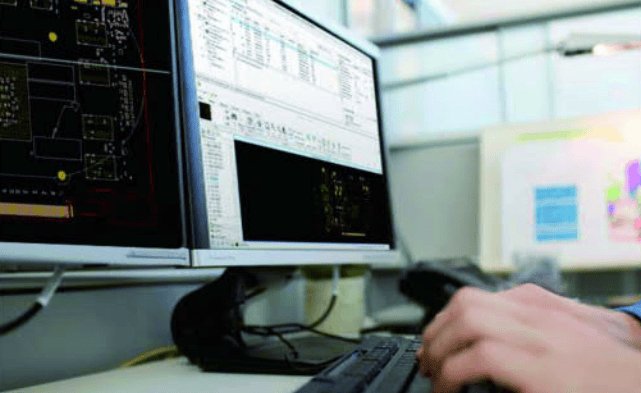
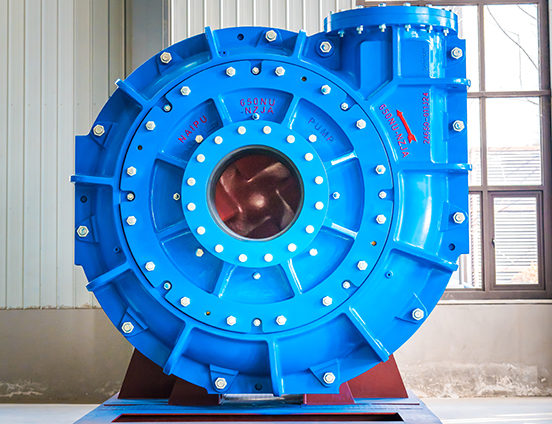
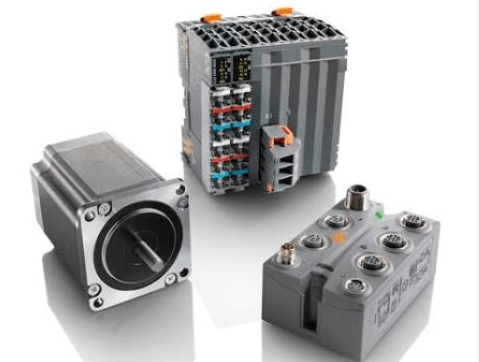
ABB combines variable frequency drives, high-efficiency motors, and digital control systems to adjust operating speeds based on the actual load of equipment such as pumps, fans, and compressors, reducing power losses caused by equipment operating under high load or low efficiency over extended periods. Through sensors, operational data, and equipment condition analysis, operators can also monitor energy consumption, identify abnormal operating conditions, and integrate equipment maintenance with production planning.
ABB and Alfa Laval collaborate through the Energy Efficiency Movement, combining ABB's variable frequency drive and digital control technologies with Alfa Laval's heat exchangers and mechanical equipment to provide system solutions covering power input, mechanical operation, and equipment maintenance. Their cooperation also involves equipment lifecycle management, operational reliability, and maintenance scheduling, reducing data fragmentation between different equipment systems.
For industrial facilities already in operation, ABB proposes a phased modular retrofit approach. Enterprises can first conduct energy efficiency assessments of motors, drive equipment, and related control systems, then implement upgrades in batches according to production conditions, avoiding losses caused by shutting down entire production lines. ABB states that some existing facilities, through targeted retrofits, can improve equipment operating efficiency and production capacity without significantly increasing grid power supply capacity, making this approach suitable for factories with limited power supply capacity but still needing to expand production.
Data centers are another category of high-energy-consumption facilities that ABB focuses on. For new data centers, the company released the Infinitus DC technology portfolio on September 21, 2026, adopting an 800 VDC power supply architecture covering power conversion, distribution, protection, and cooling optimization, supporting power delivery from the grid connection point to server racks. ABB states that this architecture can achieve over 5% energy efficiency improvement by reducing redundant AC-to-DC conversion stages. Tuomo Hoysniemi further noted in the interview that the 800 VDC solution can also reduce wiring requirements by approximately 30%, thereby lowering copper usage and simplifying power supply system layout.
In existing data centers, ABB focuses on reducing cooling electricity consumption through high-efficiency motors, variable frequency drives, and cooling system control optimization. For facilities with fixed power supply capacity, reducing the energy consumption of cooling equipment and auxiliary systems can free up more power capacity for server deployment, increasing the computing load supported per unit of power supply capacity. New projects and existing facilities therefore require different technology paths: the former can integrate DC power supply architecture at the design stage, while the latter primarily relies on equipment replacement and phased retrofits.
Related Products


Pneumatic high-pressure wear-resistant ball valve
Zhejiang Deca Control Valve Meter Co., Ltd.
Standard Nozzle Flowmeter
Jinggong Automatic Control Instrument Complete Technology Development Company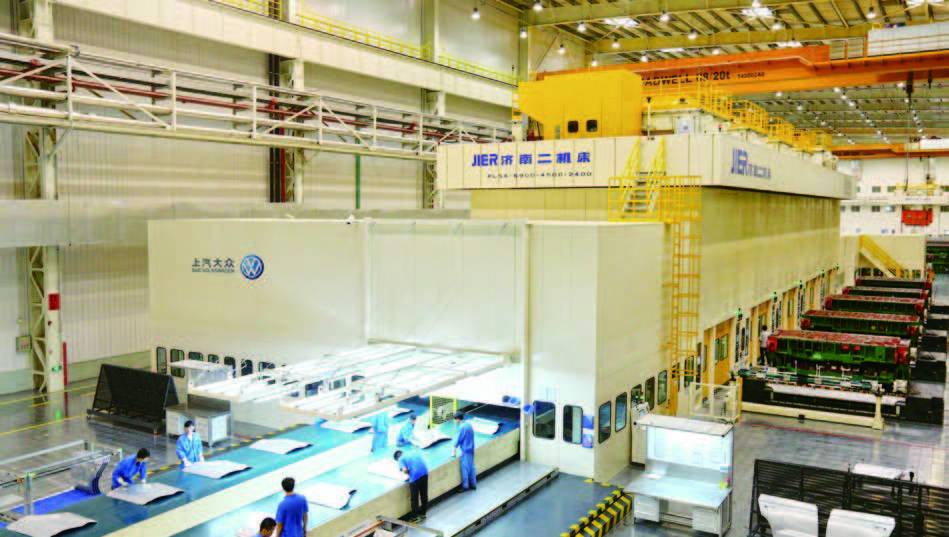
High-Speed Flexible Fully Automatic Stamping Production Line
JIER Machine-Tool Group Co., Ltd.
Tactical Individual Carrying Handcart Platform
Automation Research Institute Co., Ltd. of China South Industries Group Corporation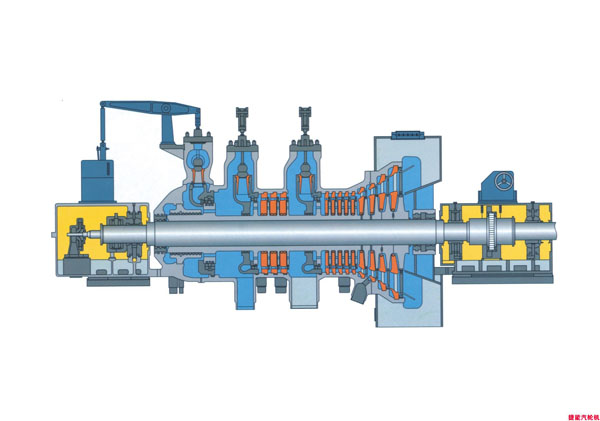
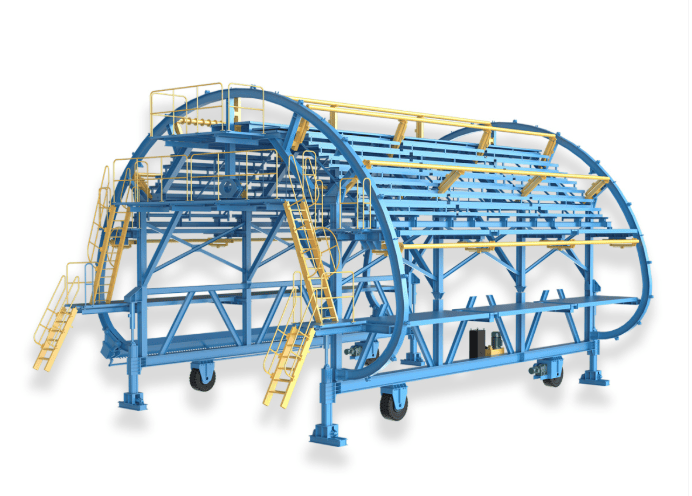
QLZNGJ Intelligent Steel Reinforcement Trolley
Luoyang China Railway Qiangli Machinery Co., Ltd.