IEA: Africa's population without electricity access falls by a record 8 million in 2025
en.Wedoany.com Reported - On November 12, the International Energy Agency (IEA) released its analysis of global progress in electricity access for 2025. The population without electricity access in sub-Saharan Africa decreased by about 8 million compared with the previous year, marking the largest annual decline since the agency began tracking electricity access data in 2000. In 2025, about 30 million people worldwide gained access to electricity for the first time, and the global population without electricity access fell by about 15 million to 720 million. Africa's accelerated progress in electricity access has become the main driver of the global decline in the population without electricity access.
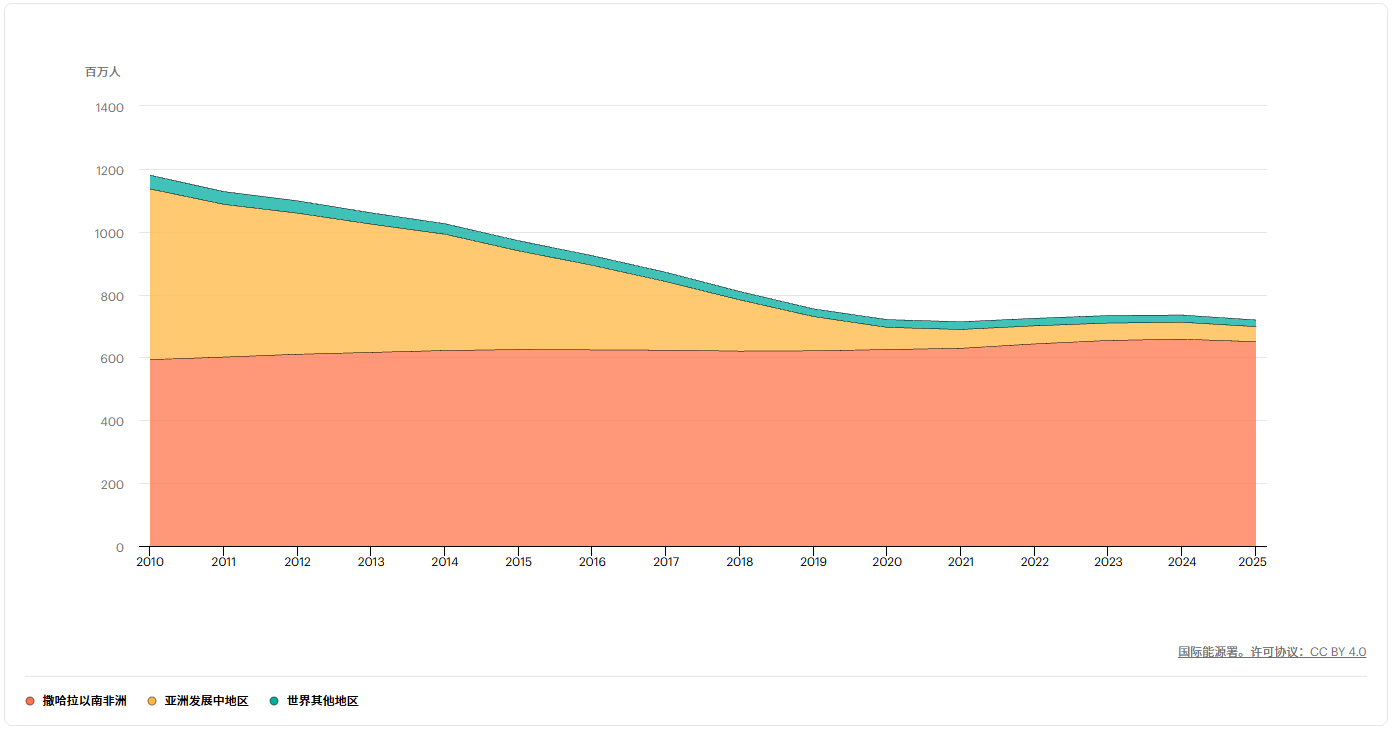
In 2025, 25 of the 50 countries in sub-Saharan Africa improved electricity access at a faster rate than their annual average from 2010 to 2019. About 5 million people in Kenya gained access to electricity, and electricity access rates in Mozambique, Senegal and Uganda each rose by more than 5 percentage points. However, in 20 countries, population growth still outpaced the number of people newly connected to electricity, causing the population without electricity access to continue rising.
Grid connections accounted for about two-thirds of the population newly gaining electricity access in sub-Saharan Africa in 2025. The number of connections reported by power utilities increased by an average of 8%, with new grid connections concentrated mainly in urban and peri-urban areas. Over the same period, stand-alone solar home systems provided electricity access to about 9 million people, surpassing the previous record of 7.5 million in 2022. New users were mainly distributed in Nigeria, Burundi, Ethiopia, Madagascar, Malawi, Tanzania, Uganda and Zambia.
New solar home systems were predominantly products of 11 to 20 peak watts, and the share of solar lighting products below 10 peak watts in total sales fell by 5 percentage points in 2025. Deployment of solar and hybrid microgrids continued to expand, with Nigeria, Kenya and Uganda advancing national-level microgrid projects. As of 2025, the installed capacity of operational solar microgrids in sub-Saharan Africa exceeded 300 megawatts.
In 2025, the World Bank invested US$960 million in electricity access through its "Mission 300" program, and related spending is expected to increase to US$2.5 billion in 2026. The International Energy Agency also observed an increase in investment in Africa's power infrastructure related to China's Belt and Road Initiative power generation and transmission projects, as well as by Middle Eastern project developers.
Data on electricity supply reliability showed mixed changes. Among the 35 African countries surveyed in both 2023 and 2025, power outages increased in 21 countries. The proportion of electrified households reporting reliable electricity supply fell by more than 33 percentage points in Zambia, Guinea, Mali and Madagascar. The share of enterprises in sub-Saharan Africa experiencing power outages rose from 74% to 79%, and about 75% of power utilities were in poor financial health.
For the first time, the International Energy Agency assessed the scale of backup generator use in sub-Saharan Africa, estimating that installed capacity of diesel and gasoline generators in the region has reached 125 gigawatts, up from 75 gigawatts in 2010. In recent years, annual sales and installed capacity of fuel generators among households and enterprises in the region have remained at about 11 gigawatts.
The International Energy Agency also introduced satellite nighttime lights data into this round of electricity access statistics, combining it with power utility connection data and household surveys to identify electrification changes in countries such as Ghana, Rwanda, Senegal and Sudan. The relevant data for 2025 are estimates, and some countries remain affected by declining frequency of household surveys and gaps in statistical materials.
Related Products

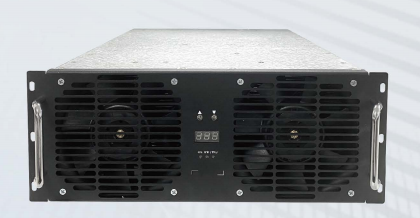
80kW Megawatt Supercharging Module TH80F10030C9
Shijiazhuang Tonhe Electronics Technologies Co., Ltd.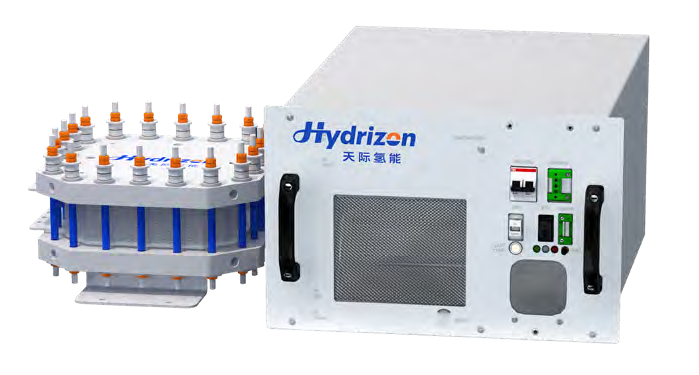
HI-Pro Green Hydrogen High-efficiency Production System-HI-PRO-AEM
Hydrizon Technology (Beijing) Co., Ltd.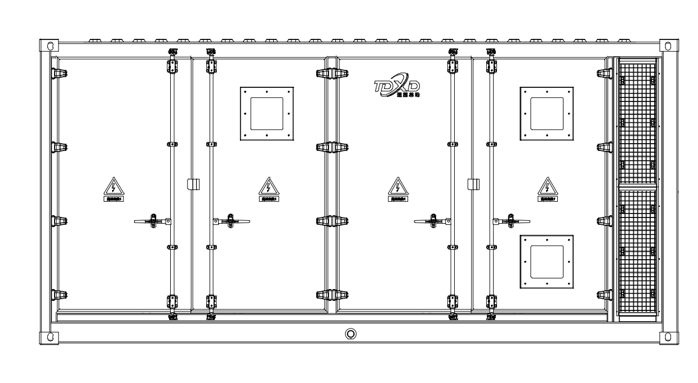
5012kWh DC Energy Storage System TD-EES-5012kWh
Suzhou Tongding Xindong Energy Storage Technology Co., Ltd.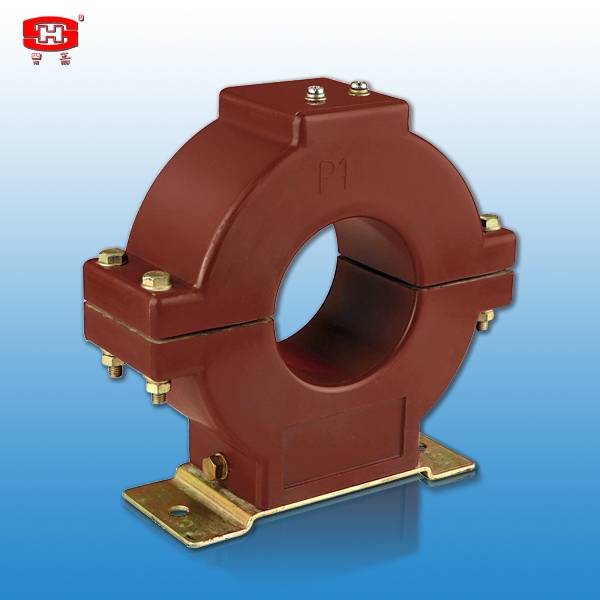
0.66kV Power Supply Instrument Transformer
Guangdong Sihui Instrument Transformer Works Co., Ltd.
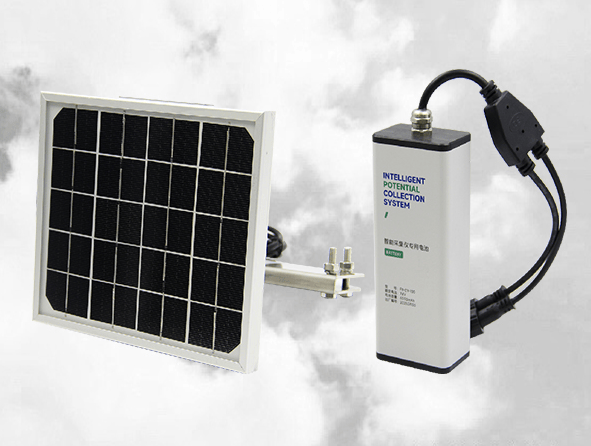
Inductive Power Harvesting Self-Powered Device - Safuneng
SELF ENERGY TECHNOLOGY (SHENZHEN) CO., LTD.
Standard Nozzle Flowmeter
Jinggong Automatic Control Instrument Complete Technology Development Company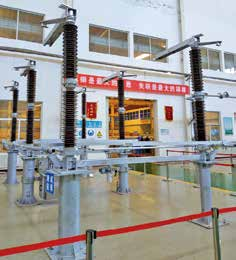
GW4-40.5/72.5/126/145/170/252/363/420 Series Double-column Horizontal Rotary High-voltage AC Disconnect Switch
SHANDONG TAIKAI DISCONNECTORS CO., LTD.