Ofgem Concludes Consultation on Self-Build Policy for Transmission Connection Works
en.Wedoany.com Reported - On 16 November, the UK energy regulator Ofgem concluded its public consultation on the policy for self-build and asset transfer of transmission connection works and entered the stage of reviewing responses. The consultation was launched on 7 October, and the deadline was extended from the originally scheduled 13 November to 16 November due to the Microsoft global service outage. The draft policy proposes to expand the scope of self-build for transmission connection works, allowing developers of large-scale demand, generation and storage projects to build their own dedicated transmission connection facilities and to transfer the assets to the transmission owner upon completion of the works. Ofgem plans to publish its policy decision in the first quarter of 2027.
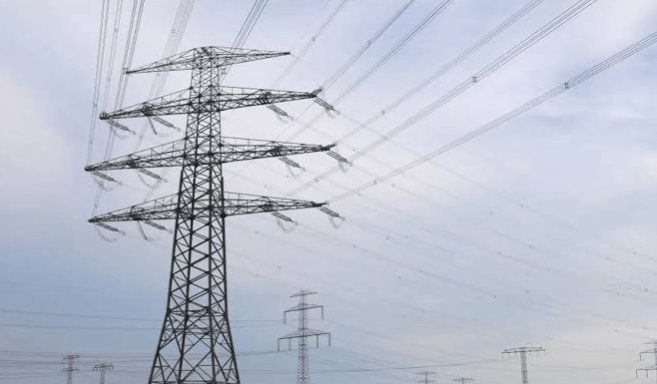
The draft proposes to remove the current self-build restriction, which mainly applies to connection works within 2 km of the existing transmission system, and to expand self-build eligibility to all dedicated connection assets between the user site and the existing transmission network, covering overhead transmission lines and project substations. Applicants must confirm at the time of signing the asset transfer agreement that the relevant facilities are dedicated assets. Strategic grid planning works and large-scale reinforcement works on the existing transmission network will continue to be the responsibility of the relevant network bodies.
The new policy proposes to require transmission owners to publish engineering technical standards and to develop a standard asset transfer agreement. After developers complete design, construction and commissioning in accordance with the relevant standards, the transmission owner will carry out acceptance and take over the assets. Ofgem also proposes a design pre-approval mechanism to simplify the review process for projects that meet pre-set engineering solutions, and to determine regulatory approval requirements based on asset category and project cost.
Asset quality liability is proposed to adopt a five-year defect notification period. Developers must bear the cost of remedying equipment defects arising from their own or their contractors' construction, as well as investment losses caused by project overspend, failure to obtain permits, and termination of the connection agreement. The transmission owner is responsible for taking over the assets once transfer conditions are met and for subsequent operation and maintenance responsibilities as stipulated in the agreement. For defects that emerge after five years and cannot be covered by insurance, Ofgem has sought views on further allocation of liability.
Project costs will be determined according to the classification of assets under the transmission charging regime. Costs for assets that are dedicated user connection assets will in principle be borne by the connection applicant; assets classified as transmission infrastructure will be subject to the applicable transmission network cost allocation and recovery rules. Ofgem is concurrently seeking views on asset valuation, transfer payments, cost overrun risk and measures to protect existing network users from costs.
Market responses previously collected by Ofgem show that 36 large-scale demand projects queuing for grid connection have expressed an intention to self-build, and a further 25 organisations support expanding the scope of self-build for transmission connection works. Industry bodies participating in the consultation suggested that some projects that do not require additional grid reinforcement could save approximately 20% of project costs through self-build and shorten the construction period by one to two years. These figures are potential benefit estimates put forward by industry participants.
Ofgem plans to compile and publish non-confidential consultation responses in January 2027 and to issue a final decision or policy statement in the first quarter. The proposed regime involves consequential modifications to the standard conditions of the transmission licence, the Connection and Use of System Code (CUSC) and the System Operator Transmission Owner Code (STC). Following formal approval of the policy, transmission owners will also be required to publish the standard asset transfer agreement and technical specifications, and to update charging documents and project implementation procedures.
Related Products

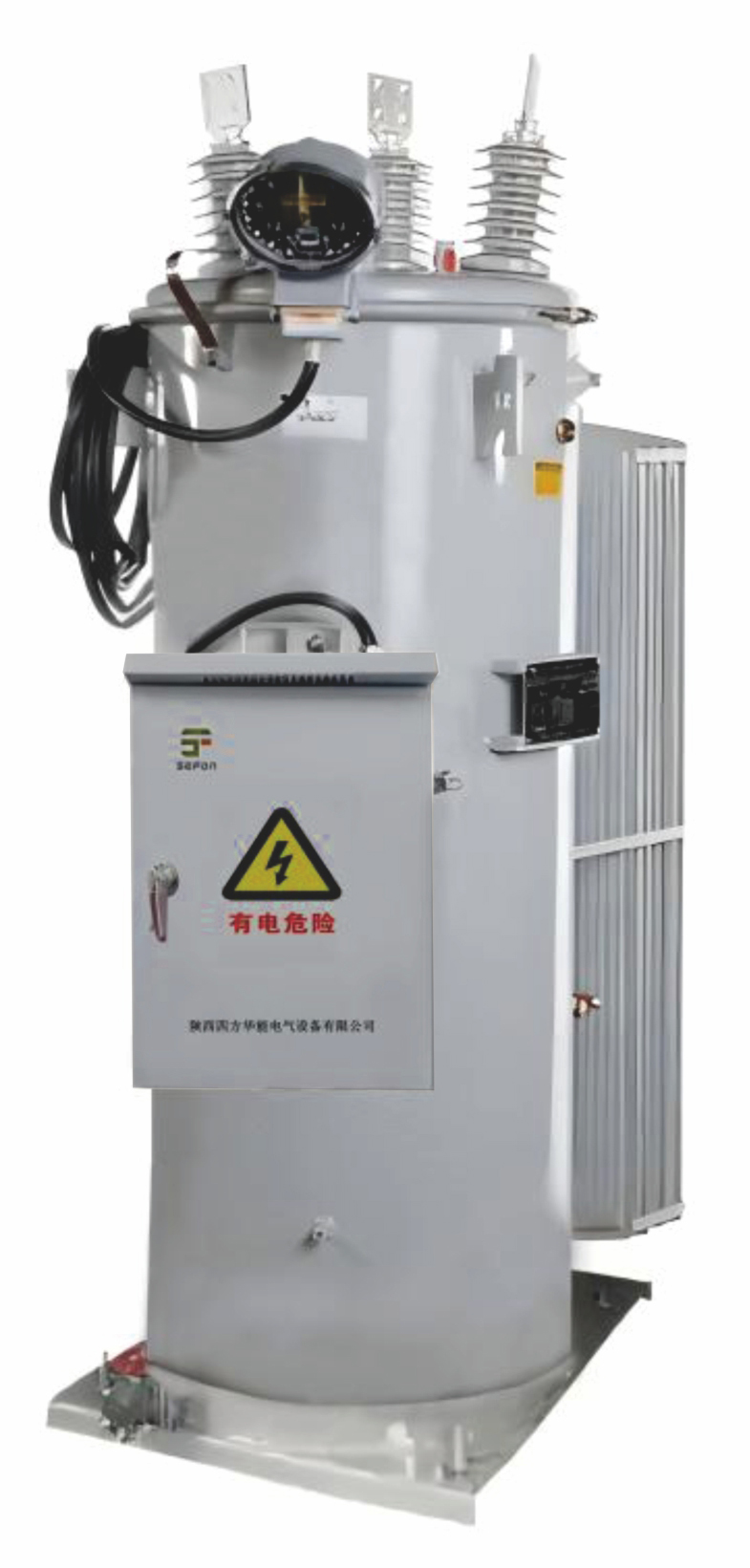
Single-Phase Automatic Voltage Regulator(AVR)
Shaanxi Sefon Electrical Equipment Co.,Ltd.
6kV-35kV Medium and High Voltage Direct-Connected Energy Storage System
Hainan Jinpan Smart Technology Co., Ltd.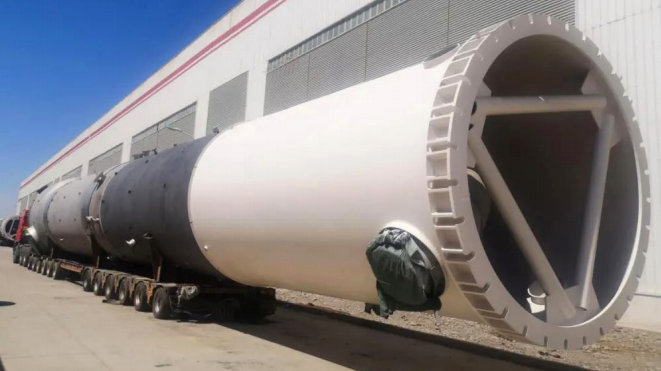
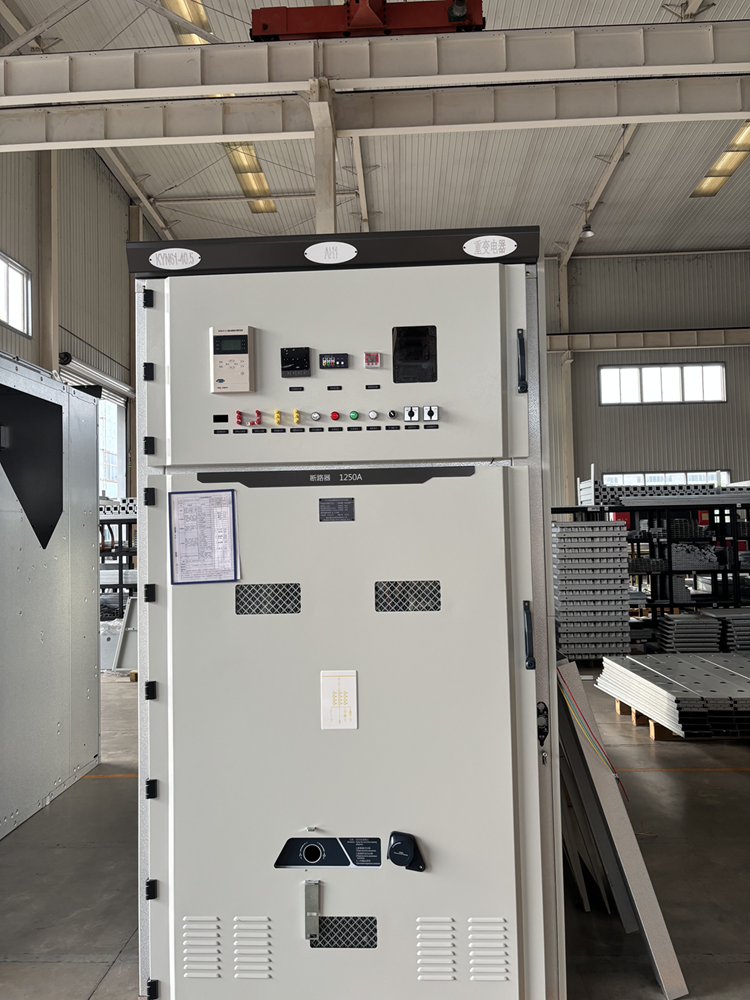
KYN61-40.5 Indoor AC Metal-clad Removable Switchgear
Chongqing Transformer Co., Ltd.
Standard Nozzle Flowmeter
Jinggong Automatic Control Instrument Complete Technology Development Company