PJM Submits New Grid Stability Rules for 50 MW-Class Data Centers
en.Wedoany.com Reported - On November 16, the U.S. regional grid operator PJM submitted new rules to the Federal Energy Regulatory Commission (FERC) on voltage and frequency ride-through capability for large computational loads, proposing to bring data centers and other large computing facilities of 50 MW and above under regulatory scope and requiring such facilities to remain connected to the grid during voltage and frequency disturbances within specified ranges on the transmission system. The new rules are proposed to take effect on January 16, 2027, and are currently under federal regulatory review.

Under the submitted rules, new large computational load facilities must demonstrate compliance with voltage and frequency ride-through requirements before interconnection and commencement of operation. Existing facilities must complete compliance adjustments within one year from the effective date of the rules or within one year from the commencement of commercial operation, whichever is later. The requirements will apply to data centers and other computing facilities that meet the scale and interconnection conditions.
PJM proposes to revise its Open Access Transmission Tariff to establish minimum voltage and frequency ride-through performance requirements for large computational loads and to incorporate specific technical standards into its grid planning manual. Transmission facility owners may establish more stringent requirements based on local network operating conditions, and the protection and control systems of relevant facilities must meet applicable interconnection operating standards.
This rule revision addresses the operational behavior of data centers automatically switching to on-site generation equipment during transmission faults. On July 22, 2026, a routine transmission disturbance in northern Virginia caused approximately 3,900 MW of data center load to unexpectedly transfer from the public grid to on-site generation equipment, resulting in changes to system voltage, frequency, and power flows. PJM has incorporated this event into the basis for developing the new rules.
PJM currently has approximately 10 GW of large computational load in its service territory and expects up to an additional 30 GW by 2030. In addition to the ride-through requirements submitted in this filing, PJM will continue to develop ramp-rate requirements for large computational loads and will further refine the relevant performance standards based on operational data and technical studies.
Related Products
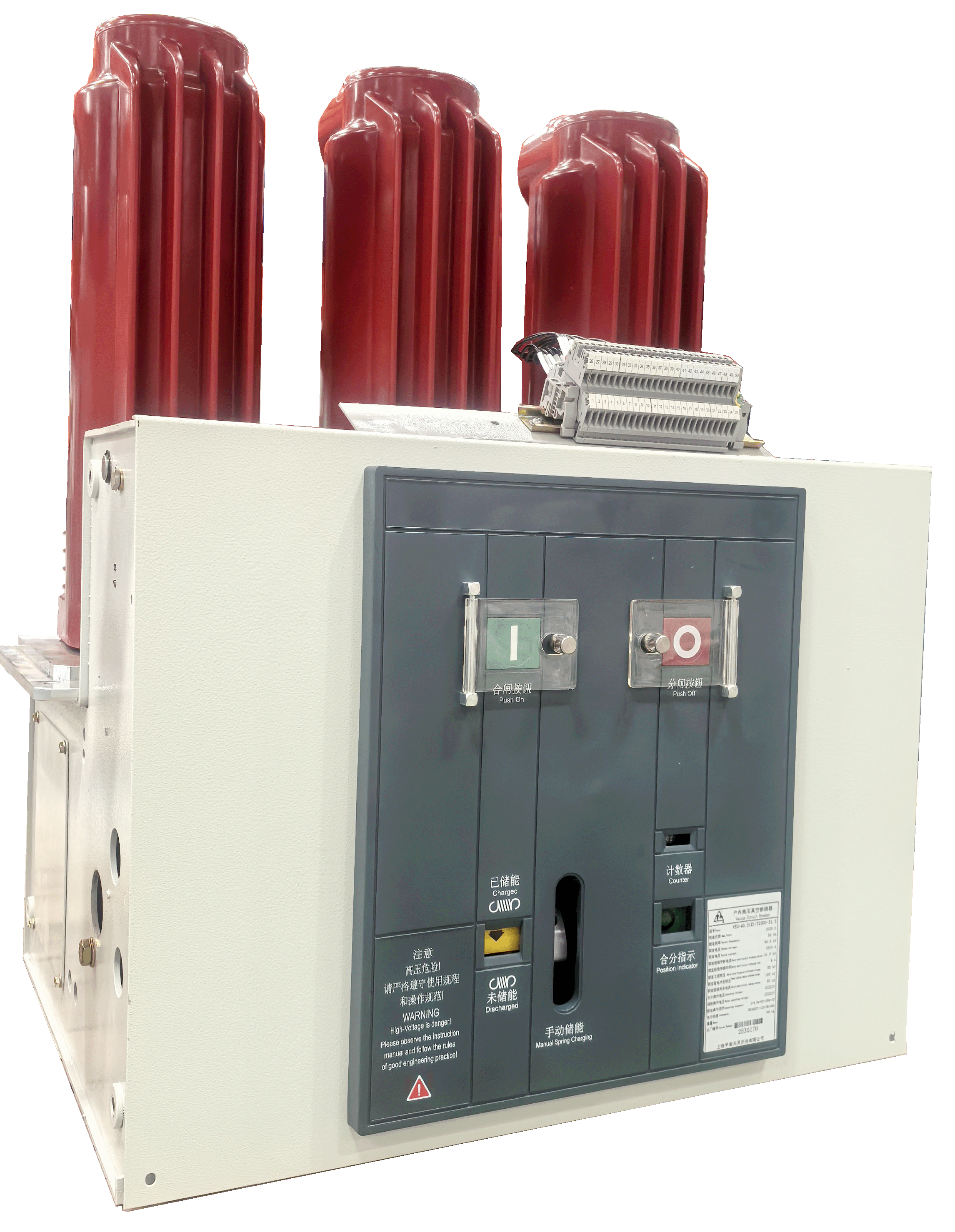

VEG-12/24/40.5 Series Vacuum Circuit Breaker
SHANGHAI PINGGAO TIANLING SWITCHGEAR CO., LTD.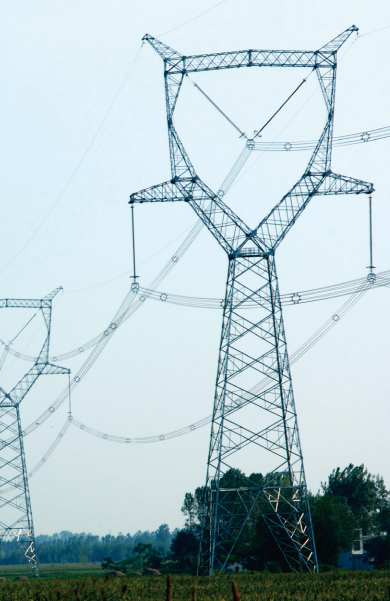
1000kV Jin Southeast-Nanyang-Jingmen UHV AC Transmission and Transformation Pilot Demonstration Project
Anhui Hongyuan Steel Tower Co., Ltd.

Modular Multifunctional Water Supply and Drainage Vehicle (18T)
Changsha Dewater Machinery Technology Co., Ltd.
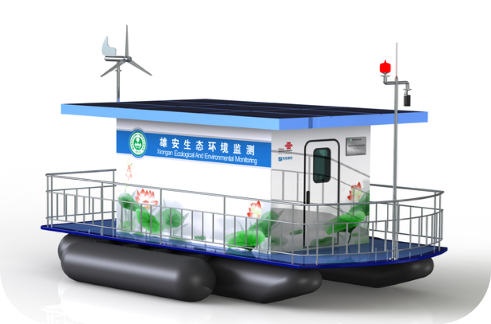
Floating Boat Water Quality Automatic Monitoring System
Hebei Sailhero Environmental Protection High-tech Co., Ltd.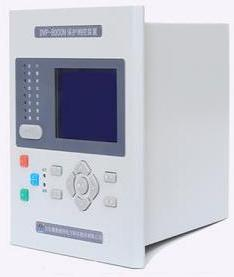
Microcomputer Protection and Substation Automation
Beijing Agent Devote Power Technology Development Co., Ltd.
YB □ -12/0.4/1250 Outdoor Prefabricated Substation (European Style)
Shangrao Shangyu Intelligent Electric Co., Ltd.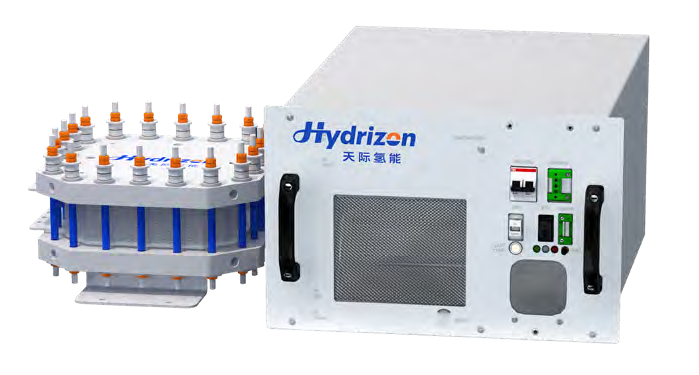
HI-Pro Green Hydrogen High-efficiency Production System-HI-PRO-AEM
Hydrizon Technology (Beijing) Co., Ltd.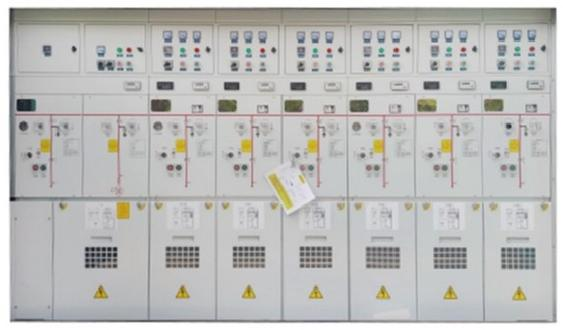
NISELA Series Environmentally Friendly Gas-Insulated Ring Main Unit
XJ DELISHIER ELECTRIC CO., LTD.
High-voltage Direct Current (HVDC) Transmission System Research and Integrated Design
XI'AN XD POWER SYSTEMS CO., LTD.