Temporary office facilities for UK Parliament restoration project delayed until 2042
en.Wedoany.com Reported - On November 17, the latest status update submitted by the Clerks of both Houses of the UK Parliament to the Public Accounts Committee showed that the Restoration and Renewal Programme for the Palace of Westminster may incur additional costs exceeding £479 million (approximately RMB 4.46 billion) because Parliament has yet to debate the overall construction plan. If the relevant debate is postponed until December 2026, the additional costs are estimated at £223 million to £288 million (approximately RMB 2.07 billion to 2.68 billion); if postponed until early or mid-2027, the additional costs will exceed £479 million. The above amounts include ongoing maintenance expenditure and the inflation impact on the entire project construction costs.
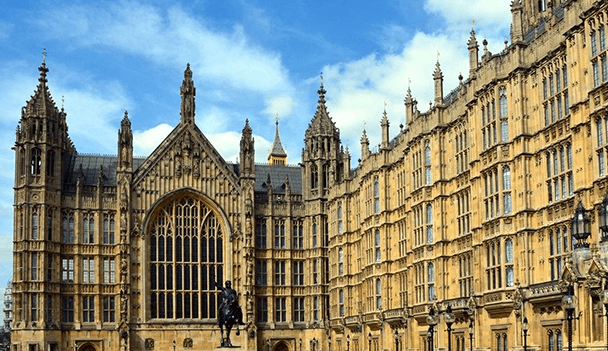
This restoration plan targets the Palace of Westminster, the seat of the UK Parliament. The building is a Grade I listed historic building and also lies within a UNESCO World Heritage Site. Its existing mechanical and electrical systems are aging, and there are fire safety hazards and asbestos issues, requiring large-scale restoration. As Parliament continues to use the building, project implementation requires coordinated arrangements for parliamentary proceedings, staff offices, temporary premises, building conservation, and construction organization.
Currently, the project is mainly considering two implementation options. The first is the full decant option, in which both Houses vacate the Palace of Westminster during the main construction period, with an estimated implementation period of 19 to 24 years and a total project cost estimated at £11.1 billion to £15.6 billion. The second is the enhanced maintenance and improvement option, which involves organizing construction by zone and arranging phased relocation of some parliamentary bodies, with an estimated implementation period of 38 to 61 years and a cost estimated at £19.5 billion to £39.2 billion. Parliament needs to first decide on the option for further detailed study before determining the final implementation path.
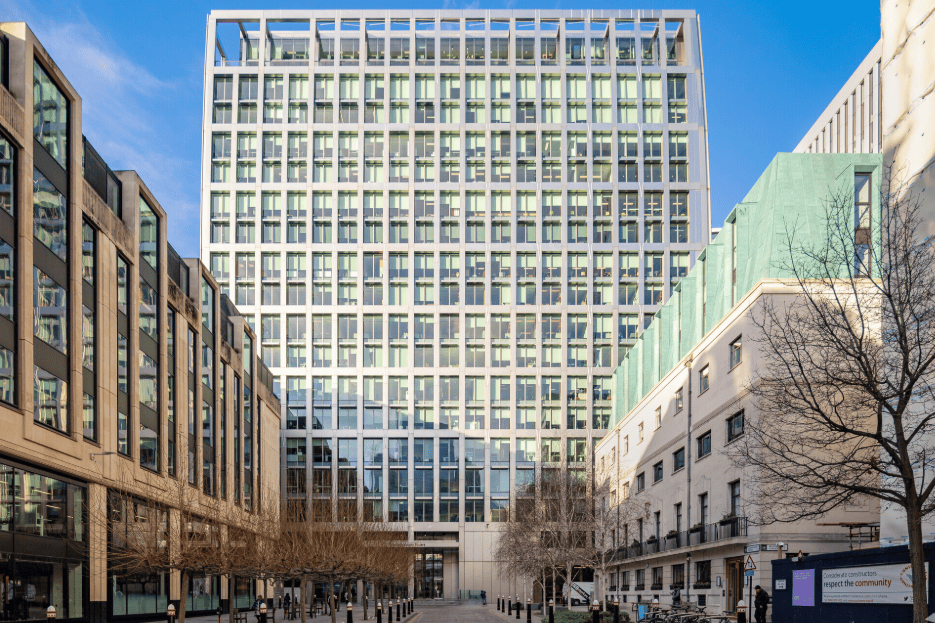
The Parliamentary Buildings and Infrastructure Programme (CBIP), responsible for providing temporary office and debating facilities for the House of Commons, has seen its cost forecast raised from the original £2.2 billion to £2.4 billion, including inflation factors; the planned completion date has been delayed from 2039 to 2042. This programme involves the renovation of the Northern Estate buildings of Parliament, among which Richmond House and adjacent buildings are an important part of the temporary relocation arrangements for the House of Commons. Adjustments to the construction logistics plan have extended the relevant works schedule by approximately 4 years.
According to analysis by the restoration project delivery body, the inability of the Northern Estate temporary office facilities to provide premises as originally planned may extend the overall completion time of the full decant option by approximately 5 to 7 years, possibly delaying it until 2050 at the latest. The Clerks of both Houses estimate that, without effective schedule remediation measures, the CBIP delay may add £350 million to £800 million to the full decant option, and this range has not yet accounted for inflation impact.
In addition to temporary office premises, the relocation arrangements for the House of Lords also need to be advanced. At this stage, the plan is to use the Queen Elizabeth II Centre (QE2 Centre) as temporary office premises, with internal renovation costs estimated at approximately £417 million. Subsequent work includes site handover, interior design, facility configuration, and procurement. As the conference centre is still hosting events, its delivery time is directly related to Parliament's final decision.
Before the main restoration works formally commence in full, Parliament also needs to approve the first-phase preparatory works. This phase is planned to last 7 years, with a budget ceiling of £3 billion, mainly covering temporary office premises preparation, construction site establishment, early-stage restoration, and design procurement. Cost estimates for works including riverbank safety facilities, isolation and relocation of the Palace's mechanical, electrical, and piping systems, and restoration of the medieval cloisters have not yet been completed.
Related Products


Acoustic Mineral Fiber Ceiling Tile 595x595x12mm
Shanxi Pano Trading Co., Ltd
Ultra-pure Ferritic Stainless Steel Products
Gansu JISCO Group Hongxing Iron and Steel Co., Ltd.


Pure Polyurethane Wall Panel BD-AEF-PIR-01
Baodu International Engineering Technology Co., Ltd.
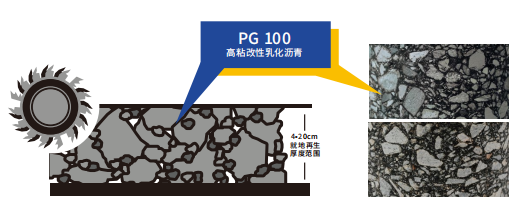
High-toughness in-Situ Cold Recycling Technology for Original Structural Layers
Central Fortune Creation Technology Group Co., Ltd.