US-based Sophia Space Deploys In-Orbit Computing Operating System on Two Satellites
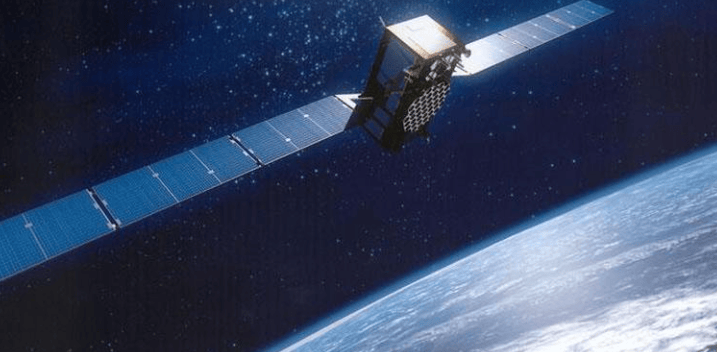
en.Wedoany.com Reported - On November 19, US space computing technology company Sophia Space completed the first in-orbit deployment of its self-developed Sophia Orbital Operating System (SOOS), running a distributed operating system on two low-Earth-orbit satellites operated by Canada's Kepler Communications. The deployment leveraged the existing computing hardware and inter-satellite laser communication network of Kepler's first batch of optical data relay constellation satellites, successfully validating the operating system's distributed operation capability across satellites and across graphics processing units (GPUs).
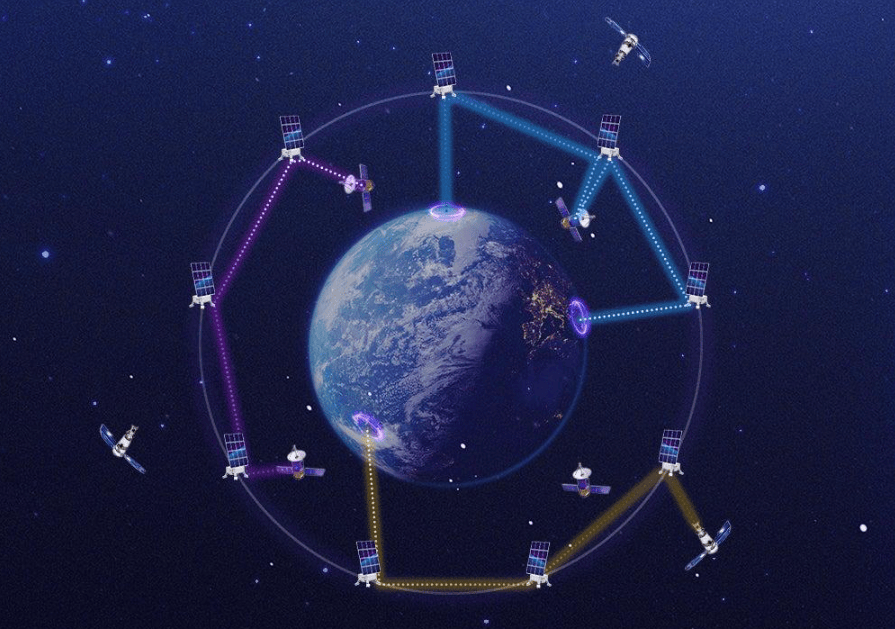
The deployment was carried out via in-orbit software updates, requiring no launch of new computing hardware. Each of Kepler's satellites participating in the test was equipped with 4 NVIDIA Jetson Orin computing modules. Sophia Space first uploaded SOOS to a single processor on one satellite, then extended the software to the satellite's other processors, and deployed it to the second satellite via the inter-satellite optical communication link. Ultimately, SOOS ran on a total of 6 processors across the two satellites.
SOOS employs a managed Kubernetes architecture, responsible for application deployment, task scheduling, and operational management across computing nodes. The system integrates triple redundancy and security features, supporting fault isolation, operational status monitoring, and distributed task management of satellite computing resources. In this in-orbit demonstration, the two parties validated the functionality of the cross-satellite distributed operating system, as well as the coordinated operation of multi-GPU computing resources within the orbital communication network.
Sophia Space and Kepler Communications signed a commercial cooperation agreement in April 2026, stipulating the deployment of space-application-oriented software on Kepler's in-orbit satellites and the conduct of distributed edge computing tests based on NVIDIA computing modules. Kepler's first batch of 10 optical relay satellites was launched in January 2026, providing the in-orbit platform and inter-satellite optical communication links for this software deployment.
Sophia Space subsequently plans to expand SOOS's distributed computing management capabilities, conduct more complex cross-satellite computing tasks, and gradually integrate its self-developed TILE modular computing hardware. SOOS is responsible for software-level computing resource management, while TILE adopts a passive cooling architecture, providing the hardware foundation for future dedicated orbital computing platforms.
Related Products
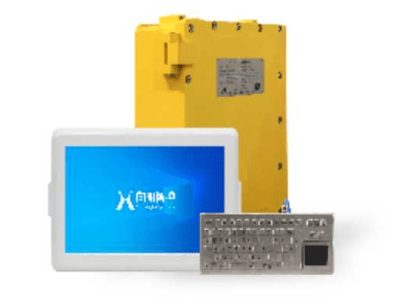

KJD127(A) Mining Explosion-Proof and Intrinsically Safe Computer
Taiyuan Xiangming Intelligent Control Technology Co., Ltd.

GYTA Type Non-Self-Supporting Aerial/Duct Optical Cable
TONGDING INTERCONNECTION INFORMATION CO., LTD.
Hot Selling 10 Inch Intel N5100 I5 I7 FHD 8 +128GB 16+256GB Win10 Pro Win11 Pro 4G 5G Rugged Tablet PC Pad with NFC Barcode
Highton Electronics Co., Ltd.
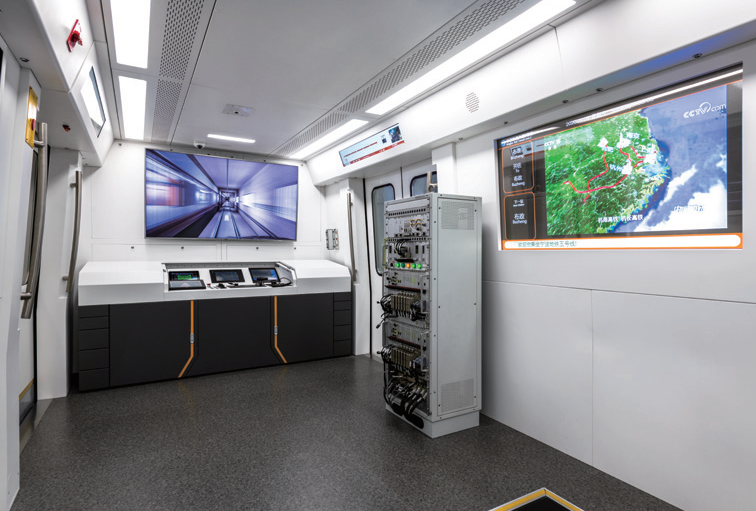
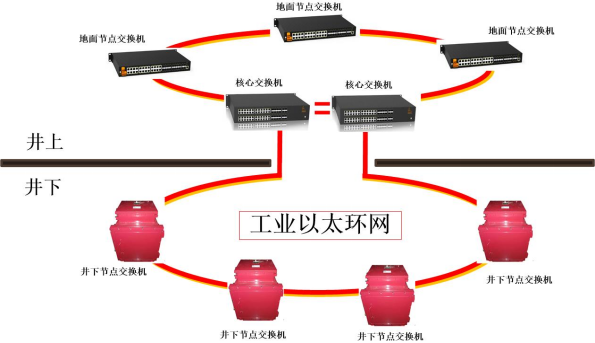
Mine Explosion-proof and Intrinsically Safe Industrial Ethernet Ring Network (10 Gigabit/Gigabit)
Chongqing Mas Sci&Tech Co., Ltd.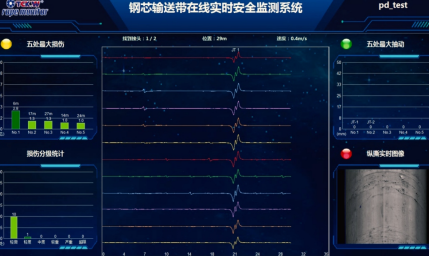
Conveyor Belt Intelligent Monitoring System
LUO YANG WIRE ROPE INSPECTION TECHNOLOGY CO., LTD.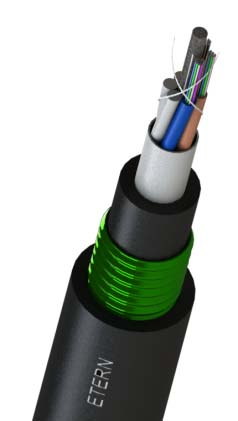
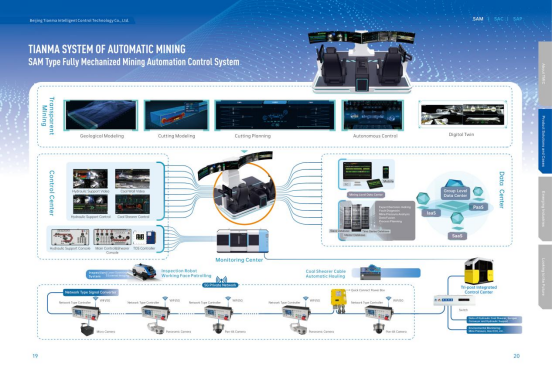
Comprehensive Mining Automation Control System
Beijing Tianma Intelligent Control Technology Co., Ltd.
Automatic Aiming Laser Remote Obstacle Removal Robot
Pinggao Group Weihai High-Voltage Apparatus Co., Ltd.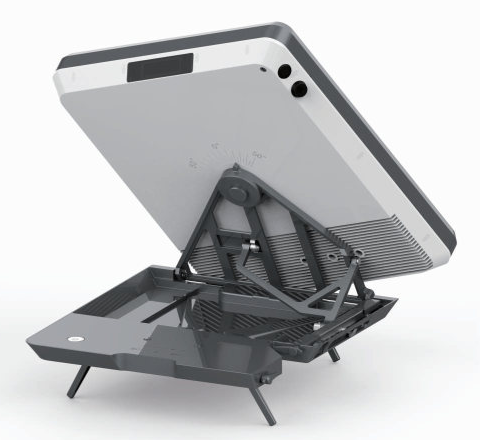
Flat Portable Satellite Terminal 0.35m Aperture Manual Portable Terminal
China Starwin Science & Technology Co., Ltd.