China's Space Pioneer One Suborbital Crewed Spacecraft Completes Static Structural Verification of Escape Cabin
en.Wedoany.com Reported - On November 24, Beijing Space Pioneer Manned Space Technology Co., Ltd. announced that the escape cabin of the Space Pioneer One (CYZ1) suborbital crewed spacecraft has completed static testing and passed ultimate load assessment. The test focused on the primary load-bearing structure of the escape cabin, simulating the thrust, bending moment, shear force, and forced displacement loads experienced during escape flight, with graded loading up to design load and completion of ultimate loading. Test results showed that under ultimate assessment load conditions, the cabin structure's strength, stiffness, and stability met design requirements, and the load-bearing conditions and deformation of key load-transfer locations remained within allowable ranges.
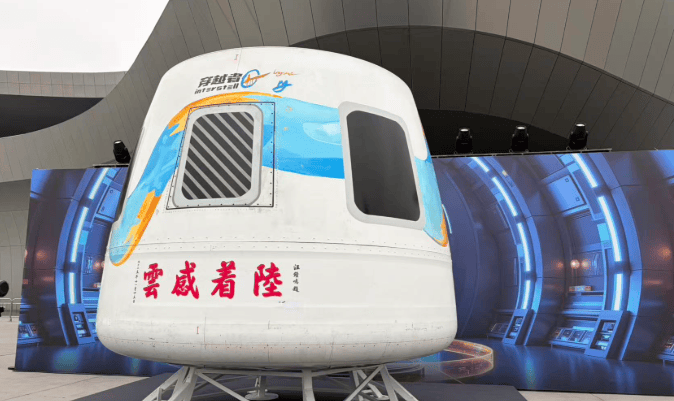
This test focused on verifying the escape cabin's structural load-bearing capacity under high-load conditions. In the event of a launch anomaly, the escape system must rapidly propel the crew cabin away from the launch vehicle via an independent power device, and the loads generated by the escape propulsion are transmitted through the engine mounting structure and cabin load-bearing components. Since thrust application may also be accompanied by bending, shear, and multi-directional loads, the escape cabin must not only possess sufficient structural strength but also control overall deformation to prevent local instability at critical connection points.
Space Pioneer One adopts a pusher-type self-escape configuration, differing from traditional crewed spacecraft that rely on a top-mounted escape tower to pull the return capsule away from the rocket. Previously disclosed structural designs show that its escape cabin employs a topological load-transfer structure composed of a central engine retaining ring and multi-directional support rod systems, distributing the loads generated by escape propulsion through structural connections in different directions. This design requires verification of the load transfer capability among the engine thrust input location, support structure, and cabin main body. This static test simulated load combinations in different directions, conducting graded assessment of the load-bearing structure to provide test basis for subsequent structural safety analysis of the escape system under operating conditions.
This represents new progress in the structural verification work of the Space Pioneer One escape cabin. In late October 2026, Space Pioneer completed modal testing of the escape ground test cabin, collecting structural vibration responses through more than 100 measurement points, obtaining dynamic parameters such as natural frequencies, mode shapes, and damping ratios, and using test results to calibrate the finite element model. Unlike modal testing, which focuses on identifying structural vibration characteristics, this static test primarily assesses the structure's strength, stiffness, and stability under specified loads. The two tests complement each other in verifying the escape cabin structure from the dimensions of dynamic characteristics and static load-bearing capacity, respectively.
According to the product plan published by the company, Space Pioneer One is a reusable suborbital crewed spacecraft designed to carry no more than 7 passengers, with a spacecraft weight not exceeding 8 tons, a maximum diameter not exceeding 5 meters, an internal cabin space of approximately 25 cubic meters, and a single flight experience duration expected to be 20 to 30 minutes. The company plans to strive to conduct its suborbital maiden flight around 2028 and is currently still in the engineering development and ground test verification phase.
Related Products

Wheel and Track Technology Business
Beijing Research & Design Institute of Rubber Industry Co., Ltd.
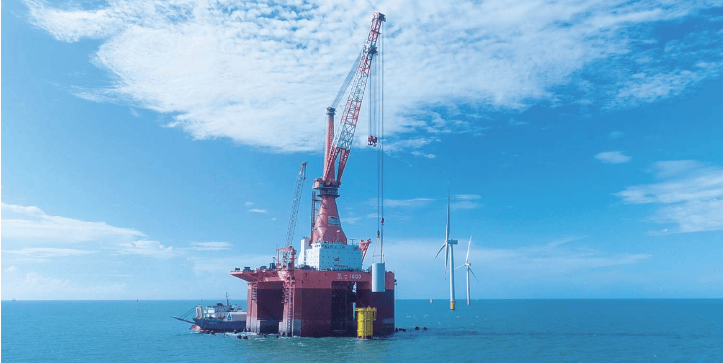
"Shunyi 1600" Deep-submerging Bottom-sitting Multi-functional Wind Power Engineering Vessel
Zhengli Offshore Engineering Co., Ltd.
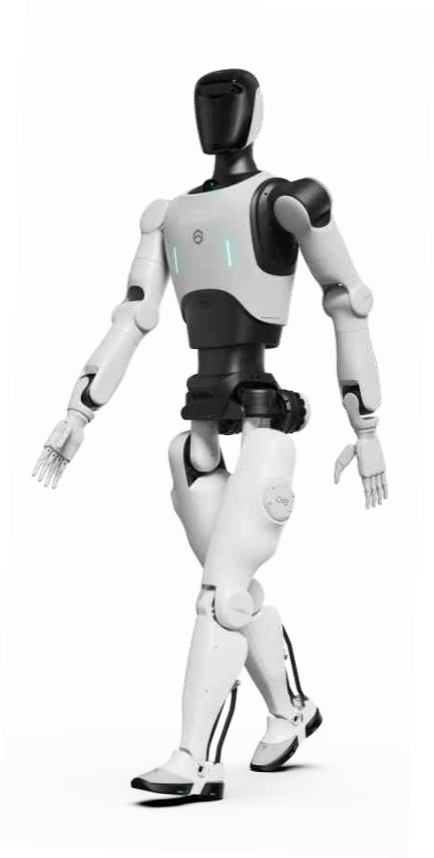
D12 Humanoid Robot
Automation Research Institute Co., Ltd. of China South Industries Group Corporation