Suez Canal Route Resumption Causes Container Shipping Delays from Asia to the UK
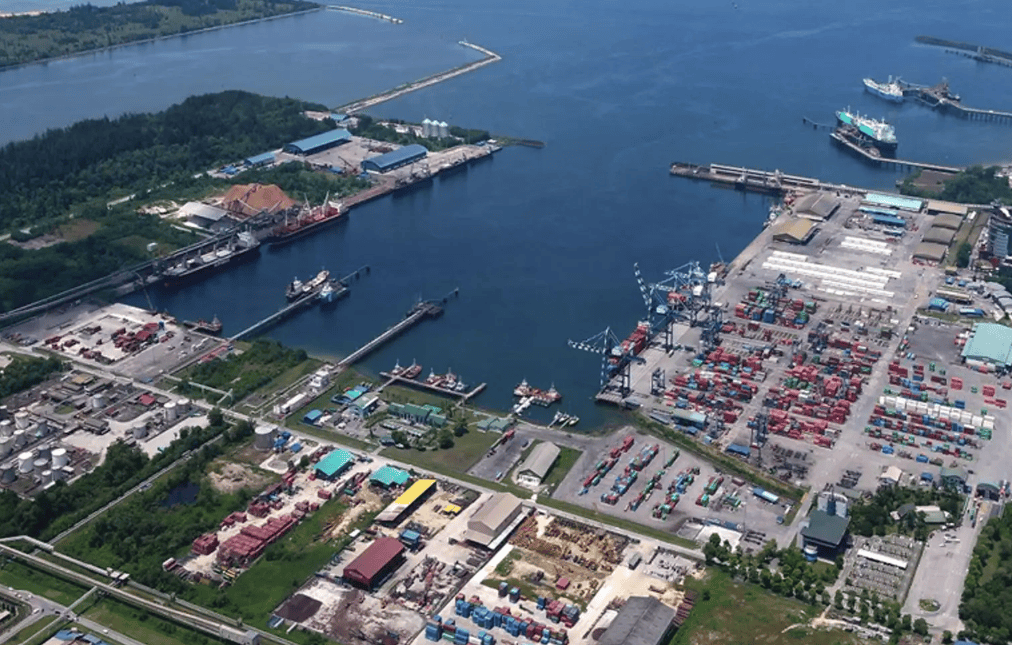
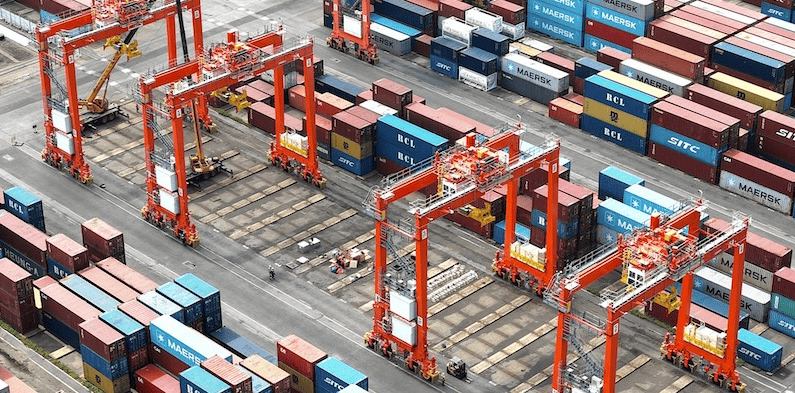
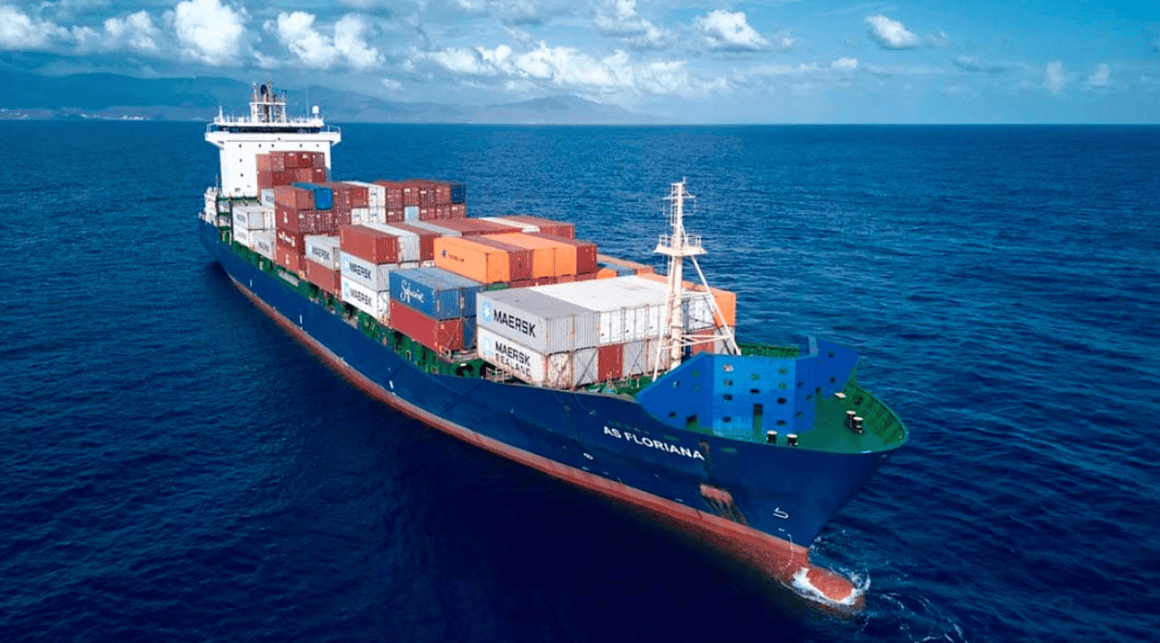
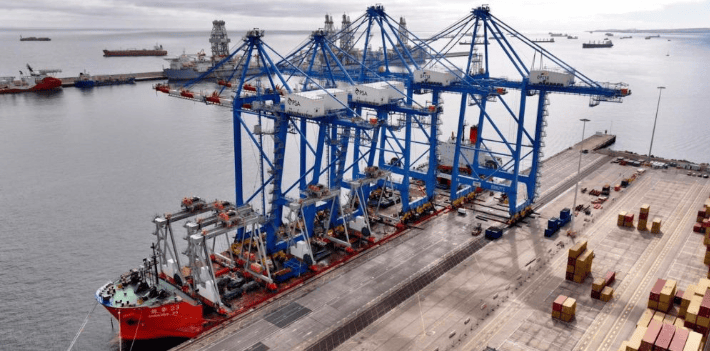
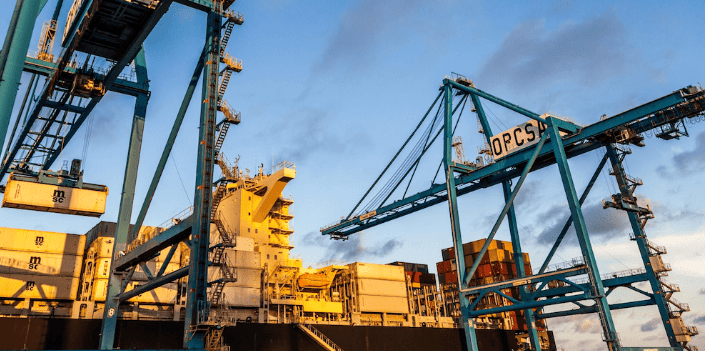
en.Wedoany.com Reported - On November 26, UK freight forwarder Davies Turner stated that as more container shipping companies resume voyages through the Suez Canal, vessel arrival times at major European ports have become concentrated, causing delays for some container cargo from Asia to the UK. Some containers originally destined for the UK have been discharged early by carriers at European hub ports and still need to be transshipped to their originally booked destination ports via feeder vessels. European port congestion and tight UK inland transport capacity have further increased uncertainty in cargo delivery.
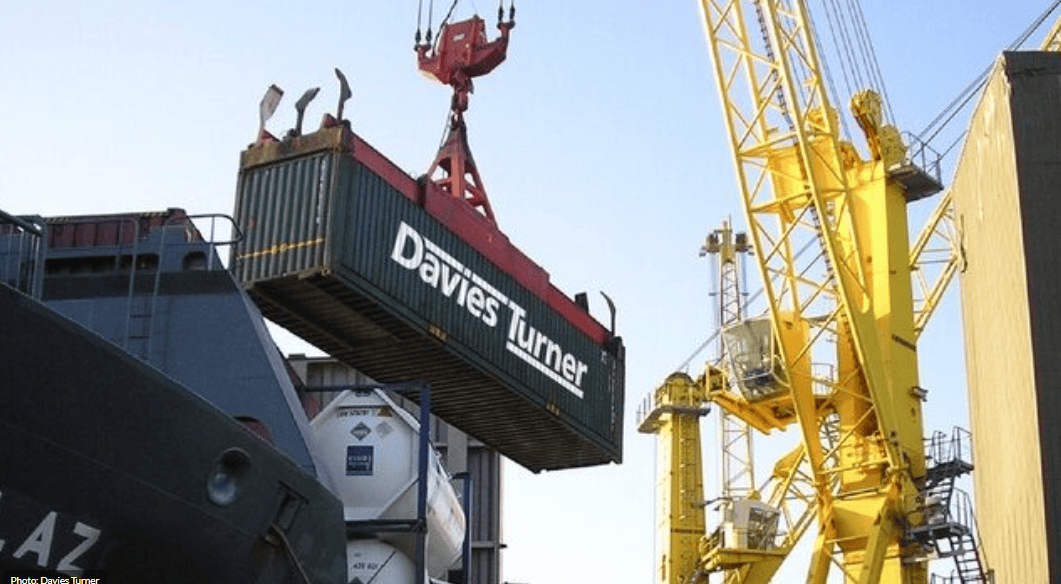
Tony Cole, Head of Ocean Freight at Davies Turner, said that some shipping companies have discharged containers originally destined for the UK at European hub ports rather than at their originally booked UK destination ports. In response, carriers have committed to developing cargo recovery plans, arranging for affected containers to continue transshipment to the UK ports specified in the bills of lading, and bearing the relevant port charges incurred by the unscheduled discharge.
However, subsequent transshipment timing depends on vessel capacity and the extent of port congestion, and some containers may require more than one vessel transfer before reaching the UK. For importers, even if carriers have formulated recovery plans, the actual arrival time remains uncertain.
Regarding some importers considering directly collecting cargo at European hub ports, Davies Turner recommends exercising caution when processing a Change of Destination (COD). This operation allows cargo owners to adjust the container delivery location from the originally booked UK port to the European port where the cargo was actually discharged, but carriers may charge relatively high COD fees and recalculate the original freight rates at current market levels.
In addition, cargo owners also need to consider local European customs declaration and clearance requirements, advance payment of all release charges, and the condition that empty containers must be returned to designated ports in continental Europe. If additional container detention fees, demurrage charges, and terminal storage fees are incurred, the overall cost of direct pickup may further increase. Davies Turner believes that importers should first compare the actual costs and delivery times of the two options—changing the destination port versus waiting for the carrier to resume transshipment—to avoid unnecessary expenses arising from early cargo collection.
Shipping delays are also propagating to the UK domestic road logistics chain. Containers transshipped through European hub ports rely on feeder vessels to complete the UK leg of transport, and temporary adjustments to feeder vessel loading schedules make cargo arrival times harder to predict, making it difficult for road transport companies to accurately arrange container pickup and inland distribution.
Meanwhile, some European ports are refusing to accept empty container returns due to congestion, causing containers to remain on truck chassis for extended periods and occupying chassis and transport equipment resources. Importers accelerating container pickup to reduce empty container return fees has further increased UK road transport demand. The risk of additional expenses such as port storage fees, container detention fees, and demurrage charges has consequently risen.
Related Products
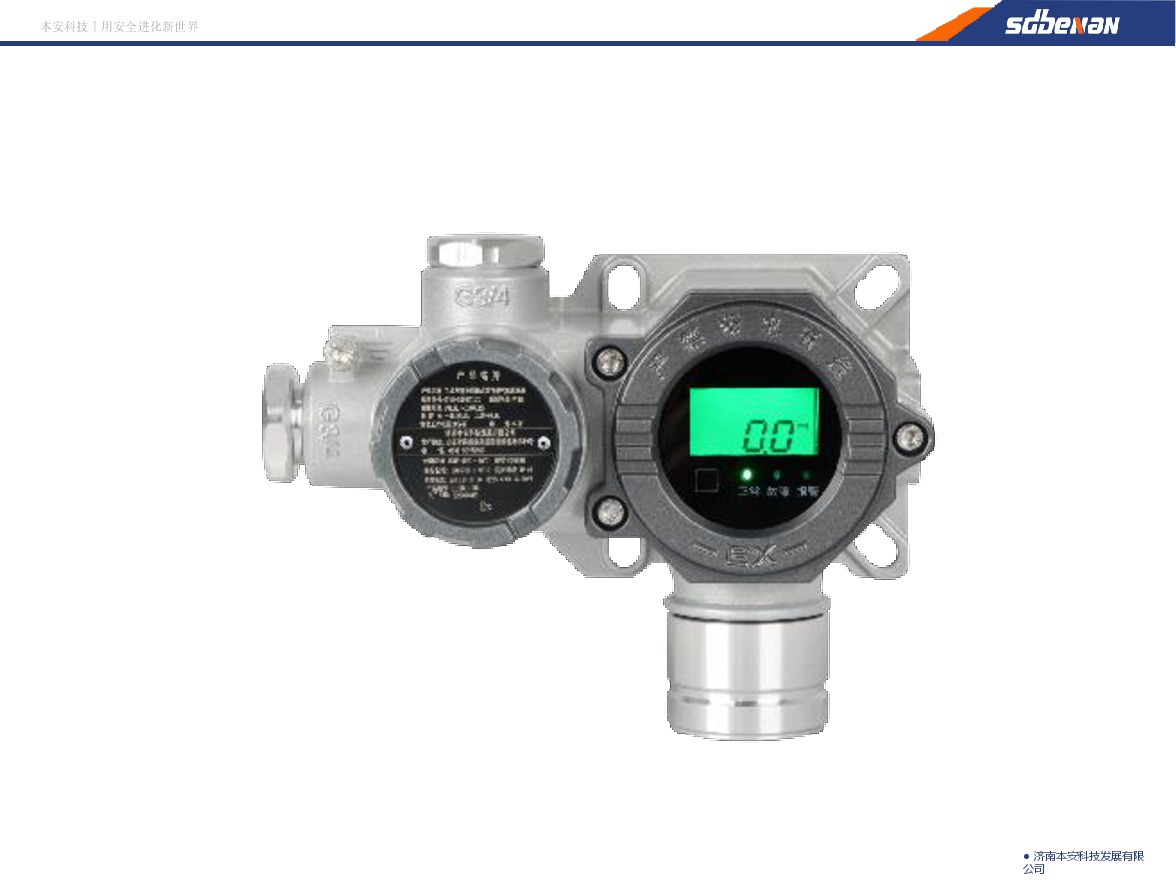

Industrial and Commercial Point-Type Gas Detector
Jinan Benan Technology Development Co., Ltd.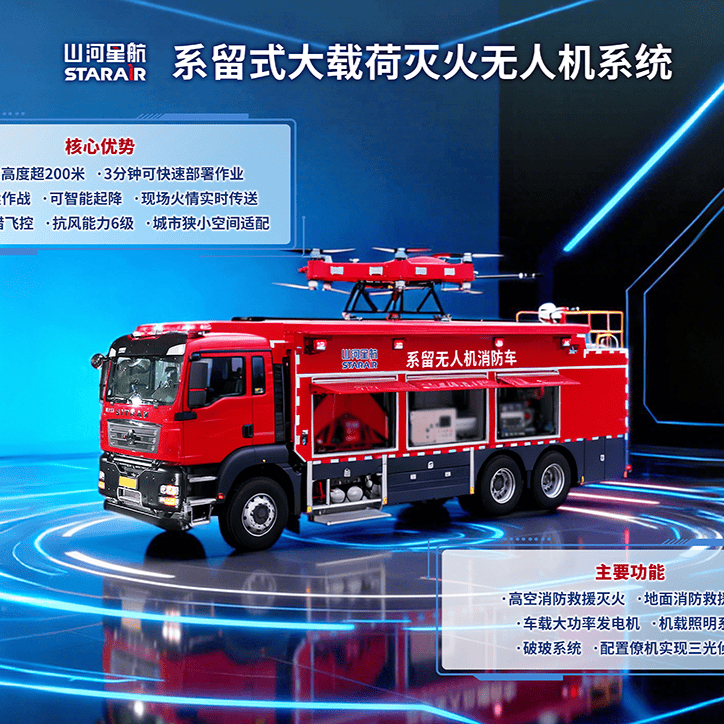
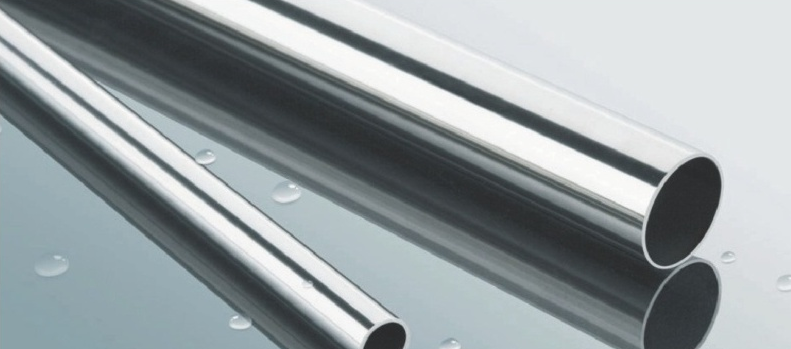
ERW Welded Pipe (Black Pipe and Hot-dip Galvanized Steel Pipe)
Handan Zhengda Steel Pipe Co., Ltd.
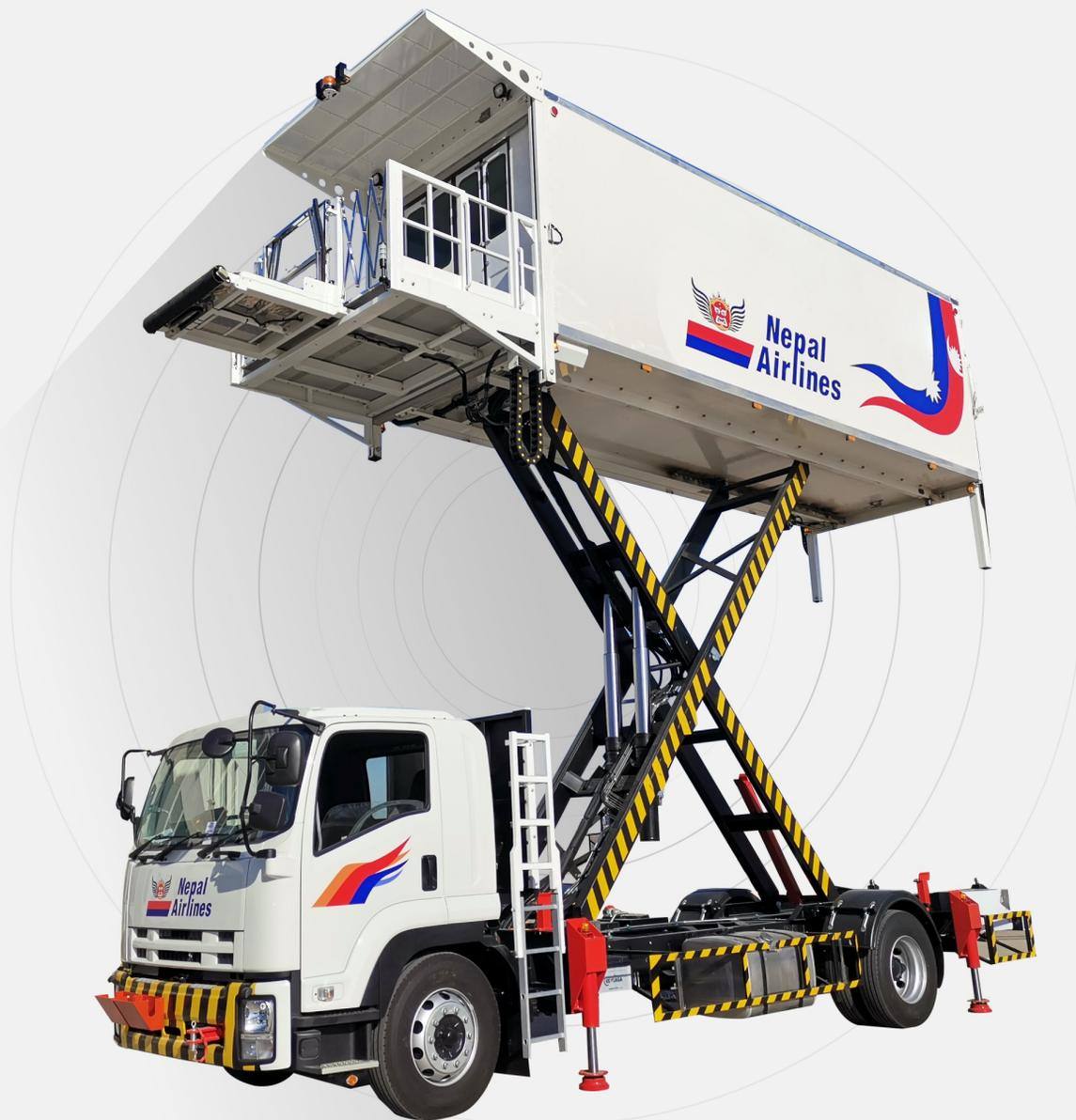
XC-6000e Type Aviation Catering Truck (Fuel Type)
Shenzhen CIMC-TianDa Airport Support Ltd.
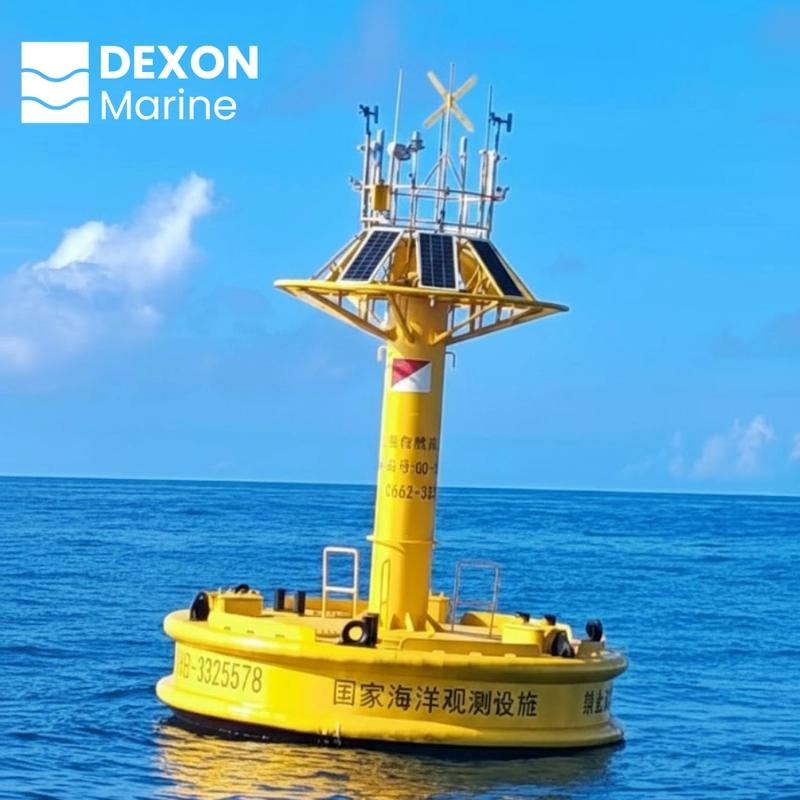
3m intelligent buoy combining navigation safety and real-time marine monitoring integrated navigation and marine monitoring system for real-time maritime data
Chengdu Dixin Technology Co., Ltd.