Wedoany.com Report-Aug. 14, A study by Rajasthan Technical University Kota researchers demonstrates that adjusting solar panel tilt angles seasonally can significantly increase the energy output of photovoltaic (PV) systems in Rajasthan, India. Using MATLAB simulations, the team analyzed solar irradiance data from four cities—Kota, Barmer, Jodhpur, and Jaisalmer—to determine optimal monthly tilt angles.
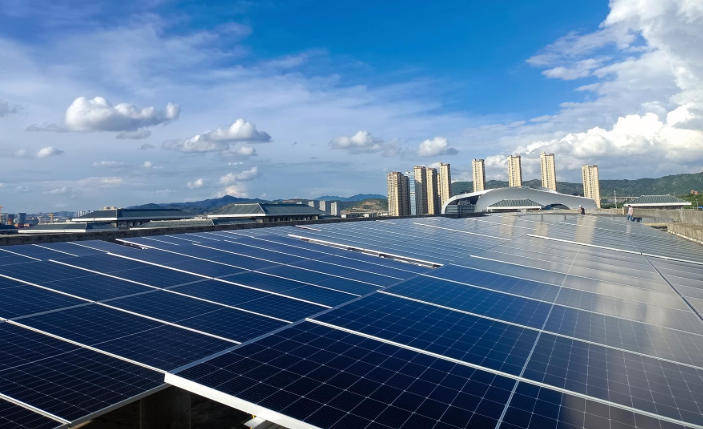
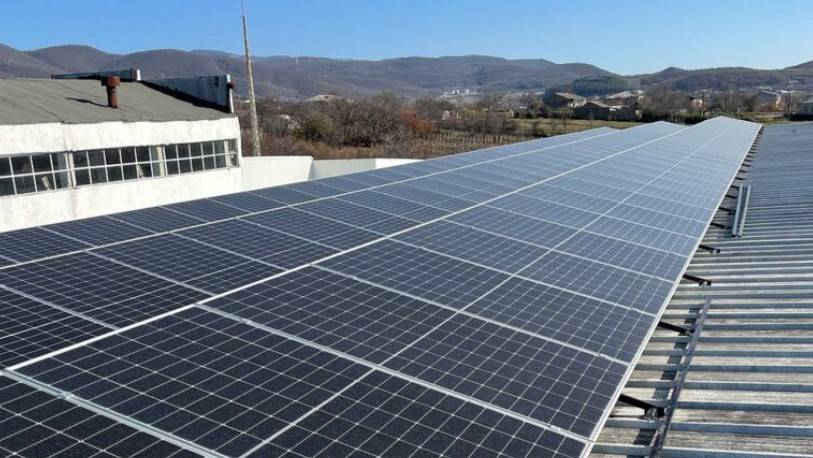
A fixed tilt PV system
The study selected Jodhpur and Jaisalmer, which have desert climates, and Kota and Barmer, classified as semi-arid, to capture variations in solar irradiance due to differing climatic conditions. Conventionally, fixed-tilt solar installations use angles aligned with a site’s latitude to optimize yearly solar exposure. However, the research showed that fixed angles do not effectively account for seasonal solar altitude changes, particularly during summer (May–July) and winter (December–January).
By implementing seasonal tilt adjustments—steeper angles of 58°–60° in winter and flatter angles, down to 0°, in summer—the study achieved an 8.89% to 9.02% increase in solar irradiance. The researchers noted: “The results reveal a clear seasonal trend, where optimum tilt angles are higher in the winter season (58°–60°) and gradually decrease to 0° during the summer season (May to July), reflecting the changing solar altitude.” They added: “By using optimal tilt angles, the values of solar radiance can be improved by approximately 8% – 9% across all locations of Rajasthan from tracking solar systems to achieve the maximum solar output power.”
The findings indicate that fixed-tilt systems lose efficiency at higher latitudes, highlighting the advantages of tracking systems in northern regions. Among the cities studied, Jaisalmer recorded the highest annual average solar radiance at 289.2 W/m², positioning it as the most favorable location for solar installations, especially with adjustable tilt systems. Jodhpur led in summer radiance with 301.5 W/m², while Kota recorded the lowest during the monsoon season at 229.4 W/m².
The study emphasizes that summer months deliver the highest irradiance across all four cities, while the monsoon season yields the lowest due to cloud cover. Winter outperforms the post-monsoon period in most areas, with February to May being optimal for performance due to high irradiance and cooler PV module temperatures. The researchers recommend that solar installation planning in Rajasthan account for seasonal variations and include strategies to address reduced output during the monsoon season, enhancing overall system efficiency.