Geolamp: Exploring Sustainable Alternative Materials for Electronics Enclosures
The Geolamp demonstrates how enclosure materials influence the repairability, chemical safety, and end-of-life pathways of electronic products. The global consumer electronics market faces increasing sustainability pressures. In 2022, global electronic waste reached a record 62 million tons, becoming the fastest-growing waste stream. Projections show its volume will reach 82 million tons by 2030, primarily driven by rising consumerism, shorter product life cycles, and the proliferation of embedded electronics.
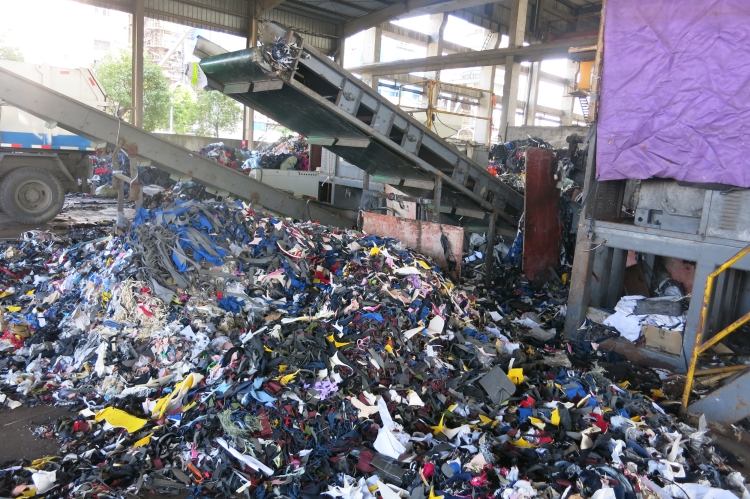
Despite rapid growth, only about 22% of global e-waste is formally collected and recycled, with the majority remaining unmanaged. This poses significant environmental and health risks, as electronic components commonly contain hazardous substances such as lead, mercury, and brominated flame retardants. At the product level, enclosures and casings constitute a large portion of material mass and embodied carbon. Plastics typically account for 20% to 25% of a consumer electronic's weight, but recycling rates for these polymers remain low.
Meanwhile, policy drivers, such as the EU's Right to Repair and Sustainable Product Ecodesign regulations, demand longer lifespans, improved repairability, and clearer end-of-life pathways. These combined pressures are prompting manufacturers to re-evaluate their enclosure strategies for user-facing electronics.
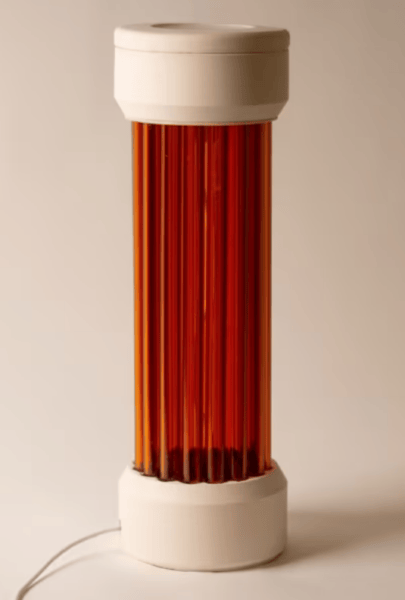
The Geolamp, developed at the MIT Design Intelligence Lab, provides a practical case study. Unlike conceptual designs, the lamp functions as a complete lighting product with embedded sensors and electronics. It targets a familiar end-user category, offering a relevant testbed for evaluating alternative enclosure strategies.
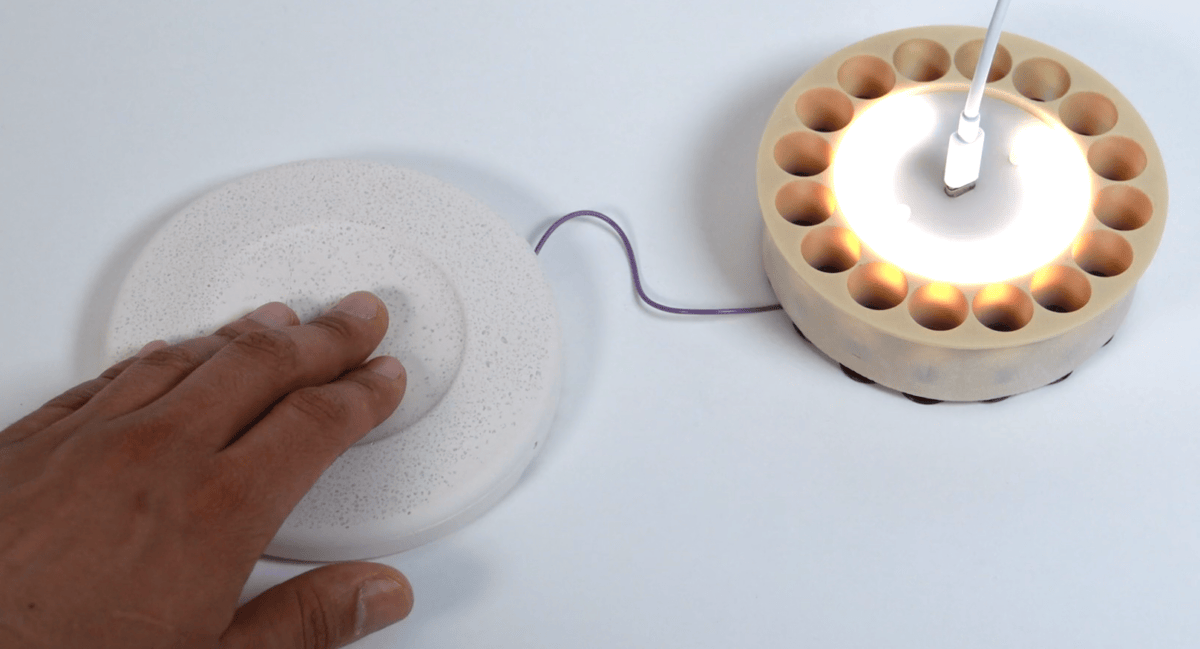
The lamp consists of two geopolymer parts connected by a ribbed glass tube housing the LED. Proximity and touch sensors embedded in the upper section control light intensity. From a user perspective, the interaction remains intuitive and minimal. From a sustainability perspective, this architecture eliminates fasteners, adhesives, and multi-material joints common in plastic enclosures. The electronics are embedded during material curing, not installed afterward, which directly impacts assembly complexity, repair strategies, and product lifespan.
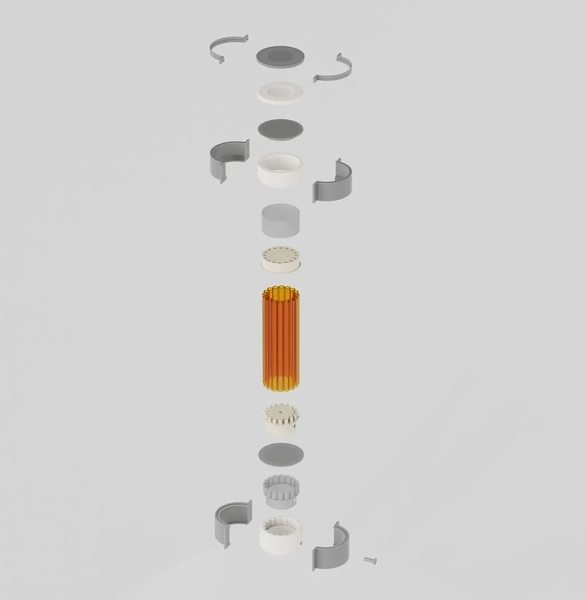
At the end-user market level, sustainability performance depends on measurable outcomes. The Geolamp avoids high-temperature firing during production, reducing energy demands compared to ceramic enclosures. Unlike traditional plastic enclosures, the material does not rely on flame-retardant additives to meet fire safety requirements. It demonstrates material durability suitable for long-term indoor use, contributing to reduced lifecycle emissions.
From a business perspective, the lamp highlights both opportunities and limitations. Casting replaces injection molding, reducing tooling complexity but increasing cycle time, making it suitable for low-to-medium volume electronics or premium segments. For electronics brands targeting differentiated, long-life products, the trade-off between volume and sustainability becomes acceptable.
End-of-life processing is critical for the electronics market. Embedding electronics simplifies assembly but requires planned access for repair or removal. The lamp illustrates the need for modular electronic inserts or defined separation points. Once electronics are removed, the remaining structural material behaves as inert mineral waste, which can be reused as aggregate or filler, avoiding microplastic generation and the release of hazardous additives, thus supporting circular economy goals.
The Geolamp does not propose a universal replacement for plastic enclosures. It defines clear boundaries for adoption: stationary consumer electronics, such as lighting, networking hardware, smart home hubs, and indoor sensors, align well with this approach; portable, impact-prone devices remain better suited for polymers. As a case study, the lamp provides electronics manufacturers with a decision-making framework rather than a single solution.
Related Products

HI-Pro Green Hydrogen High-efficiency Production System-HI-PRO-AEM
Hydrizon Technology (Beijing) Co., Ltd.
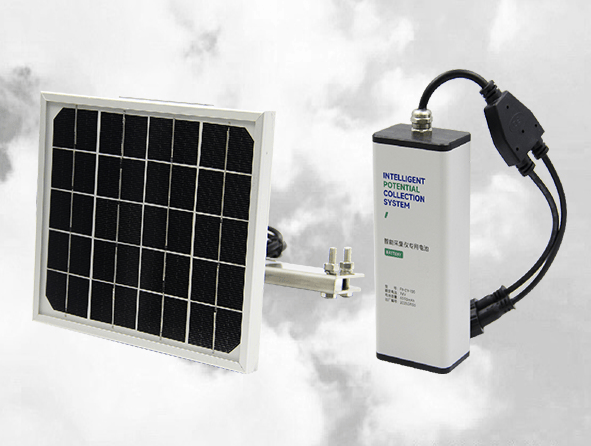
Inductive Power Harvesting Self-Powered Device - Safuneng
SELF ENERGY TECHNOLOGY (SHENZHEN) CO., LTD.

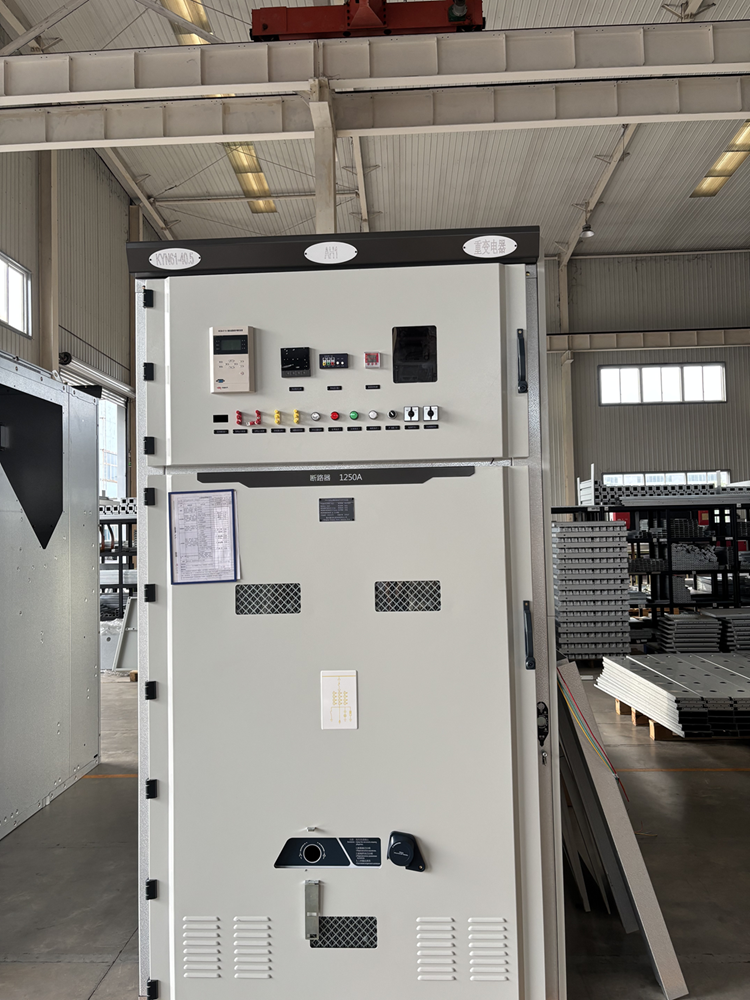
KYN61-40.5 Indoor AC Metal-clad Removable Switchgear
Chongqing Transformer Co., Ltd.
Modular Multifunctional Water Supply and Drainage Vehicle (18T)
Changsha Dewater Machinery Technology Co., Ltd.