Wedoany.com Report-Sept. 9, ELIRE Infra, part of the UK-based ELIRE Group, together with its consortium partners, has secured £1 million (around €1.152 million) in funding from the UK Government to advance the development of hydrogen floating power hubs. The initiative is designed to support the decarbonization of port operations and contribute to the UK’s transition toward net zero emissions.
The funding was granted through the Clean Maritime Demonstration Competition (CMDC) Round 6, which is managed by Innovate UK in collaboration with the UK Shipping Office for Reducing Emissions (UK SHORE) under the Department for Transport. The consortium will carry out the “Hydrogen Floating Power Hub Feasibility Programme” from September 2025 to March 2026. The program will evaluate both the technical and commercial feasibility of deploying floating, off-grid hydrogen energy systems to replace fossil fuel-based port infrastructure. A successful outcome could pave the way for the UK’s first operational hydrogen floating power hub by 2028.
ELIRE Infra is leading and coordinating the project, which brings together a wide range of partners including Offshore Renewable Energy Catapult, Ricardo UK, Rux Energy UK, Schneider Electric, Triton Anchor Europe, the University of Strathclyde, and Sealand Projects. Over the next decade, the project aims to reduce global carbon emissions by 500,000 tonnes, improve air quality around ports, and strengthen local energy resilience.
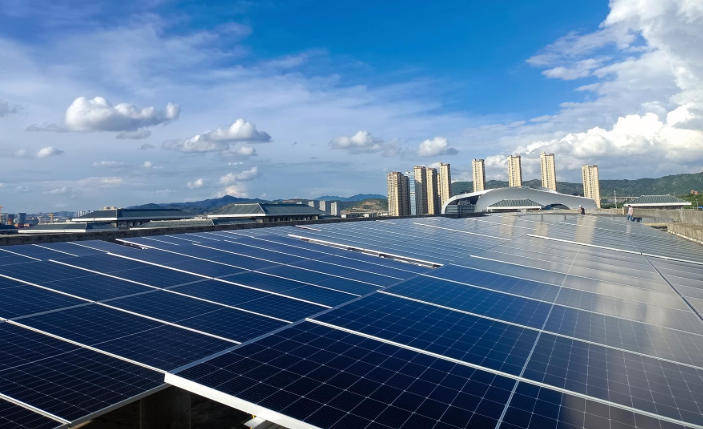
The hydrogen floating power hub is designed to combine hydrogen fuel cells with renewable technologies such as solar and biofuel-powered microturbines. The system could deliver up to 5 MW of clean energy in a modular and floating configuration. According to ELIRE, this flexibility makes the hub adaptable to various port settings, from urban harbors to remote coastal areas.
Luke Jenkinson, Founder of ELIRE Infra, stated: “Hydrogen’s power density far exceeds that of traditional industrial batteries. This allows us to create smaller-footprint, scalable systems ideal for ports with grid or space constraints. We see this as a transformative step for maritime decarbonisation globally.”
Chris Carlisle, Project Lead at ELIRE Infra, emphasized the broader vision of the initiative, saying: “This is more than technology—it’s a new energy model for ports. By integrating hydrogen storage, renewable power, and microgrid systems on a floating platform, we’re creating a blueprint that can scale worldwide.”
The River Thames has been identified as a potential site for early deployment. By the end of the feasibility program in March 2026, the consortium expects to finalize detailed designs, regulatory assessments, vendor selections, costed equipment lists, and a solid business case to attract investment for large-scale deployment.
Beyond reducing emissions, the project is expected to generate jobs in engineering, fabrication, and operations. It will also accelerate hydrogen adoption in shipping and logistics, offering a replicable clean energy model for ports worldwide.
James Lovett, Innovation Lead for Future Maritime Technologies at Innovate UK, commented: “Hydrogen Floating Power Hub is an excellent example of UK-led innovation tackling a hard-to-abate sector. This consortium has the expertise to develop a commercially viable zero-emission solution for port operations.”
Maritime Minister Mike Kane added: “It’s exciting to see investment in green fuels driving innovation, skills, and manufacturing across the UK. This £30 million round of funding is crucial to cleaning up sea travel and trade as we chart a course to net zero shipping by 2050.”