Wedoany.com Report-Nov. 3, Métropole Européenne de Lille (MEL) is advancing the modernisation of its fully automated metro network with two major train procurement projects in 2025. The upgrades focus on replacing aging rolling stock and boosting passenger capacity on Lines 1 and 2 of the Lille VAL (Véhicule Automatique Léger) metro system.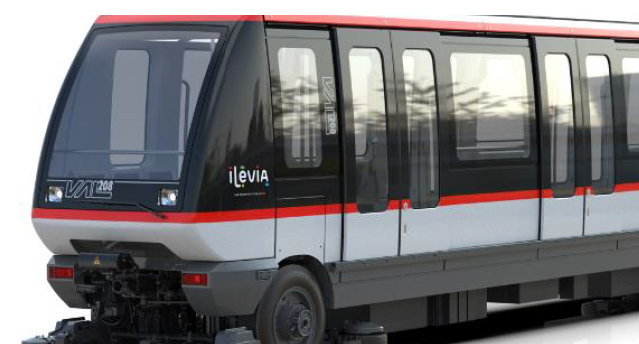
Rendering of the new VAL 208 NG3 trains for Lille’s VAL Line 3
On 17 October 2025, MEL’s Council confirmed a €445.657 million contract (excluding VAT) with Siemens Mobility for the supply of 57 new third-generation VAL 208 NG3 automatic metro trains for Line 2. According to Siemens, about 55% of the project will be completed in France, with project management teams based in Toulouse and Lille, while manufacturing will take place in Europe. The first trains are expected to be delivered by the end of 2028.
Line 2, currently 31 km long with 44 stations, is the longest line in the Lille network. It operates a fleet of 143 trains across three generations: 38 VAL 206 A units (since 1983), 45 VAL 206 B BIS (since 1986), and 60 VAL 208 AG (since 1999). The 57 new Siemens trains will replace 30 aging VAL 206 units and add 27 new ones, increasing the line’s capacity by about 30%. The new vehicles will feature improved accessibility, energy-efficient drive systems, redesigned interiors for better space utilisation and maintenance, and enhanced fire safety compliance.
Earlier in January 2025, MEL announced an expanded contract with Alstom for 15 additional automated trains for Line 1, valued at approximately €210 million. This new order supplements an earlier agreement for 27 trainsets, bringing the total to 42. The original Alstom contract, signed in 2012, included both the supply of 52-metre-long automated trains and the integration of the Urbalis Fluence signalling system. Initially, commissioning was planned for 2016 but was delayed multiple times due to the complexity of integrating the new system with the existing VAL infrastructure. As of 2025, the first deliveries are now scheduled for 2028.
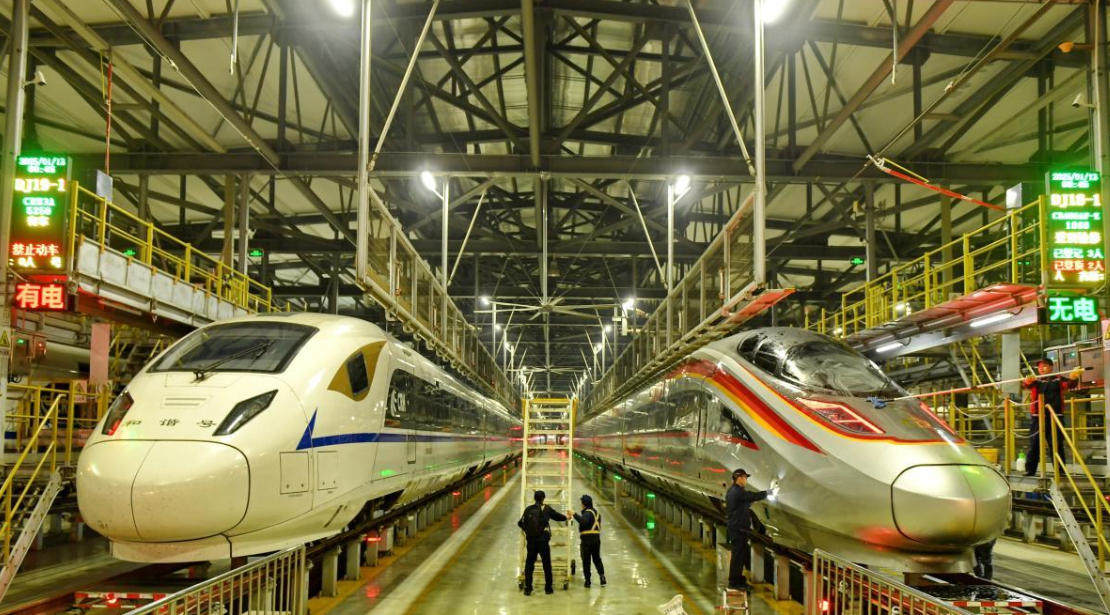
The new Alstom trains will accommodate up to 545 passengers and feature a fully walk-through design—known as the “boa concept”—which is a first for Lille’s VAL system. They will be equipped with Alstom’s Urbalis Fluence automatic control and signalling technology, which allows train-to-train communication and real-time operations. Notably, this marks the first time a non-Siemens manufacturer’s train will be integrated into a VAL network originally developed by Matra.
With these two large-scale contracts, MEL aims to modernise its metro system rather than expand it. Objectives include extending fleet service life, replacing outdated trains, improving passenger comfort and safety, enhancing energy efficiency, and supporting national industrial production. The increased fleet size will also enable shorter intervals between trains—up to 66 seconds at peak times—positioning Lille’s metro among the world’s most frequent automatic transit systems.
These investments highlight MEL’s commitment to sustainable mobility and to strengthening public transportation as a competitive alternative to private vehicles while reinforcing the region’s transport infrastructure and industrial capabilities.