Canada’s Enbridge to Plan Second Phase of Mainline Oil Pipeline Expansion
Wedoany.com Report-Nov. 8, Enbridge (ENB.TO) announced on Friday that it plans to launch a formal process early next year to assess commercial interest in a second phase of expansion on its Mainline crude oil pipeline network. The Calgary-based company said that if the project proceeds, it could add 250,000 barrels per day (bpd) of additional capacity by 2028, aiming to meet the increasing demand for export access from Canadian oil producers.
Enbridge Inc logo is seen displayed in this illustration taken April 10, 2023.
This potential expansion follows an earlier planned first phase, for which Enbridge expects to make a final investment decision before the end of the year. The first phase is expected to add 150,000 bpd of capacity and begin operations by 2027. Enbridge said both projects reflect strong customer demand for Canadian crude and the growing importance of efficient transport routes to reach key markets in Eastern Canada and the U.S. Midwest.
Despite reporting lower-than-expected third-quarter profit due to higher financing costs linked to capital investments, including recent U.S. gas utility acquisitions, Enbridge highlighted record Mainline throughput during the quarter. The system, which has the capacity to move 3 million bpd of crude, transported an average of 3.1 million bpd, underscoring robust market demand.
Canada’s oil sands sector has remained stable through global market fluctuations, supported by long-term investments that have positioned it among the most cost-efficient production regions in North America. The country’s oil output averaged a record 5.1 million bpd last year, and Enbridge forecasts an additional 500,000 to 600,000 bpd of supply growth by 2030.
In the broader energy policy context, the Canadian government is in discussions with Alberta about potential collaboration on a new crude pipeline alongside a large-scale carbon capture and storage project designed to reduce emissions from the oil sands. While no private company has yet expressed readiness to undertake such a pipeline, federal authorities recently signaled openness to reconsidering an emissions cap, suggesting alternatives such as enhanced carbon pricing mechanisms.
Enbridge Executive Vice President Colin Gruending said during a conference call that optimizing the Mainline pipeline remains the “quickest and most cost-effective way” to accommodate the expected increase in Canadian oil production. He added: “There could be much more upside to monetize the trillions of dollars of value up in northern Alberta,” if future regulatory adjustments support additional infrastructure investment.
For the third quarter ending September 30, Enbridge reported an adjusted profit of 46 Canadian cents per share, below analysts’ average estimate of 51 Canadian cents per share, based on data from LSEG. The company’s adjusted core profit from its liquid pipelines division was C$2.31 billion ($1.65 billion), down slightly from C$2.34 billion in the same period last year, mainly due to lower contributions from the Flanagan South and Spearhead pipelines.
The company stated that expanding Mainline capacity remains central to its long-term growth strategy and to supporting Canada’s role as a stable supplier of energy to global markets.
Related Products
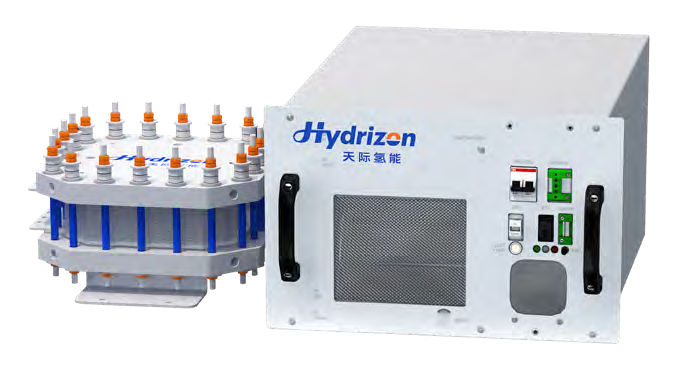

HI-Pro Green Hydrogen High-efficiency Production System-HI-PRO-AEM
Hydrizon Technology (Beijing) Co., Ltd.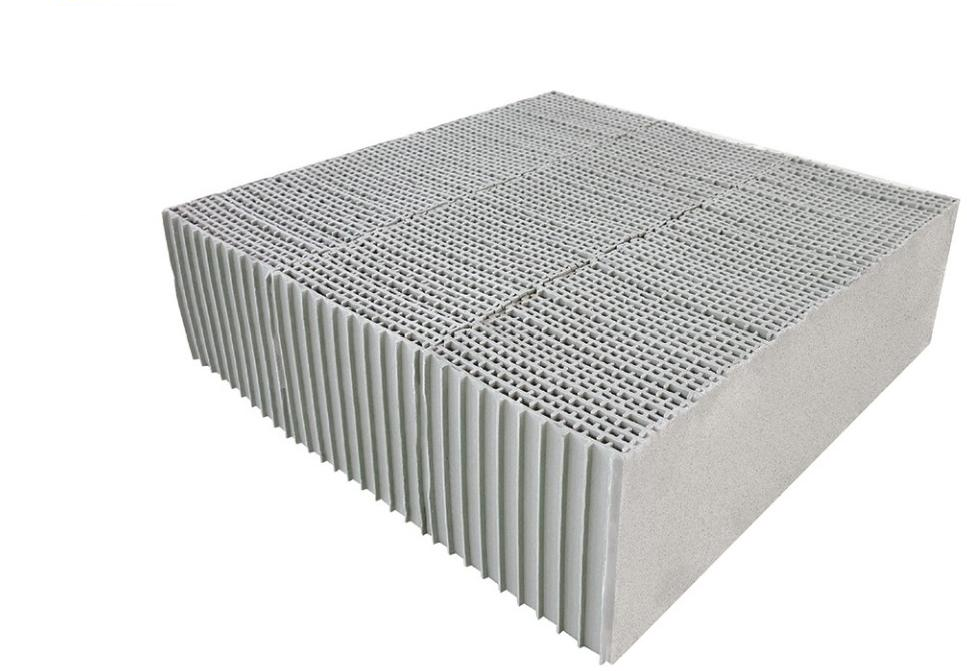
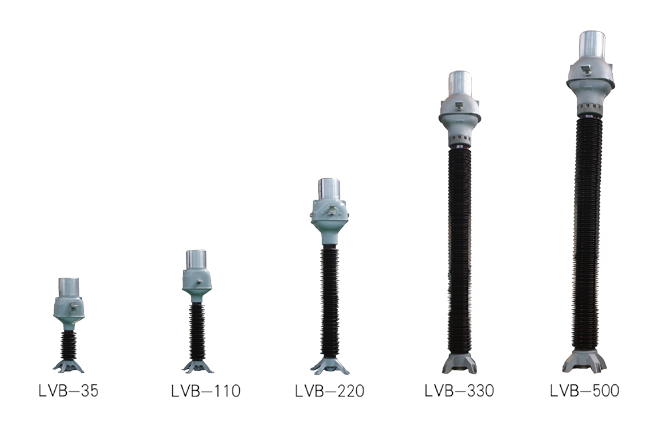
LVB Series 35-500kV Oil-immersed Inverted Current Transformer
Shandong Taikai Instrument Transformer Co., Ltd.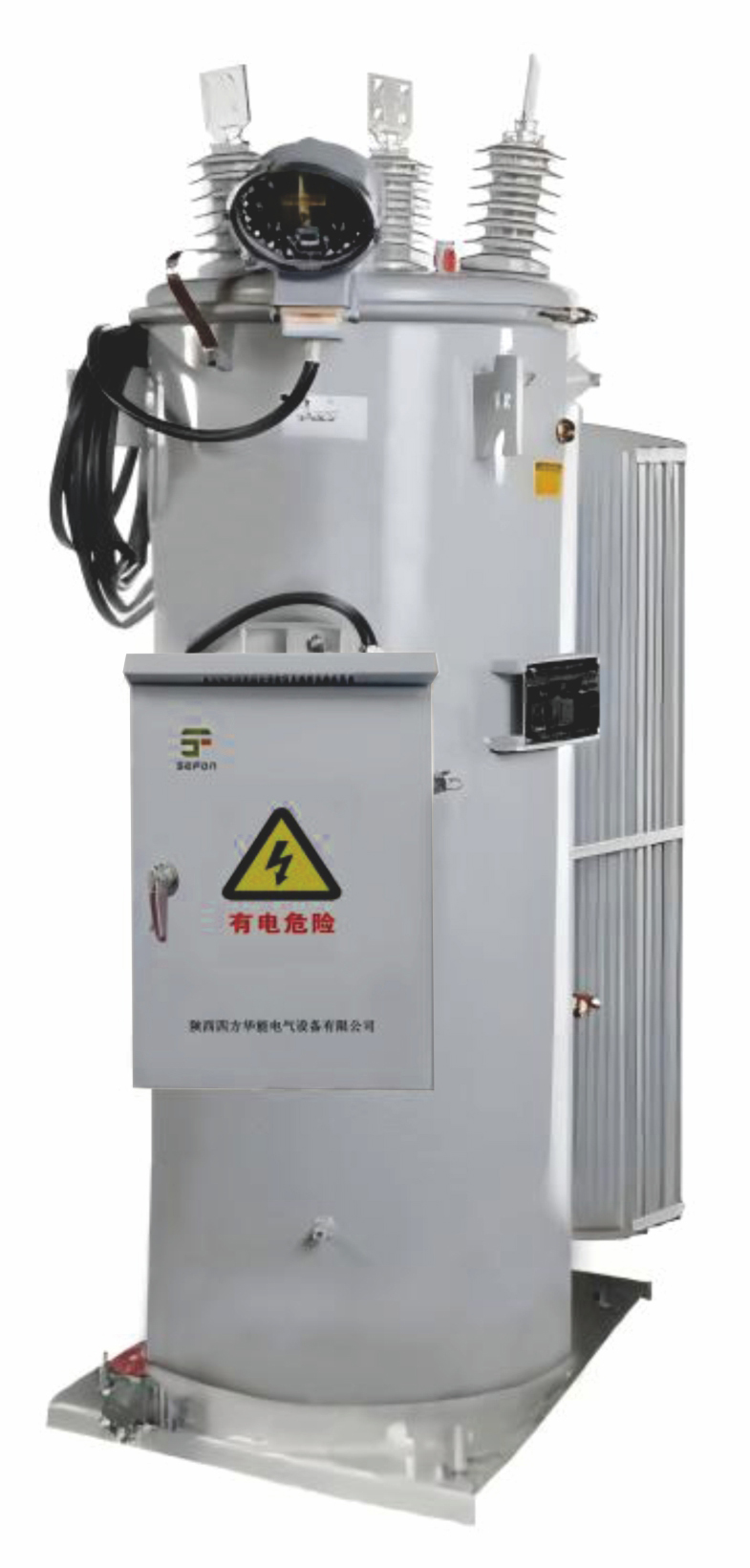
Single-Phase Automatic Voltage Regulator(AVR)
Shaanxi Sefon Electrical Equipment Co.,Ltd.
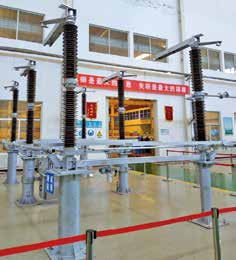
GW4-40.5/72.5/126/145/170/252/363/420 Series Double-column Horizontal Rotary High-voltage AC Disconnect Switch
SHANDONG TAIKAI DISCONNECTORS CO., LTD.
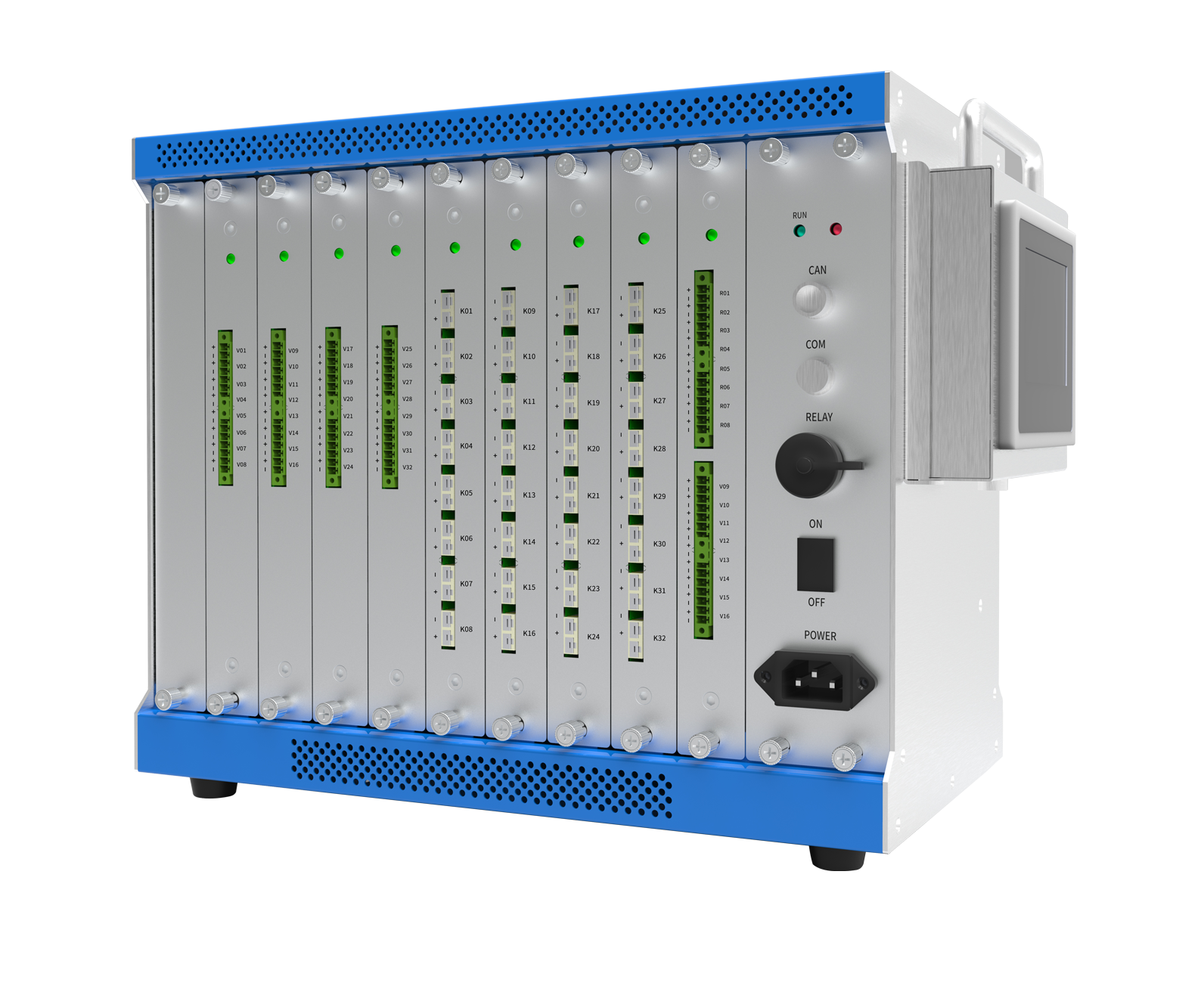
Optional Accessory - Auxiliary Sampling Module
Beijing Soaring Electric Technology Co., Ltd.