India Aims for 100 GW Pumped Storage Capacity by 2036
Wedoany.com Report on Feb 7th, The Central Electricity Authority (CEA), under India's Ministry of Power, recently released a national roadmap aiming to increase the country's pumped storage capacity to 100 gigawatts (GW) by the financial year 2035-36, as a crucial component of its long-term energy storage strategy. As of 2025, India's non-fossil fuel-based installed capacity has already surpassed 50% of the total, achieving this target five years ahead of schedule, which has intensified the need for energy storage solutions.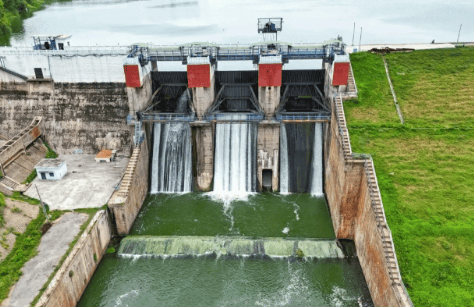
According to the roadmap, India's pumped storage capacity is projected to reach approximately 87 GW by 2033-34 and exceed 100 GW by 2035-36. The plan envisages an average annual addition of about 9 GW over the next decade, with the scale of commissioning expected to expand further after 2030 as more projects enter the construction phase. As of December 2025, India has 10 operational pumped storage projects with a total capacity of about 7.2 GW, another 11.6 GW under construction, 9.6 GW approved, and over 74 GW in the investigation stage.
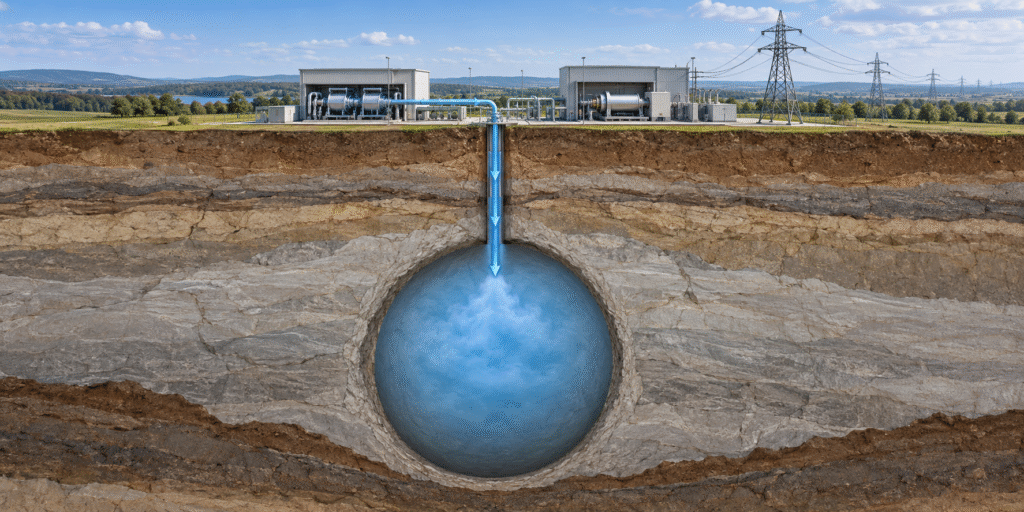
India's assessed pumped storage potential reached about 267 GW in 2025, primarily due to the identification of off-stream closed-loop projects, which now account for over three-quarters of the national potential. The roadmap emphasizes a strategic shift towards these off-stream closed-loop systems. These projects operate independently of rivers, potentially reducing environmental and social impacts and facing fewer land acquisition challenges. They also have a shorter construction period of around four years and lower regulatory complexity.
Developers and state utilities are increasingly proposing closed-loop systems in plateau and hilly regions, particularly in states like Maharashtra, Andhra Pradesh, Gujarat, Karnataka, and Uttar Pradesh. Maharashtra alone possesses over 56 GW of identified potential, the highest among all states. The roadmap aligns with the National Resource Adequacy Framework, predicting a significant rise in storage demand as renewable energy penetration increases.
CEA studies indicate that the total storage capacity requirement across all technologies needs to grow from about 62 GW in 2029-30 to over 160 GW by 2034-35, potentially reaching as high as 476 GW by 2046-47. Pumped storage is expected to meet the bulk of long-duration storage needs post-2030, providing six hours or longer of discharge duration, along with ancillary services like frequency regulation, spinning reserve, and black start capability, which are vital for maintaining grid stability.
To accelerate project development, the roadmap proposes several measures. These include competitive bidding for storage procurement based on tariffs, exemptions from interstate transmission charges, fiscal support for infrastructure, streamlined approval processes, and differentiated environmental guidelines for closed-loop versus conventional hydropower projects to simplify permitting. The government is also exploring the use of exhausted mines and existing reservoirs for pumped storage development to reduce land acquisition and construction costs.
If implemented as planned, India's pumped storage expansion will significantly enhance its ability to manage peak demand and integrate a higher share of renewable energy. Project commissioning is expected to accelerate in the early 2030s as several large schemes move from investigation to construction. The CEA noted that capacity targets could be revised upwards if projects like off-stream closed-loop schemes progress faster than anticipated.
Related Products

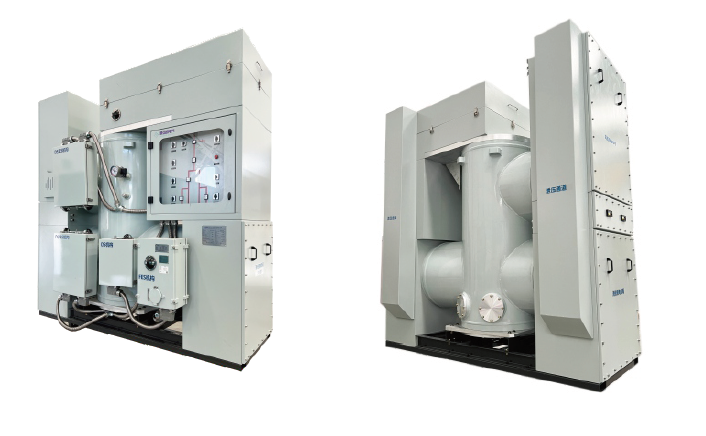
72.5kV 1250A 31.5kA SF6 free Gas-insulated Metal-enclosed Switchgear
Zhejiang Juhonkia Intelligent Electric Co., Ltd.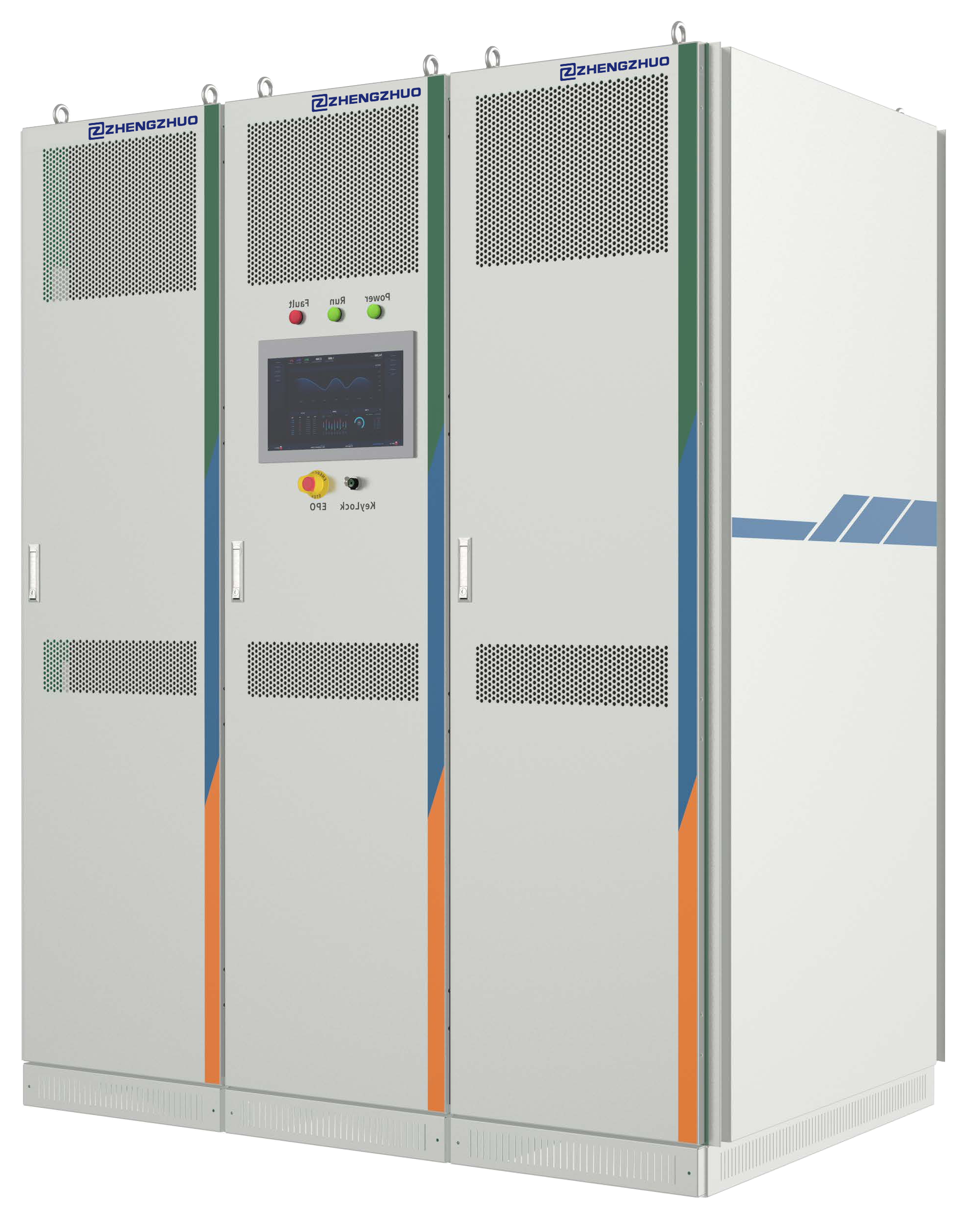
IGBT Hydrogen Production Power Supply - High Power Air Cooling
Beijing Zhengzhuo Engineering Technology Co., Ltd.
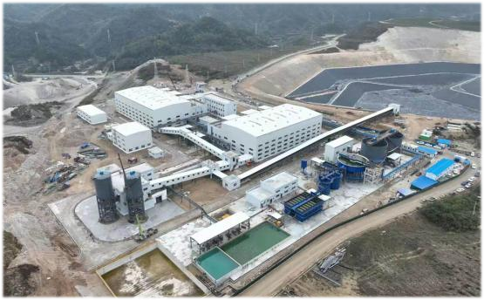
Yingping Mining Section Open-pit Tailings Backfill Treatment of Goaf Ecological Restoration EPC Project
China Bluestar Lehigh Engineering Corporation
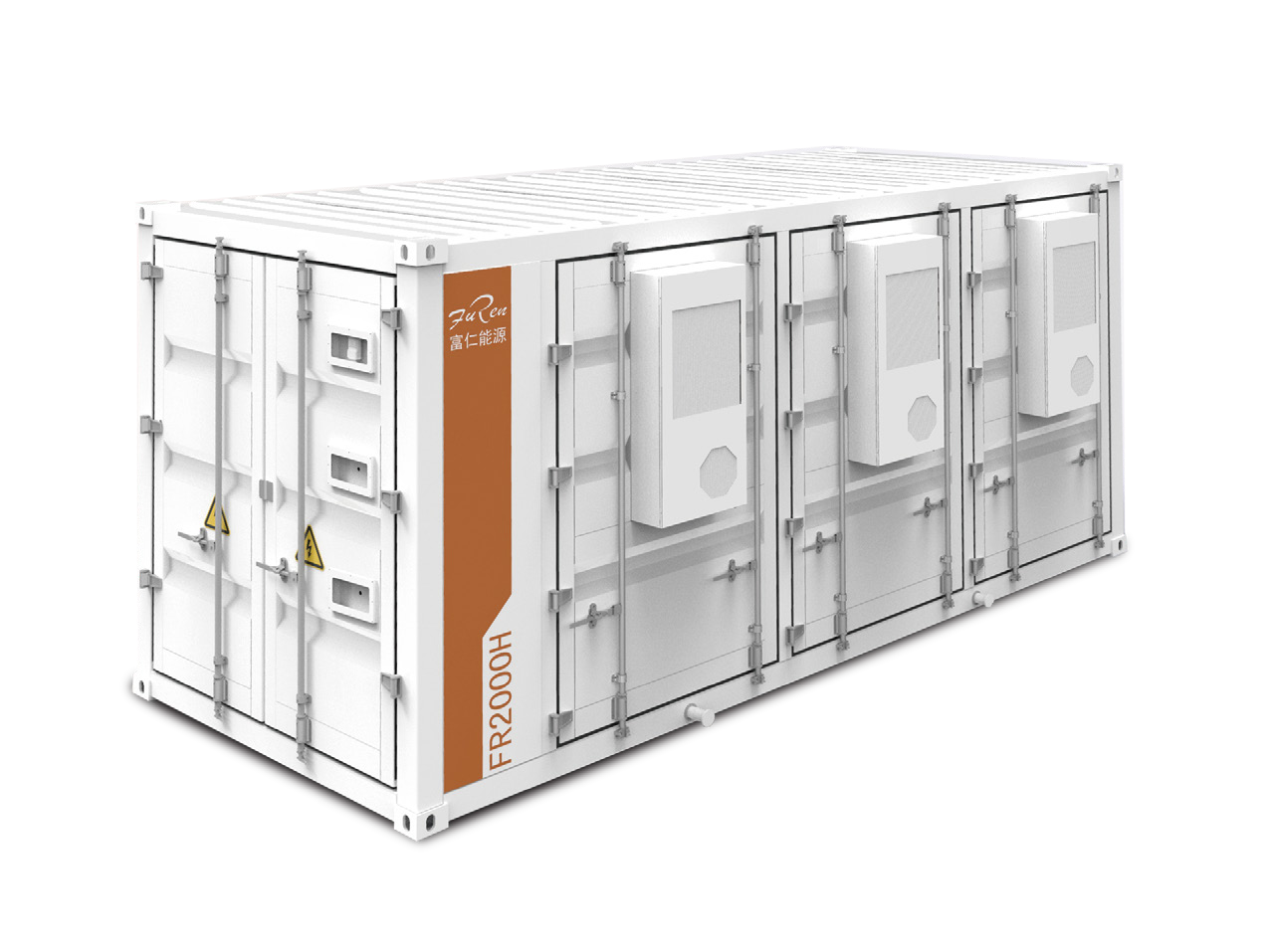
FR2000H 2.15MWh (Air-cooled) 20-foot Containerized Energy Storage System
Jiangyin Furen High-tech Co., Ltd.