Scottish Government Rejects Scoop Hill Wind Farm Project
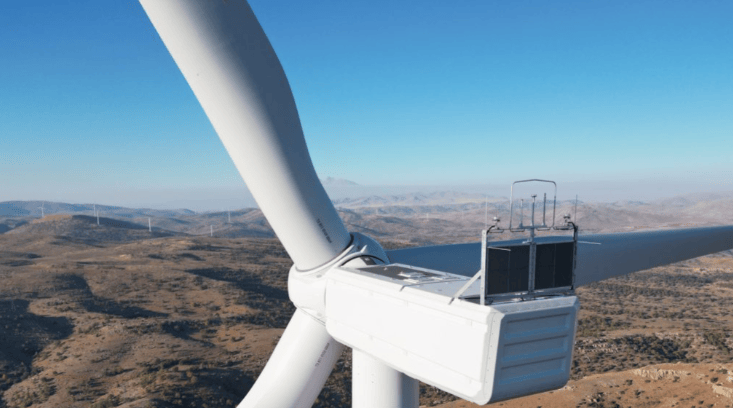
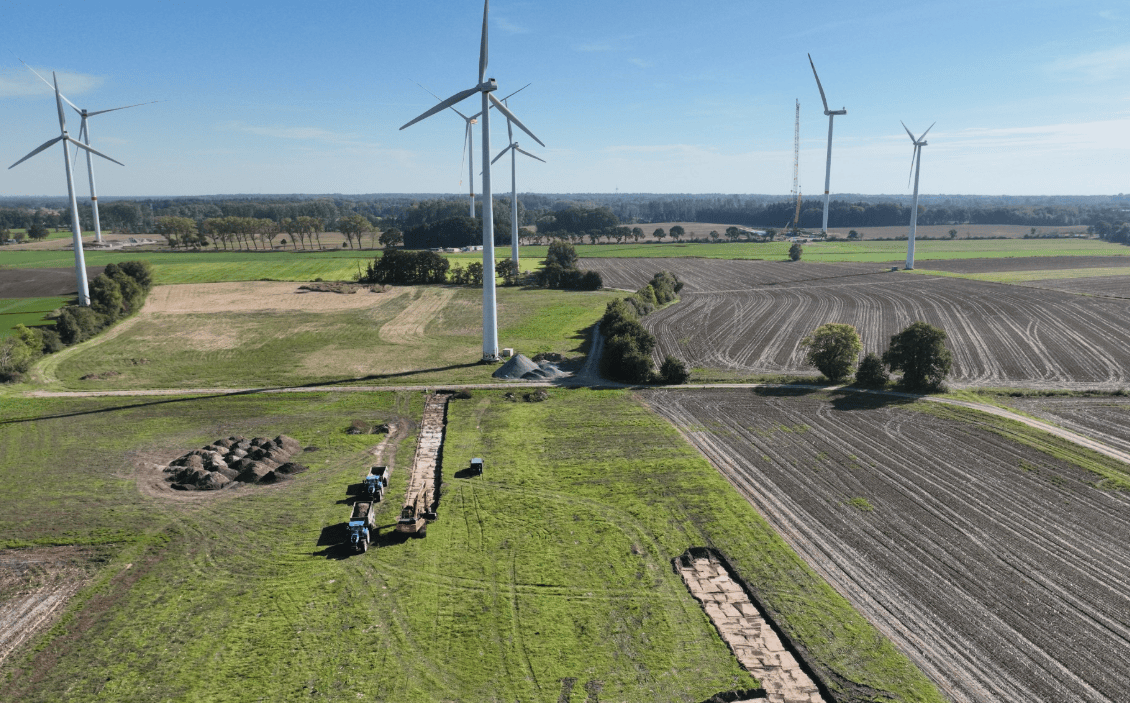
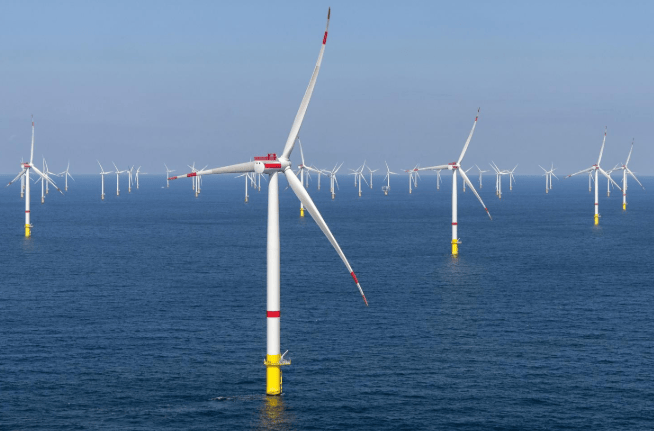
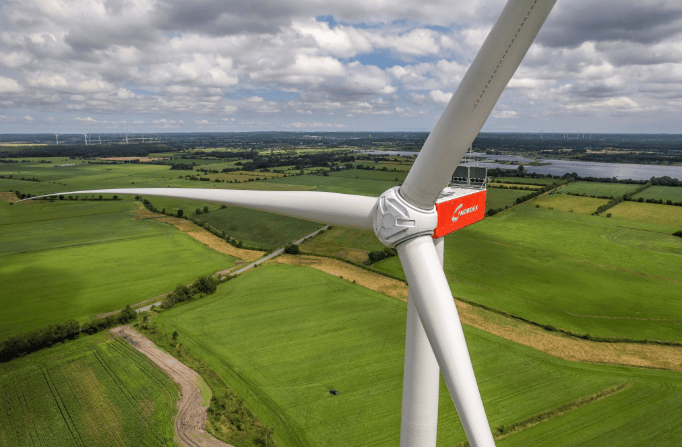
Wedoany.com Report on Feb 9th, The Scottish Government recently rejected the Scoop Hill wind farm project proposed by CWP Energy. The project planned to install 60 wind turbines and was one of the largest renewable energy proposals currently in Scotland, originally scheduled to commence operation in 2027. This decision could have a negative impact on green energy investment in Scotland and affect the UK government's target for clean electricity by 2030.
According to the plan, the Scoop Hill wind farm was expected to create over 250 jobs during the construction phase, generate £5 million annually in local business rates, and provide £2 million in community benefit funds. The project is also linked to UK domestic manufacturing, with the Vestas Isle of Wight blade factory producing turbine blades for another CWP wind farm. This factory supports approximately 600 skilled jobs.
The project team had submitted a technical proposal to the Ministry of Defence to address compatibility issues with the Eskdalemuir seismic array. This array is currently seen as a potential barrier to renewable energy investment, involving funding of around £10 billion. CWP cited data from the nearby Crossdykes wind farm, stating that the noise from operating wind turbines is lower than that from forestry and quarrying operations and significantly diminishes beyond 5 kilometers. As the array is located more than 10 kilometers from Scoop Hill, the project team believed it would not cause interference.
Rod Wood MBE, Managing Director of CWP Energy, stated: "It is disappointing that a £1 billion investment from a British company has been rejected without substantive communication from either government. There is frequent rhetoric about creating an environment for growth and encouraging infrastructure investment to reduce the cost of living, but the actual decisions contradict this."
He added: "Post-Brexit, investors anticipated a more business-friendly and growth-oriented environment to foster jobs and future development. This rejection demonstrates that obstacles still exist within the system, and real change has not occurred."
Related Products


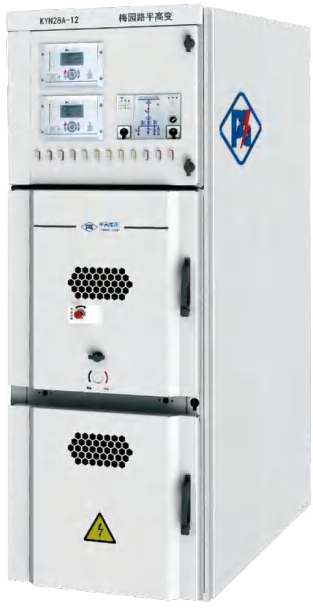
KYN28A-12 Metal Armored Removable Switchgear
Tianjin Ping Gao Intelligent Electric Co., Ltd.
40.5kV-1100kV Gas Insulated Metal-Enclosed Switchgear (GIS)
Henan Pinggao Electric Co., Ltd.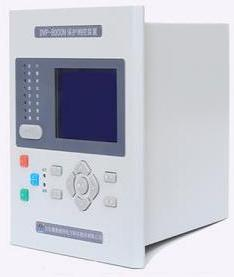
Microcomputer Protection and Substation Automation
Beijing Agent Devote Power Technology Development Co., Ltd.
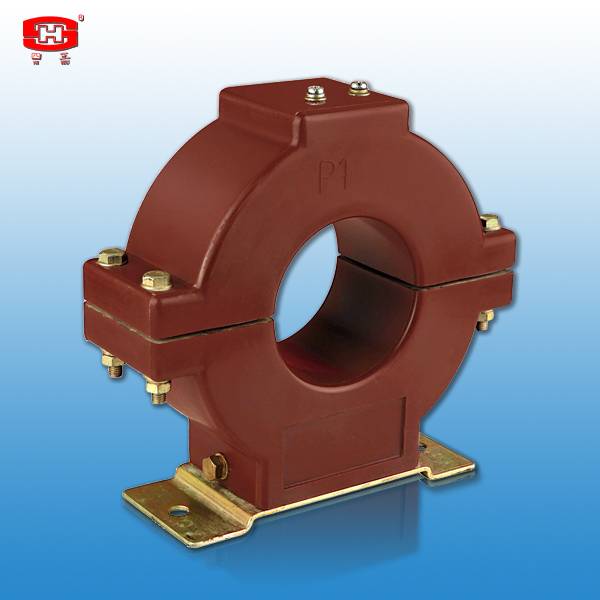
0.66kV Power Supply Instrument Transformer
Guangdong Sihui Instrument Transformer Works Co., Ltd.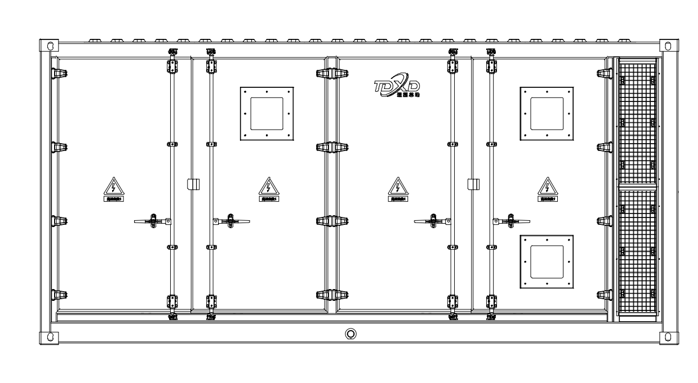
5012kWh DC Energy Storage System TD-EES-5012kWh
Suzhou Tongding Xindong Energy Storage Technology Co., Ltd.
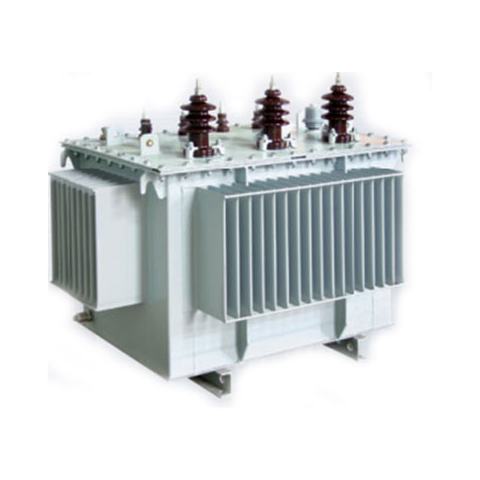
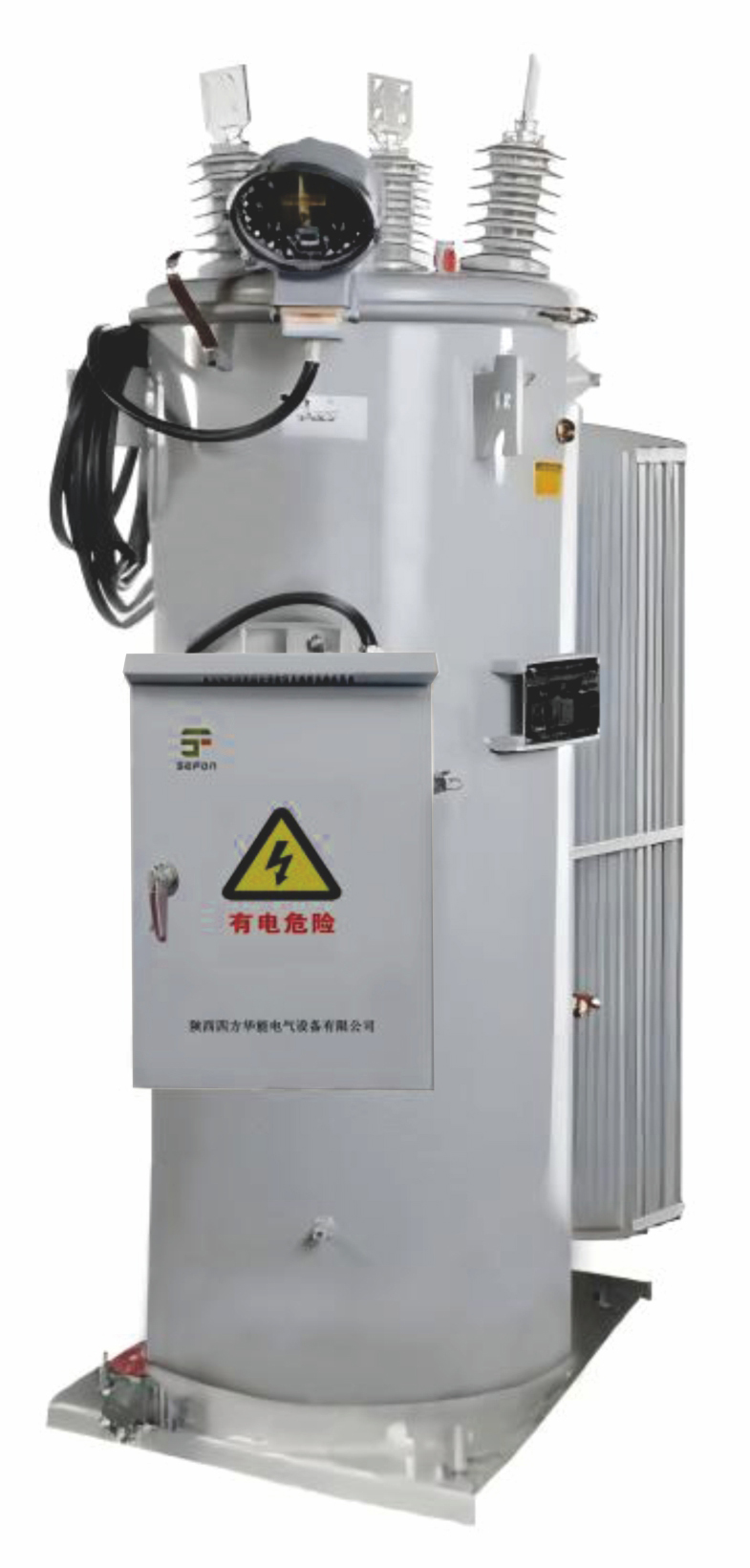
Single-Phase Automatic Voltage Regulator(AVR)
Shaanxi Sefon Electrical Equipment Co.,Ltd.