Shell Adjusts Strategy to Counter Weak Oil Prices: Cuts Spending and Boosts Oil and Gas Output
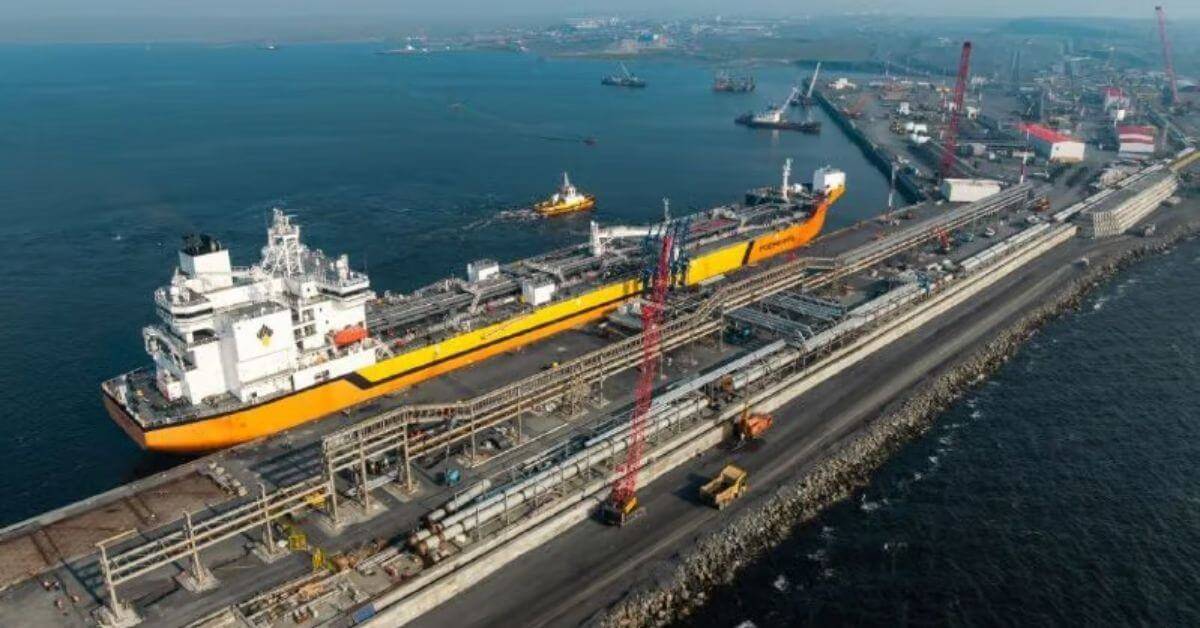
Wedoany.com Report on Feb 9th, Shell CEO Wael Sawan recently stated that the company will "focus on what we can control" to address the challenges posed by falling oil prices. In the fourth quarter of 2025, Shell's revenue fell to a four-year low, and the company plans to improve performance by fixing its chemical business, cutting spending, and accelerating upstream production.
Data released by Shell on February 5th shows that its upstream oil and gas business produced 1.89 million barrels of oil equivalent per day (boe/d) in the fourth quarter of 2025, an increase of 60,000 boe/d from the third quarter. Chief Financial Officer Sinead Gorman described this performance as a "strong quarter in the current price environment." Growth in the upstream division was entirely driven by gas, with production up 15% quarter-on-quarter. The company expects production in the first quarter of 2026 to be roughly stable or slightly lower, ranging between 1.7 million and 1.9 million boe/d.
Production in the independent Integrated Gas business (including LNG) increased to 948,000 boe/d, with LNG liquefaction reaching 7.8 million tonnes, benefiting from record cargo deliveries in 2025. The growth was primarily driven by increased contributions from Brazil and the United States. The Kaikias water injection project in the Gulf of Mexico and the final investment decision for the 120,000 boe/d Orca project (formerly Gato do Mato) in Brazil are expected to support future production.
Shell has set a target to add 1 million boe/d of production from new projects by 2030, with one-quarter already online. In Brazil, the company achieved first oil from the Mero-4 asset, with production of 180,000 boe/d. The Atapu-2 project, expected to start up in 2029, will add approximately 225,000 boe/d of production. In 2025, Shell committed an additional $20 billion for deepwater oil production in Nigeria, acquired blocks in Angola and South Africa, and created the UK North Sea's largest independent producer through the Adura joint venture.
Sawan noted that the company has "strong interest" in new opportunities in Kuwait and is "well-positioned" in Venezuela's gas sector. However, he warned that with oil prices falling and Integrated Gas performance returning to "pre-pandemic levels," new spending requires strict capital discipline and "tough choices" on underperforming assets. He told investors: "This is not an open barrel, 'let's go back to the adventure days of exploring everywhere.'"
After divesting assets such as the Rotterdam biofuels project and the Bukom Island refinery in Singapore, Shell will prioritize "fixing and repositioning" its chemical business in 2026, committing to "spare no effort" in reviewing costs. Chemical plant utilization fell to 76% in the fourth quarter and is expected to remain below 87% in the first quarter. In contrast, refining margins performed strongly, with the indicative refining margin at $13.8 per barrel in Q4, up from $11.6 per barrel in Q3. Refinery utilization averaged 95% and is forecast to be between 90% and 98% in Q1 2026.
Shell reported that weak oil prices and a "difficult macro environment" hit profits, with 2025 adjusted earnings at $18.5 billion, down 22% year-on-year. Fourth-quarter adjusted earnings fell from $5.4 billion in Q3 to $3.3 billion, mainly due to losses in marketing, chemicals, and products businesses, and $800 million spent on carbon emission certificates and biofuels programs. This result fell short of analysts' forecast of $3.5 billion, marking the lowest annual revenue since 2021. Since 2022, the company has cut costs by $5 billion and plans to cut "hundreds of millions" more.
Planned capital expenditure for 2026 is $20 billion to $22 billion, consistent with 2024-2025 levels. The company is also preparing for "counter-cyclical opportunities" in case price declines trigger new asset sales. Brent crude prices fell from $81 per barrel to $69 per barrel in 2025. Shell's realized liquids price in Q4 was $59 per barrel, and the company assumes an average price of $70 per barrel through 2035. Shell's oil outlook is broadly aligned with S&P Global Energy CERA analysts, who forecast an average Brent price of $59 per barrel in 2026 and $73 per barrel on average between 2025 and 2035. S&P Global Commodity Insights' Platts assessed the Dated Brent benchmark at $69.82 per barrel on February 4th.
Related Products
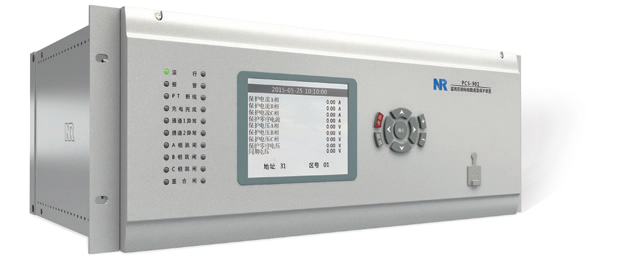

PCS-901 Series Ultra (Extra) High-voltage Transmission Line Complete Protection Device
Nanjing NR Electric Co., Ltd.
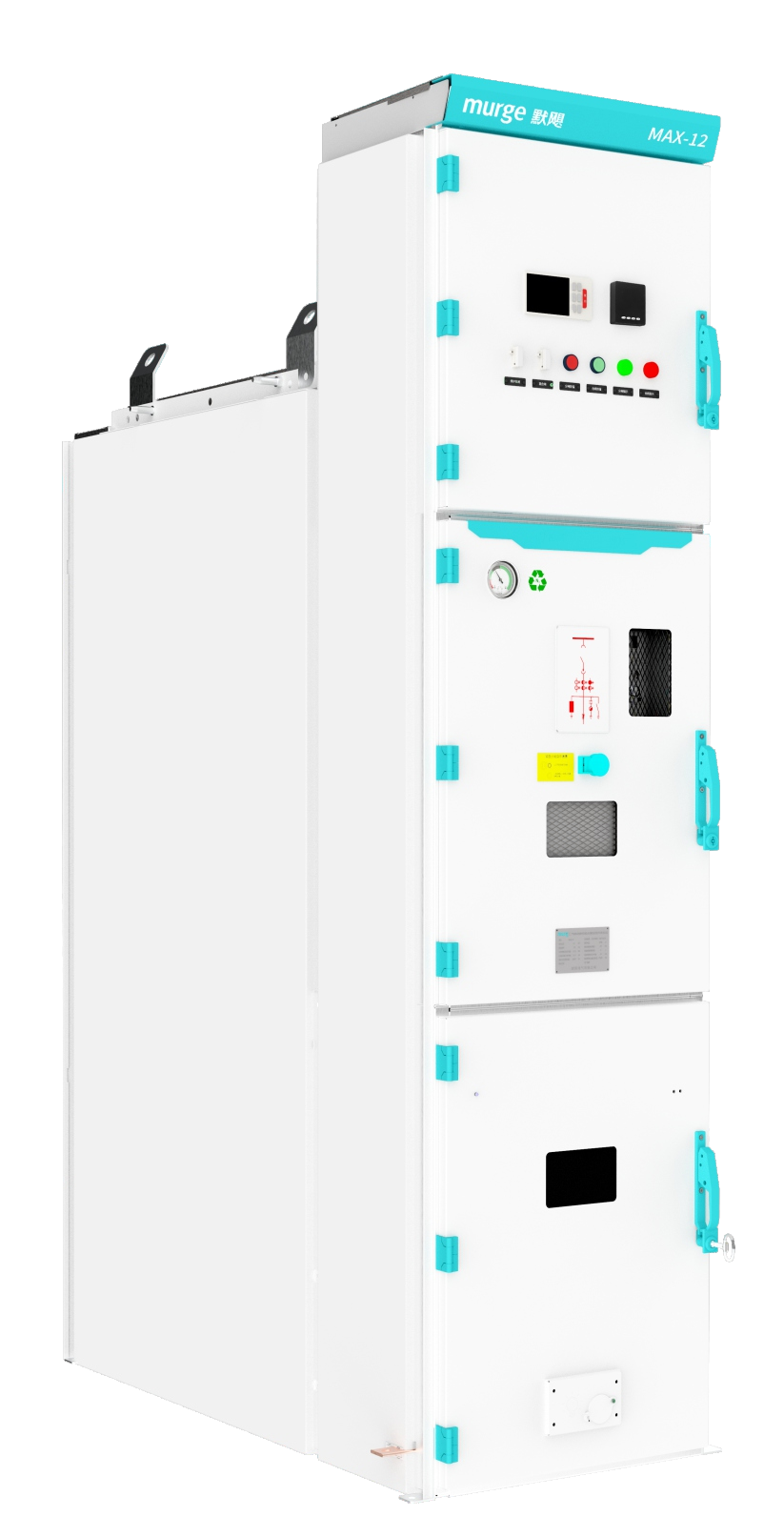
MAX-12 series Environmental Protection/SF6 gas insulated switchgear (C-GIS)
Murge Electric Co.,Ltd.

Overseas IEC Gateway Energy Meter - DTSD341/DSSD331-aMeter390
Wasion Group Limited Co., Ltd.

714CD Series C-Band Weather Radar
Chengdu Zhongdian Jinjiang Information Industry Co., Ltd.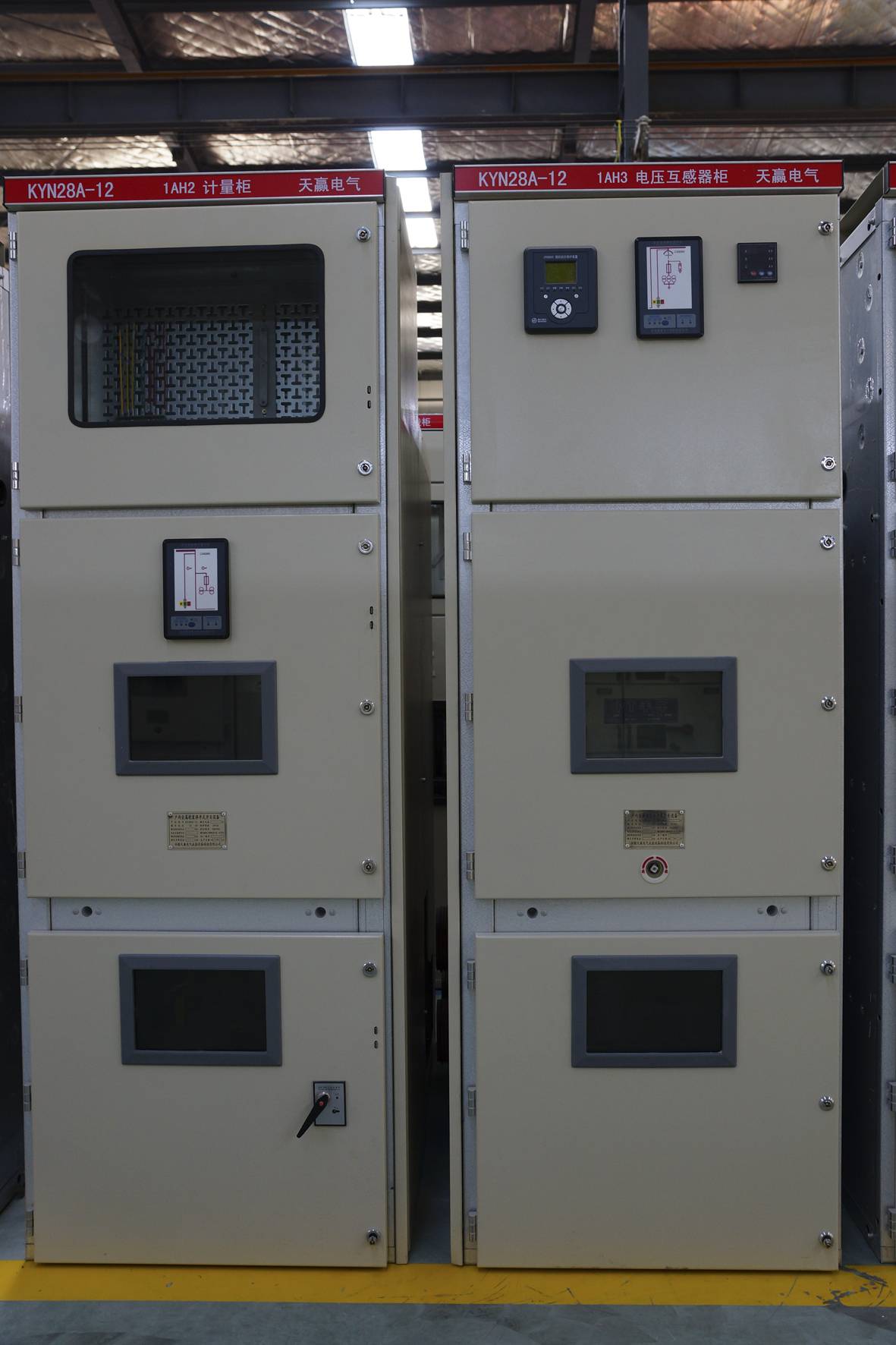
KYN28 - High Voltage Switchgear
Anhui Tianying Electrical Equipment Manufacturing Co., Ltd.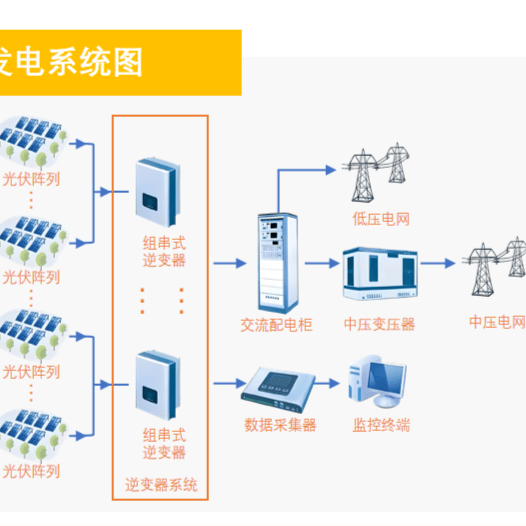
Photovoltaic and Wind Power Generation Technology
Beijing Boqi Electric Power SCI-TECH Co., Ltd.
220kV and Below Voltage Level Energy-saving Oil-immersed Power Transformers
FuZhou TianYu Electric Co., Ltd.