UK Energy Department Headquarters' Use of Fossil Fuel Power Sparks Controversy Over Green Energy Policy
Wedoany.com Report on Feb 9th, While the UK's Department for Energy Security and Net Zero promotes renewable energy, its headquarters rely on fossil fuel-generated electricity. Data disclosed through a Freedom of Information request reveals that several government departments, including the Home Office and the Ministry of Justice, have opted for cheaper "brown" electricity tariffs instead of green energy.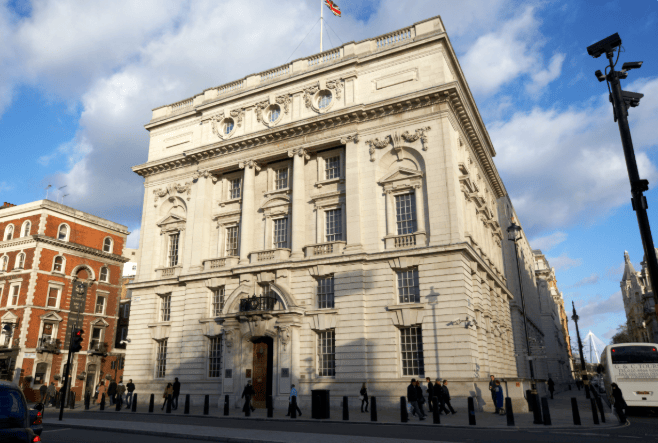
Over 80% of the electricity used in Whitehall comes from the standard grid mix, a significant portion of which is generated by burning fossil fuels. The Department for Energy Security and Net Zero's headquarters at 55 Whitehall, where more than 2,000 civil servants work, also uses a gas boiler for its heating system.
In contrast, nearly half of local councils have chosen more expensive green or zero-carbon electricity tariffs. Critics point out that this highlights a contradiction within the UK's net-zero agenda: central government bodies avoid green tariffs while local governments pay extra for them.
In response to The Times, the Energy Department acknowledged that its headquarters uses the standard grid supply mix. Over the past five years, more than one-third of the grid's energy has come from fossil fuels like natural gas and coal.
The department's subordinate body, the Coal Authority, revealed it spent £8.5 million on standard grid electricity in the past year, citing the need to "provide the best value for taxpayers." Other departments using brown electricity include the Foreign Office and the Ministry of Defence.
Colin Darby, CEO of the non-profit energy consultancy Box Power, stated: "The data shows the problem at the heart of the government's energy policy. On one hand, the government urges investment in green electricity; on the other, its own agencies choose fossil fuel power due to price considerations."
Green tariffs typically increase bills by 2% to 4%, meaning councils that choose green agreements pay an extra £10 million to £20 million annually. Darby added: "This situation suggests that either green tariffs are overpriced, or the government's environmental policies are more about rhetoric than action."
The Freedom of Information request also revealed inconsistencies in the public sector's understanding of green tariffs. Some agencies refuse to use Renewable Energy Guarantees of Origin (REGO) agreements, arguing they do not substantially reduce carbon emissions. Meanwhile, institutions like the Bank of England and the City of London Corporation have adopted REGO-backed tariffs.
The Energy Department did not directly address whether public bodies should purchase green electricity but mentioned its commitment to having 95% of grid electricity come from clean sources by 2030. A spokesperson stated that direct emissions from public sector buildings have decreased by 47% between 1990 and 2024.
The Coal Authority stated that its use of the standard energy mix is to "provide the best value for taxpayers," while focusing on reducing energy consumption and generating its own renewable energy.
Related Products
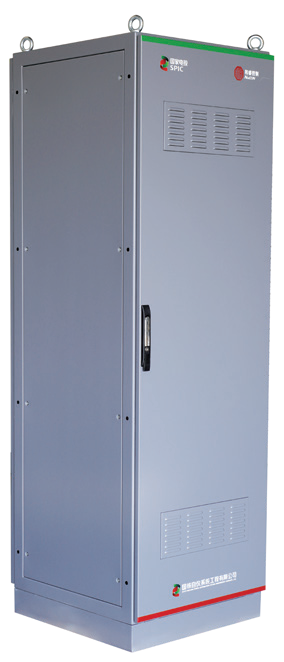

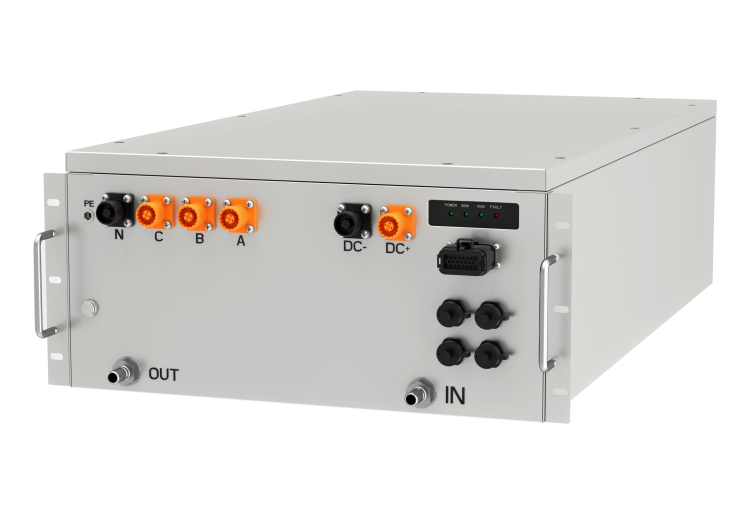
Mars (Liquid Cooling) Series Industrial and Commercial Energy Storage Converter High Protection Module
Shenzhen Winline Technology Co., Ltd.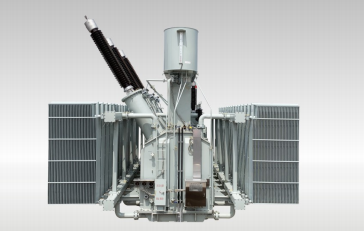
220kV and Below Voltage Level Energy-saving Oil-immersed Power Transformers
FuZhou TianYu Electric Co., Ltd.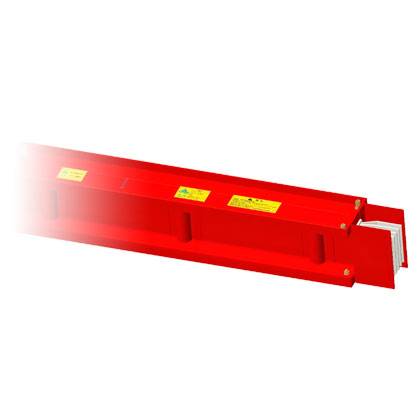
Mineral-insulated Compact Busway (Fire-resistant Busduct)
Zhuhai Guangle Electric Busway Co., Ltd.
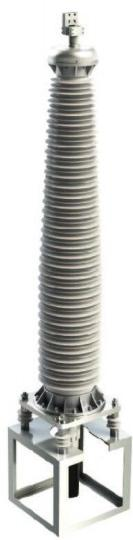
220kV Composite Outdoor Cable Terminal
Shenyang Guolian Cable Accessories Manufacture Co., Ltd.


Prefabricated Houses and Electrical Energy Boxes
Chengdu Ruilong Machinery Manufacturing Co., Ltd.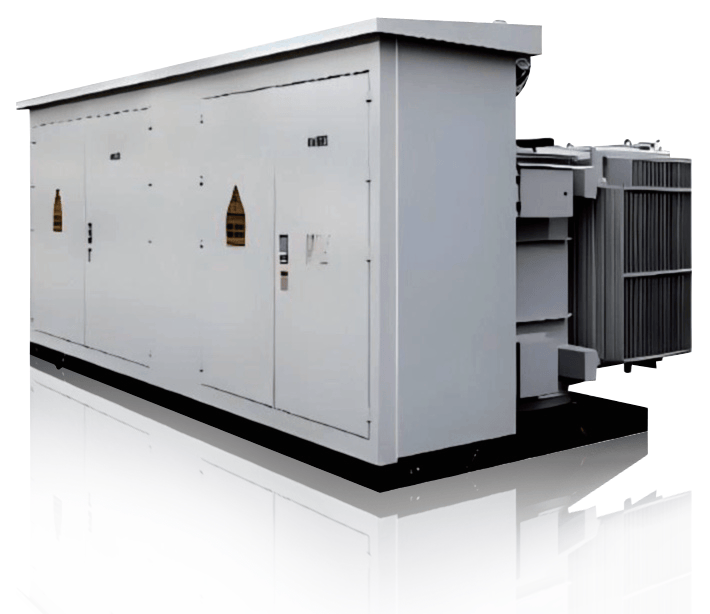
H-40.5/0.4~1.14kV New Energy Power Generation Dedicated High Voltage/Low Voltage Prefabricated Substation
XJ (Xiamen) Intelligent Power Equipment Co., Ltd.
Off-Grid Fuel Cell Supercharging Station (180kW Configuration)
Shanghai REFIRE Group Limited