Shanghai Undefeated as Port Surpasses 40 Million TEUs
Wedoany.com Report-Nov. 8, China’s major ports entered the fourth quarter of 2025 on a strong note, with Shanghai surpassing the 40 million TEU milestone despite continued global logistics uncertainty. Leading coastal hubs such as Shanghai and Ningbo-Zhoushan maintained robust growth momentum, underscoring the country’s solid performance in maritime trade.
Shanghai, the world’s busiest container port, handled 4.83 million TEU in September, representing a 13.6 per cent month-on-month increase. Its total throughput for the first nine months of 2025 reached 41.5 million TEU, up 6.2 per cent year-on-year. The figures highlight Shanghai’s ability to sustain efficiency and volume growth amid complex international supply chain dynamics.
Ningbo-Zhoushan, another major coastal gateway, recorded 3.83 million TEU in September, up 12.7 per cent from the previous month. This brought its year-to-date total to 32.5 million TEU, a 9.9 per cent rise compared with the same period last year. The port’s continued expansion reflects its strategic position in regional logistics and its integration with advanced multimodal transport systems.
Other leading Chinese ports also posted steady gains. Qingdao handled 2.8 million TEU in September, an increase of 6.5 per cent month-on-month, while Tianjin grew 3.3 per cent to 2.22 million TEU. Both ports benefited from strong regional cargo flows and resilient domestic manufacturing activity.
Shenzhen, following a busy summer season, saw throughput ease by 12.4 per cent to 2.63 million TEU. However, its volumes remained 5.4 per cent higher than the same period in 2024, supported by stable exports of electronics and consumer goods. Guangzhou processed 2.02 million TEU, down 5.6 per cent month-on-month but still 5 per cent above last year’s level, reflecting balanced trade recovery across South China.
Among the smaller but rapidly growing ports, Beibu Gulf stood out with a 12 per cent monthly surge to 840,000 TEU, highlighting Guangxi’s expanding role in trade with ASEAN markets. Yingkou advanced 11.4 per cent, Xiamen increased 4.9 per cent, and Dalian registered a modest 2.2 per cent gain. These results indicate strengthening regional connectivity and the continued diversification of China’s port network.
The consistent double-digit growth recorded at several major terminals demonstrates the resilience and competitiveness of China’s port sector. Despite external uncertainties in shipping schedules and global demand patterns, Chinese ports have continued to adapt through digitalisation, capacity optimisation, and improved logistics coordination.
Overall, the latest figures reaffirm China’s leading position in global maritime trade. The sustained throughput growth across key coastal and regional ports reflects not only efficient infrastructure and management but also the country’s ability to maintain stable trade flows and meet global shipping demand under evolving market conditions.
Related Products
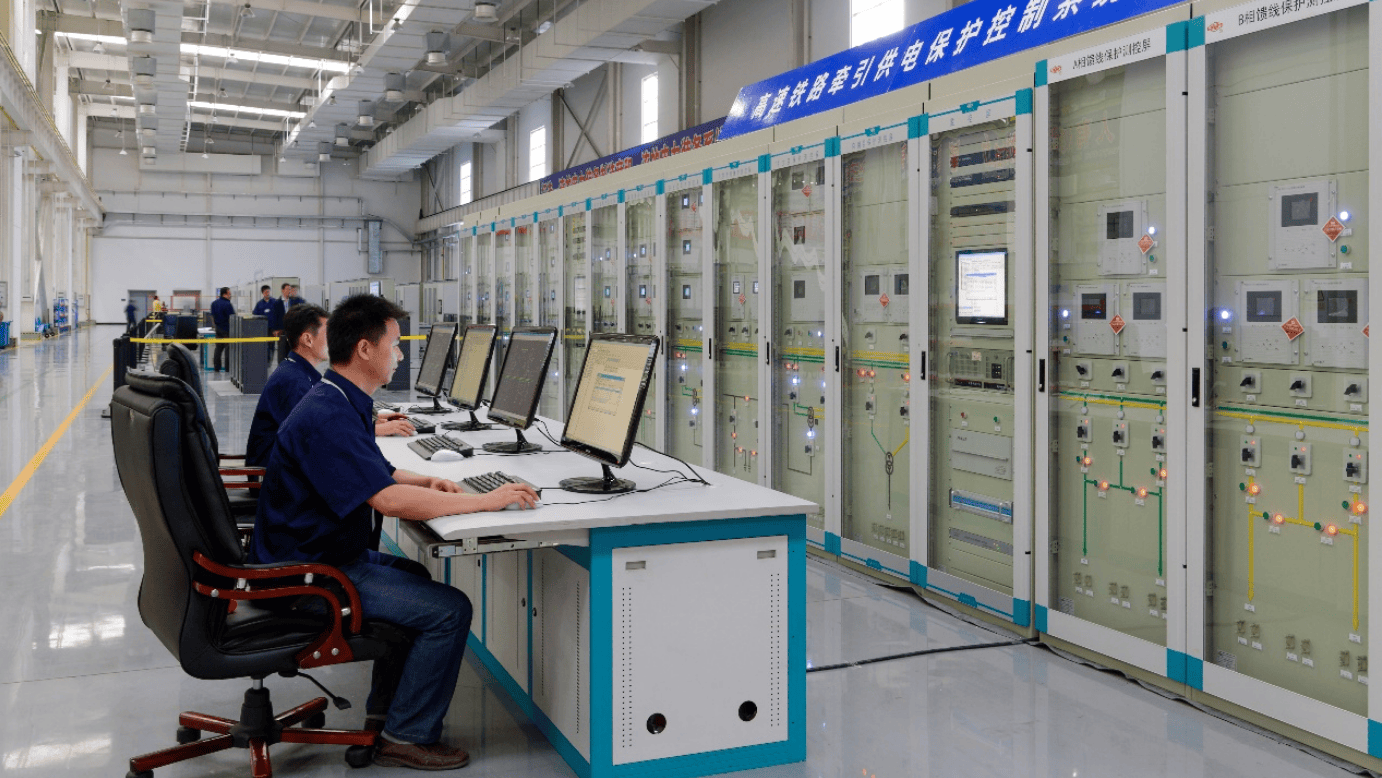


Pantograph-Catenary Comprehensive Detection Device (1C)
CHENGDU TANGYUAN ELECTRIC CO., LTD.


CLW5180TXSD6 Dongfeng Tianjin Washing and Sweeping Truck
ChengLi Special Automobile Co., Ltd.
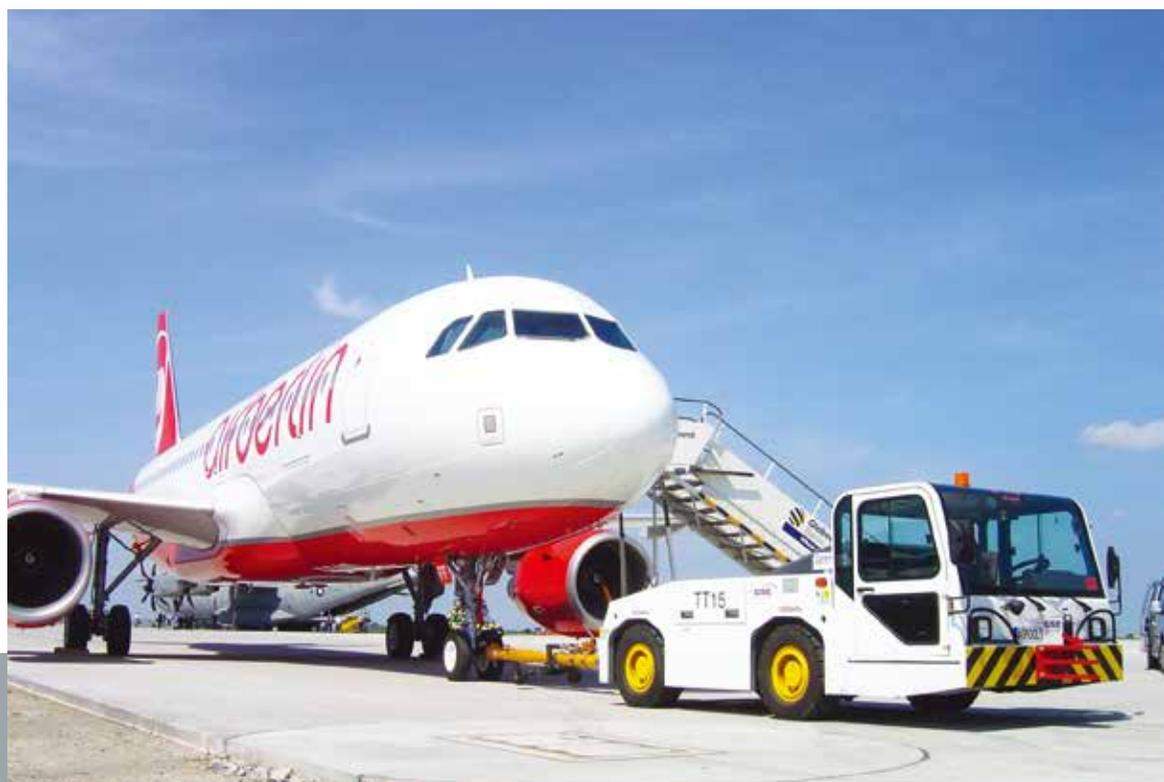
WGQY Series Aircraft Tow Tractor-WGQY15, WGQY27
Weihai Guangtai Airport Equipment Co., Ltd.
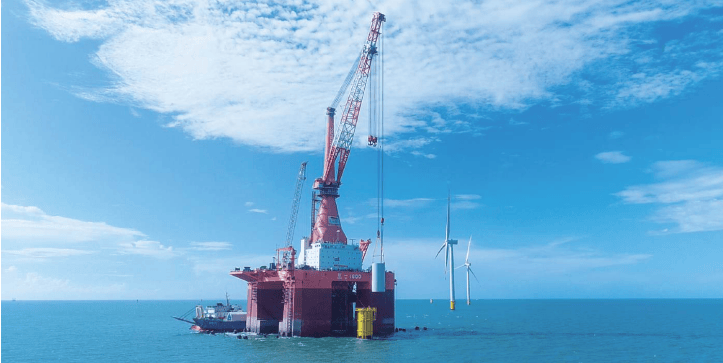
"Shunyi 1600" Deep-submerging Bottom-sitting Multi-functional Wind Power Engineering Vessel
Zhengli Offshore Engineering Co., Ltd.