Wedoany.com Report-Nov. 21, EU Trade Commissioner Maros Sefcovic stated that the European Union is ready to acquire direct equity stakes in Australian critical minerals projects and plans to release a list of targeted initiatives shortly.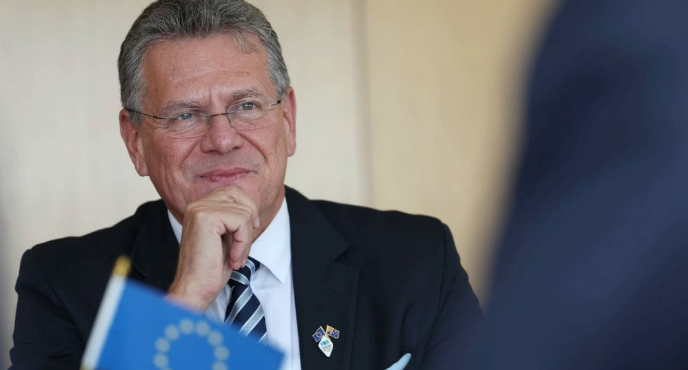
Trade Commissioner Maros Sefcovic
During a visit to Melbourne, Sefcovic met with Australian Resources Minister Madeleine King on Thursday to discuss potential financing mechanisms for specific developments. The talks focused on ensuring stable access to essential resources such as lithium and rare earths, which are crucial for sectors including artificial intelligence and defense applications.
"We did the first such selection of the projects where we would declare our official interest," Sefcovic told reporters in Melbourne. "That list should be published very, very soon."
The EU's approach draws inspiration from Japan's model of strategic investments in mining and processing facilities. Possible funding options include equity participation, long-term purchase agreements, or collaborative ventures. Supporting institutions could encompass the European Investment Bank, which recently committed to enhanced cooperation with Australia on critical minerals, along with national development banks and industrial firms offering advance payments for assured supply.
Sefcovic highlighted lessons from recent supply challenges: "We in Europe, we paid so much for dependencies over the last years," he said. "It started with Russian oil and gas. We know how much we overpaid when we had to diversify very quickly. We see how we are squeezed now on chips and some critical raw materials."
Australia's abundant reserves position it as a key partner for diversifying global supply chains amid vulnerabilities exposed by market fluctuations. The upcoming project list will signal formal EU interest and pave the way for concrete engagements.
Progress on a broader free trade agreement between the EU and Australia is also gaining traction. "We clearly have momentum," Sefcovic noted, expressing optimism for resuming negotiations in early 2026. Prior efforts stalled in 2023 over agricultural market access, with Australia seeking expanded opportunities for farm exports to Europe. The EU aims for improved entry to Australian minerals alongside reduced tariffs on manufactured products.
This collaboration aligns with mutual goals of building resilient resource networks. For Australia, it promises investment inflows to accelerate project development and job creation in remote regions. For the EU, it supports industrial competitiveness and sustainability targets by fostering diversified sourcing.
The initiative reflects a proactive shift toward partnership-driven security in essential materials, benefiting both economies through shared expertise and long-term stability. As the list emerges, it could catalyze further joint efforts, enhancing bilateral ties in resource and trade domains.