Trump States: US to Impose Tariffs on Global Aluminum Scrap in 2026
Former US President Trump recently indicated a potential plan to impose tariffs on global aluminum scrap in 2026. This policy move has drawn widespread market attention, as aluminum scrap, being a strategic resource, may face adjustments in its trade landscape. Aluminum recycling saves approximately 95% of energy compared to primary production, and its importance is increasingly prominent against the backdrop of global sustainable development efforts.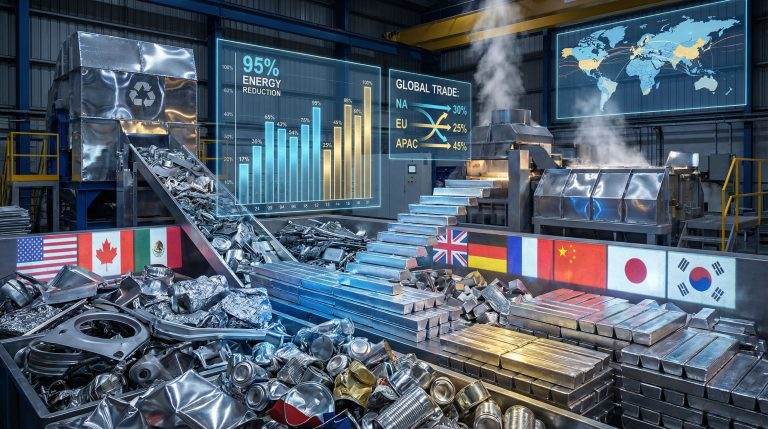
Data shows that from May to December 2025, the United States imported 581,000 metric tons of aluminum scrap, valued at $1.53 billion. Canada and Mexico together accounted for 89% of total US aluminum scrap shipments, indicating a high degree of regional concentration. This concentration presents both opportunities and increased risks when trade policies change.
The trade policy of the Trump administration focuses on addressing so-called "economic emergencies." Since April 5, 2025, the US has imposed tariffs of 10% or more on almost every trading partner. As of the start of Trump's second term, the US Treasury has collected nearly $284 billion in tariffs, an increase of $204 billion compared to the same period last year.
However, research from the Federal Reserve Bank of New York points out that US companies and consumers bear about 90% of the tariff burden, with minimal costs passed on to foreign producers. On February 20, 2026, the US Supreme Court, in a 6-3 ruling, overturned tariffs implemented under the International Emergency Economic Powers Act. Chief Justice John Roberts emphasized, "The Constitution grants Congress alone the power to impose tariffs in peacetime." This decision limits the role of executive power in trade matters.
Trade barriers lead to regional price premiums, typically 30-40% higher than global benchmarks, creating cost pressures for downstream manufacturers. Canadian data indicates that total exports to the US in 2025 were CAD 556 billion, a 6% decrease from 2024; meanwhile, Canada's exports to non-US countries reached a record CAD 21 billion in December 2025, a 30% increase, showing a trade diversion effect.
The USMCA provides essentially duty-free access for aluminum scrap among member countries, but uncertainties remain regarding how alternative tariff authorities interact with the agreement. Ongoing trade tensions are accelerating structural changes in global aluminum flows. A Canadian Chamber of Commerce official stated, "Using new, more blunt mechanisms to reassert trade pressure could have broader and more disruptive effects."
Companies are adopting strategies such as supply chain regionalization, long-term contract negotiations, and inventory optimization to cope with trade policy uncertainty. Market leaders increasingly emphasize building resilience rather than simply optimizing efficiency. The evolution of aluminum scrap trade policy reflects a shift towards economic nationalism and prioritizing supply chain security.
The experience of the aluminum industry shows that trade integration creates efficiency gains but also generates vulnerabilities that become apparent during periods of political tension. Organizations capable of quickly adapting to trade dynamics and maintaining operational flexibility will be better positioned to navigate future challenges.
Related Products

Linyi Steel Investment Special Steel 2.7 Million Tons per Year High-quality Special Steel Project
Capital Engineering & Research Incorporation Limited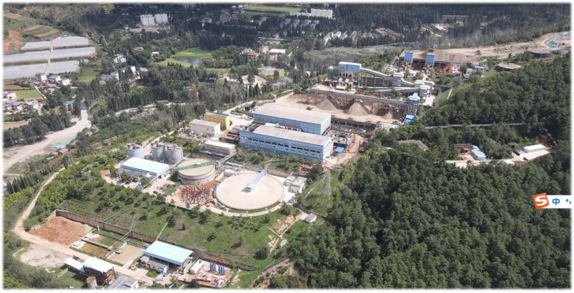
Yunnan Phosphorus Chemical Group Co., Ltd. 2 Million t/a Phosphorus Ore Mining and Beneficiation Project
China Bluestar Lehigh Engineering Corporation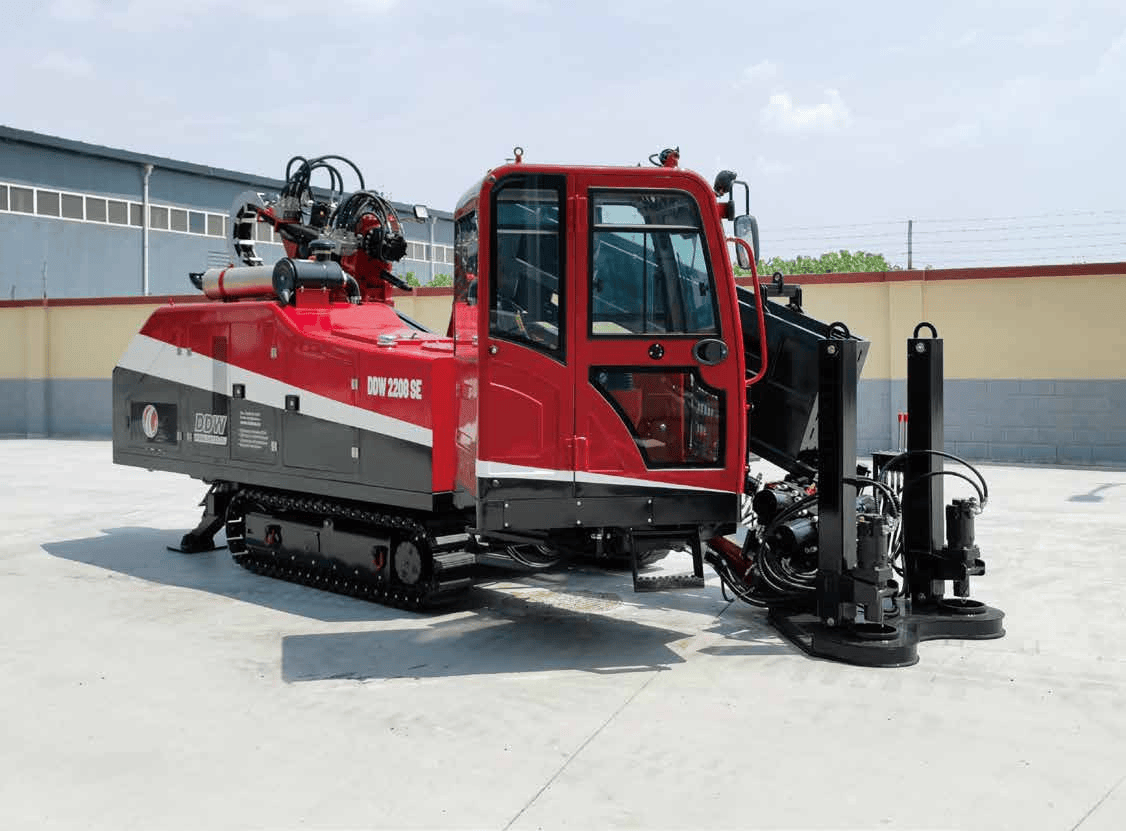
DDW22/08SE-HORIZONTAL DIRECTIONAL DRILL
DW/TXS Construction Equipment (Beijing) Co., Ltd.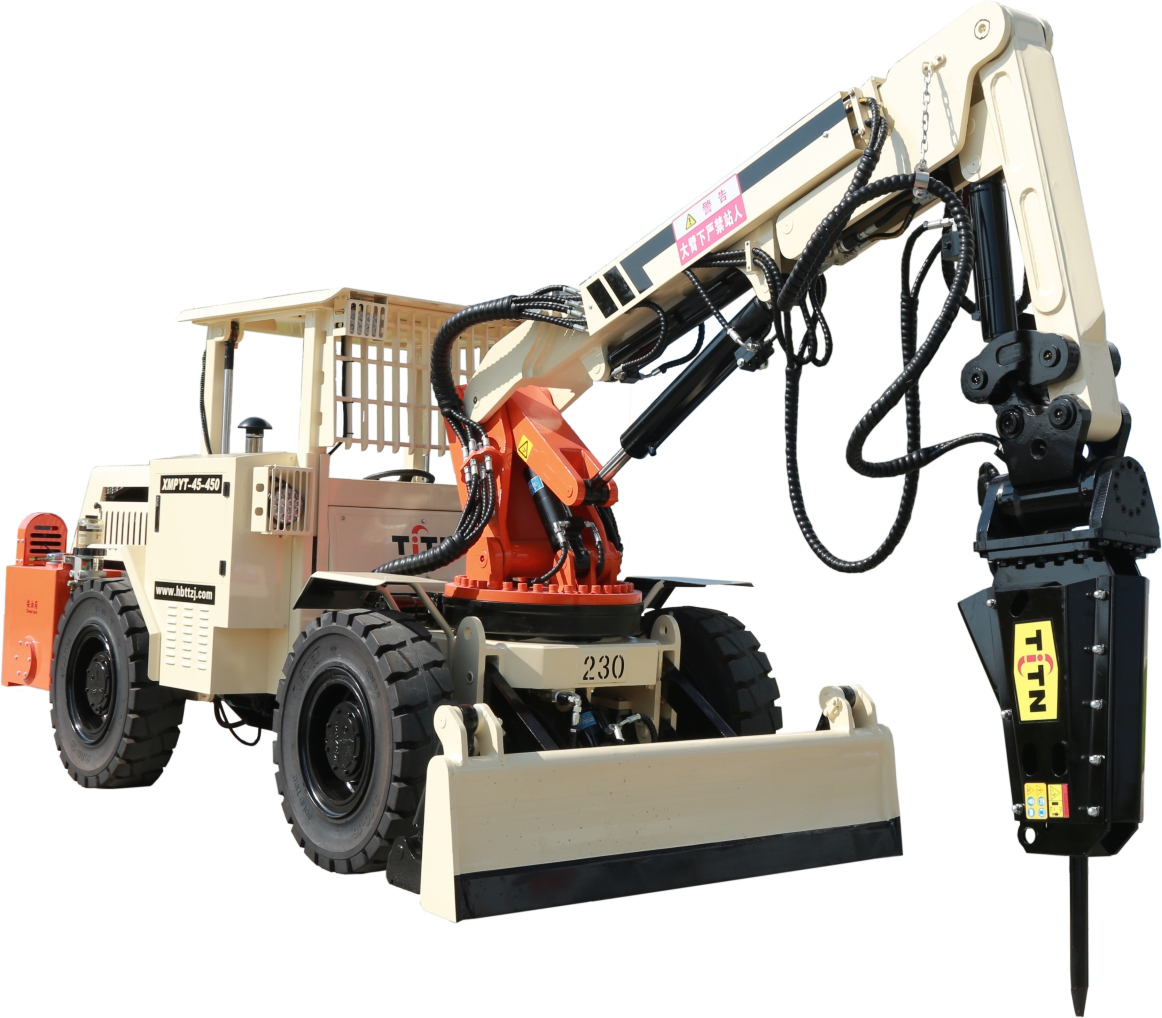
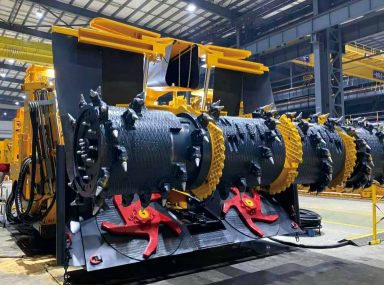
Integrated Excavation and Anchoring Machine (EJM Series)
China Railway Construction Heavy Industry Corporation Limited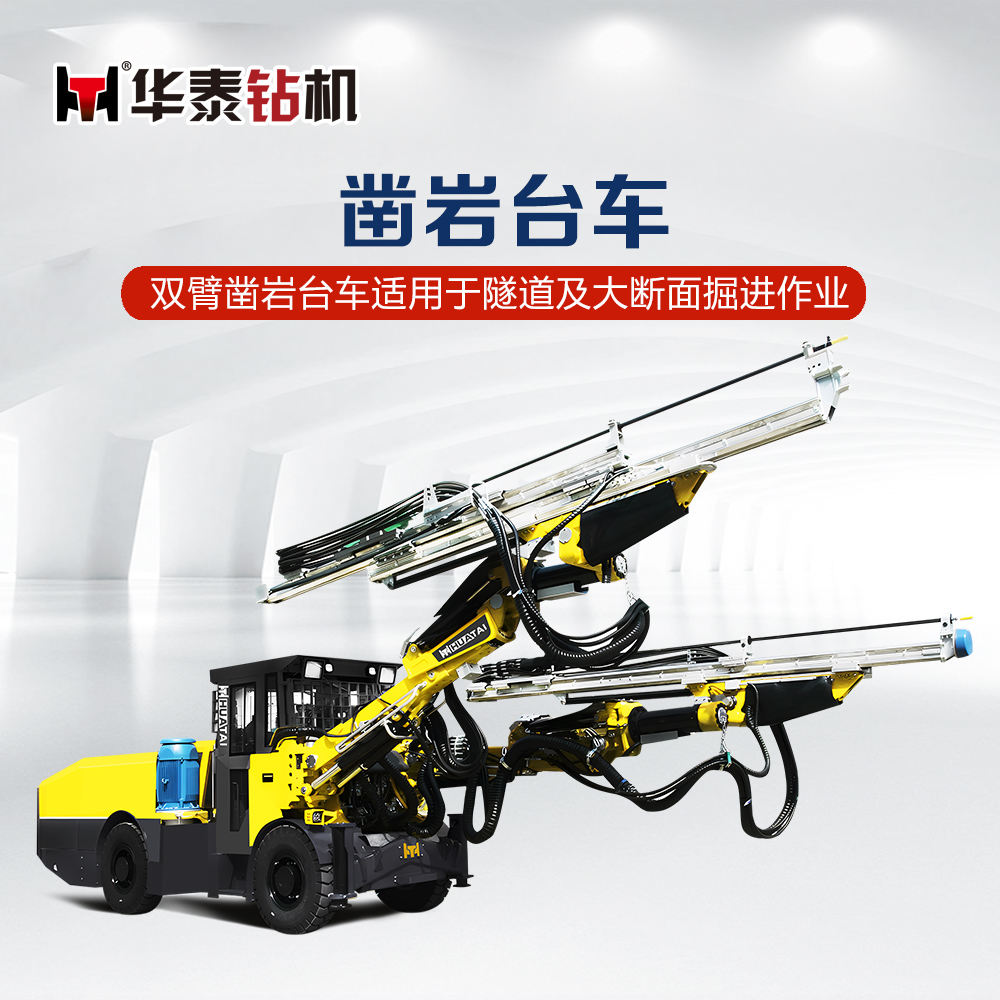
CYTJ45/2 Mining Hydraulic Tunneling Drill Rig
Zhangjiakou Xuanhua Huatai Mining and Metallurgical Machinery Co., Ltd.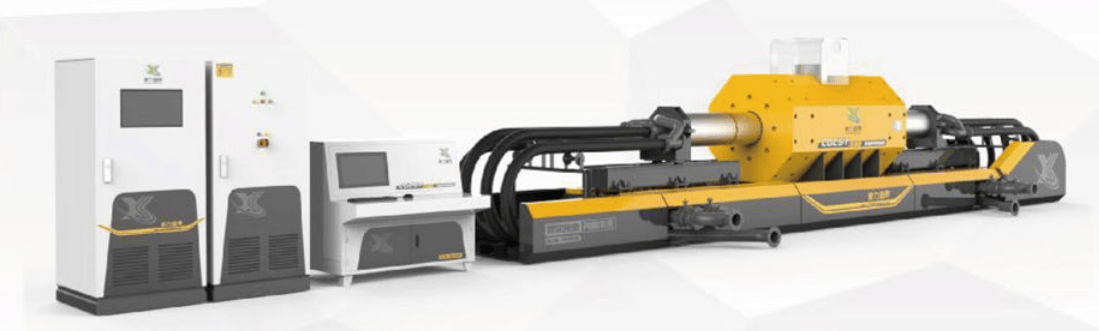
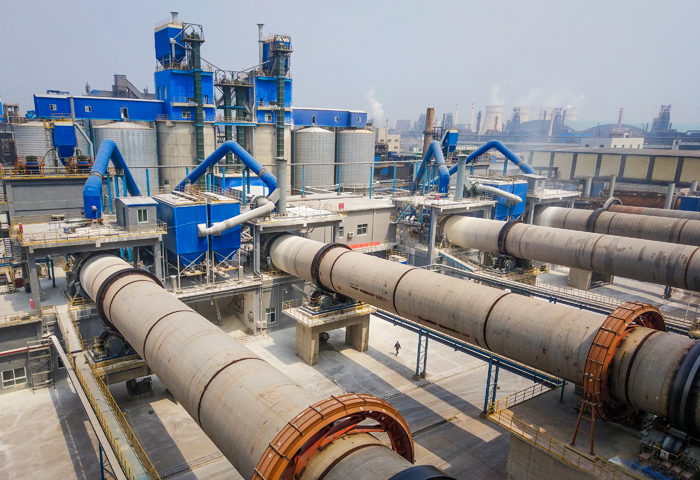
CITIC Heavy Industries Metallurgical Equipment Steel Smelting Engineering Equipment
CITIC Heavy Industries Co., Ltd.
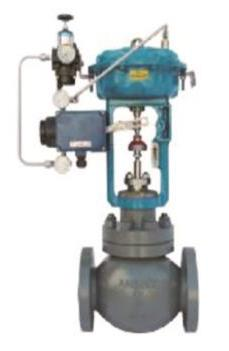
Quick-Change Single-Seat Control Valve / Quick-Change High-Pressure Single-Seat Control Valve
Beijing Consen Automation Technology Co., Ltd.