Microsoft's New Gaming CEO Asha Sharma Vows to Prevent AI Content Proliferation
Recently, Microsoft underwent a highly anticipated high-level personnel adjustment internally, officially announcing a significant change in its gaming business leadership team. Former Gaming CEO Phil Spencer and Xbox President Sarah Bond are leaving the company, concluding their many years of leadership within Microsoft's gaming division. Stepping into Spencer's role is Asha Sharma, a former senior executive at Instacart and Meta, who previously served as President of Microsoft's CoreAI products. This appointment is interpreted by external observers as a key signal that Microsoft is accelerating the deep integration of artificial intelligence technology with the gaming industry.
In fact, Microsoft has made several strategic moves in recent years exploring the convergence of AI and gaming. The company is actively developing AI-driven gaming companion features internally and previously released an AI-generated experimental level for *Quake II*, which, despite some technical flaws, showcased the potential of generative AI in game content production. According to an internal memo obtained by The Verge, Sharma stated to her team upon assuming the new role that she would "invent new business models and forms of gameplay," emphasizing that "both monetization and AI will continue to evolve and profoundly impact the future trajectory of the gaming industry."
It is noteworthy that Sharma specifically addressed concerns in the memo about potential negative impacts from AI's involvement in the creative industries. She wrote, "Games are, and always will be, art—crafted with human intelligence and realized using the most cutting-edge technologies we provide." These remarks are seen as a clear response to trends of excessive commercialization, technology misuse, and the proliferation of "soulless AI content." She further stated that the team would adhere to three core commitments moving forward: creating high-quality games that players genuinely love, prioritizing the development of the Xbox platform ecosystem, and preserving the humanistic essence of games in innovation.
This leadership transition not only signals Microsoft's strategic repositioning regarding game content creation, platform operations, and the path of AI integration but also sends a clear message to the market: while exploring technological empowerment, Microsoft still seeks to find a balance between commercial efficiency and artistic expression. Facing increasingly fierce competition in the global gaming market, Microsoft is attempting to gain a first-mover advantage in the AI wave by introducing a new generation of leaders with cross-industry experience and technical backgrounds, while simultaneously upholding the fundamental nature of games as a creative industry.
Related Products



GYTA Type Non-Self-Supporting Aerial/Duct Optical Cable
TONGDING INTERCONNECTION INFORMATION CO., LTD.


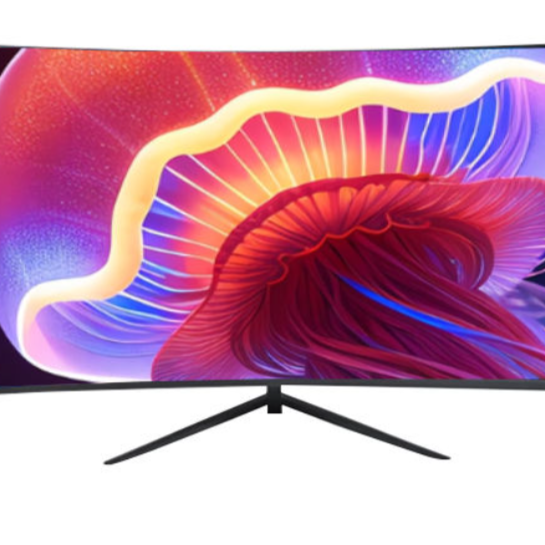
20 Inch 1600*900 Full HD 60Hz TFT LED Monitor with VGA and DP Interfaces for Desktop Computers-Business Use
Guangzhou Zanying Optoelectronics Technology Co., Ltd.




MUX Series Communication Interface Device for Security and Stability Control System
Nanjing NR Electric Co., Ltd.