Wedoany.com Report-Nov. 22, As of 19 November 2025, Ukraine’s cumulative grain and leguminous crop exports for the 2025/26 marketing year (July–June) reached 11.149 million tonnes, according to official figures released by the Ministry of Agrarian Policy and Food of Ukraine. This total is 6.054 million tonnes, or 35.1%, lower than the volume exported during the corresponding period of the 2024/25 marketing year.
Wheat remains the dominant export commodity, with 6.923 million tonnes shipped since the beginning of the current marketing year. While this represents a substantial volume, it is 1.696 million tonnes (19.6%) less than the amount exported by the same date in the previous season.
Barley exports amounted to 1.150 million tonnes, reflecting a year-on-year decrease of 36.4%. Rye shipments were negligible, totalling only 0.2 thousand tonnes.
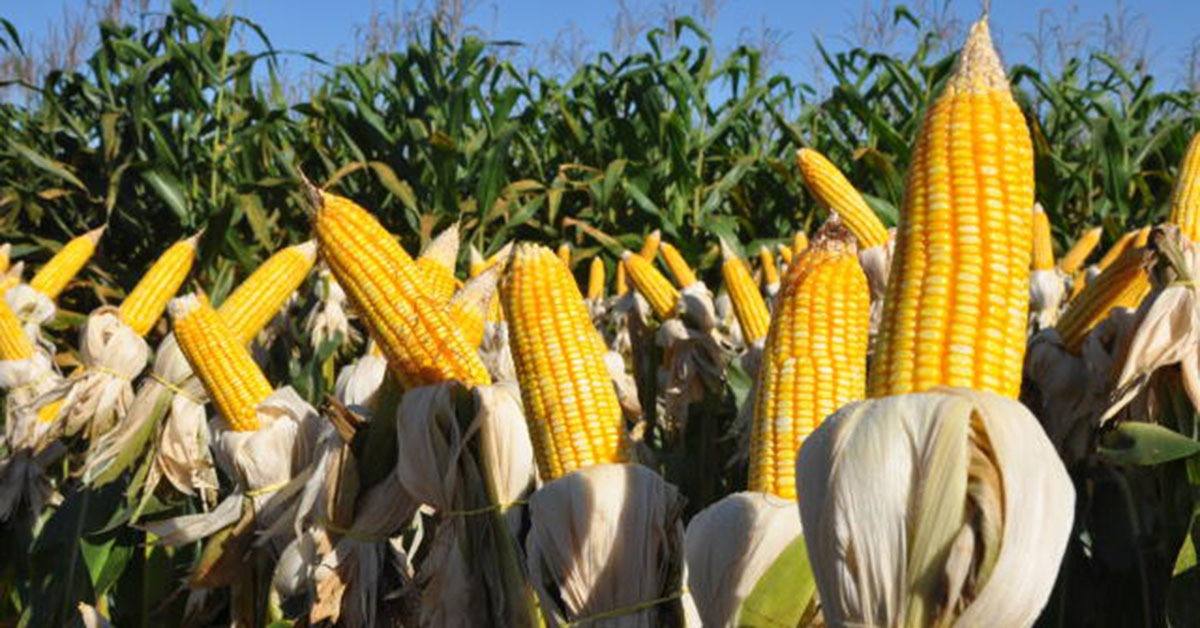
Corn exports experienced the most significant reduction, reaching 2.874 million tonnes, a drop of 3.596 million tonnes or 55.5% compared with the same period last year. This lower corn volume is attributed to a combination of smaller harvested area in certain regions and ongoing logistical challenges affecting outbound flows.
In addition to grains, Ukraine exported 24.9 thousand tonnes of wheat flour, equivalent to approximately 33.2 thousand tonnes in grain terms. This flour volume is 4.9 thousand tonnes (16.4%) lower than shipments recorded by 19 November 2024.
Despite the year-on-year declines, Ukraine continues to fulfil a critical role as a major supplier of wheat, corn, and barley to international markets, particularly in Europe, the Middle East, North Africa, and Asia. The reduced export pace in the first five months of the 2025/26 marketing year largely reflects lower domestic production for some crops and constraints on transportation capacity.
The Ministry’s data underscores that, while export volumes remain substantial, they have not yet regained the levels seen in previous seasons. Market participants will continue monitoring harvest progress, port operations, and alternative export routes as the marketing year progresses. Final export outcomes for 2025/26 will depend on crop yields in remaining regions, weather conditions through the winter, and the effectiveness of ongoing logistical arrangements.