Wedoany.com Report-Nov. 30, Brazil added 6.4 GW of distributed generation capacity (systems up to 5 MW) between January and September 2025, down from 7.3 GW recorded in the same period of 2024. If the current pace continues, full-year additions are projected to reach approximately 8.5 GW, marking the first annual decline since 2010.
The residential segment remained the primary driver, contributing 3.5 GW during the nine-month period, followed by commercial installations (1.5 GW), rural systems (734 MW), and industrial systems (497 MW). Year-on-year comparisons for January–September show decreases of 10 percent in residential, 21 percent in commercial, 6 percent in rural, and 19 percent in industrial capacity additions.
São Paulo led new installations with 830 MW, followed by Minas Gerais (687 MW) and Paraná (600 MW). By region, the Southeast added 2 GW, the Northeast 1.5 GW, the Central-West 1.2 GW, the South 982 MW, and the North 638 MW.
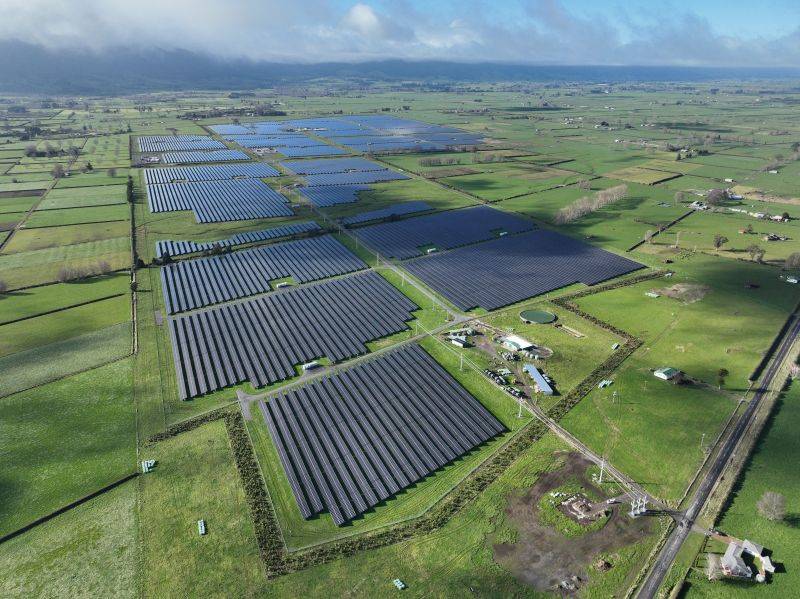
During the same period, the Northeast region overtook the South in cumulative distributed solar capacity, reaching 9.2 GW compared with 8.9 GW in the South.
Nationwide, Brazil's total distributed generation capacity now stands at 43 GW. When combined with 19 GW from large-scale centralized solar plants, the country's operational photovoltaic capacity has reached 62 GW.
Market participants note that registration delays at the National Electric Energy Agency (Aneel) typically lag real-time connections by about three months, suggesting final 2025 figures may be revised upward once all data are recorded.