Construction Begins on Engie’s Pelican Point BESS in South Australia
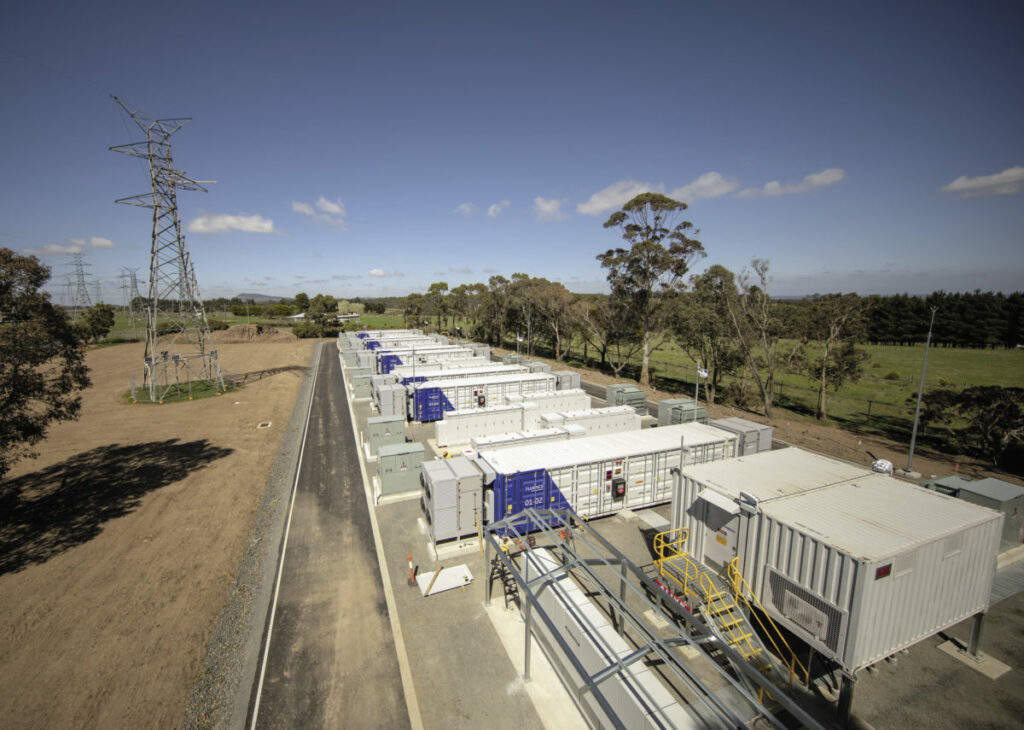
Wedoany.com Report-Dec.11, Sungrow and Engie have begun construction on the 200 MW/400 MWh Pelican Point grid-forming battery energy storage system (BESS) in South Australia. The project, developed in collaboration with Elecnor and ElectraNet, will enhance stability and flexibility in the state's renewable-heavy electricity network.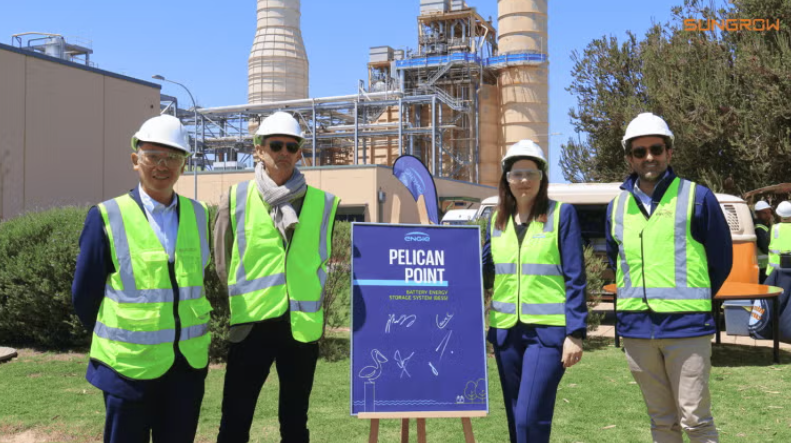
Operations are set to begin in H2 2027.
Situated next to the Pelican Point power station in Outer Harbour, Adelaide, the facility is scheduled to enter commercial operation in the second half of 2027. It represents Sungrow's first grid-forming BESS deployment in South Australia.
The system will integrate with the upgraded gas-fired plant to create a hybrid energy solution capable of delivering rapid-response power and essential grid services. Once operational, the BESS will store and supply sufficient energy to meet the needs of more than 29,400 average South Australian households during peak periods.
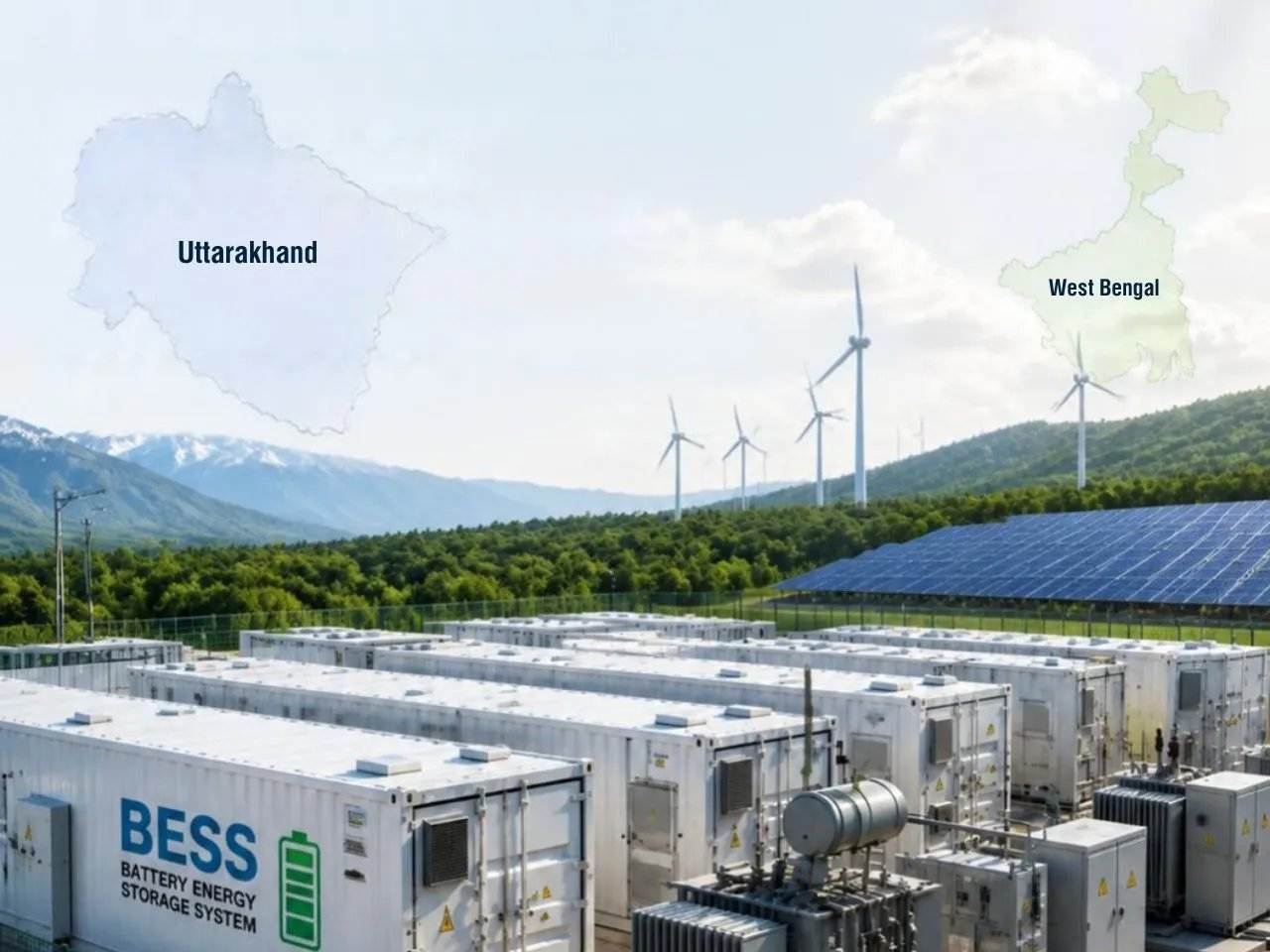
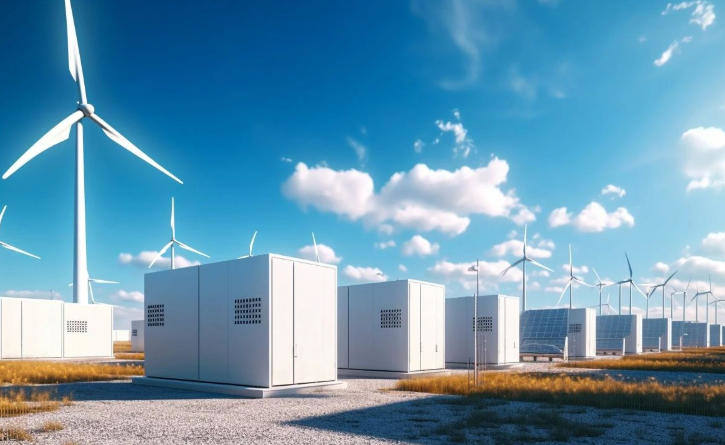
Sungrow is supplying a comprehensive technology package, including grid-forming skids with SC6900UD-MV power conversion system inverters, medium-voltage transformers, and ring main units for efficient bidirectional power flow. The storage component uses preassembled ST5015UX liquid-cooled battery containers from the PowerTitan 2.0 series, designed for high energy density, safety, and extended service life.
Sungrow Australia country director Joe Zhou stated: "The Pelican Point BESS marks an important step in Australia's clean energy evolution. By combining Sungrow's advanced grid-forming technology with Engie's commitment to a carbon-neutral future, we're delivering a solution built for today's needs and tomorrow's energy system. We're proud to support South Australia as it continues to lead Australia in renewable integration."
The project will strengthen South Australia's ability to manage high levels of wind and solar generation while maintaining system reliability. It forms part of the state's broader strategy to increase energy storage capacity and support the integration of variable renewable resources.
All electricity generated and stored will serve domestic consumption within South Australia and does not involve exports or imports. The initiative focuses exclusively on enhancing local grid performance and facilitating the ongoing transition to lower-carbon energy supply in the region.
Related Products

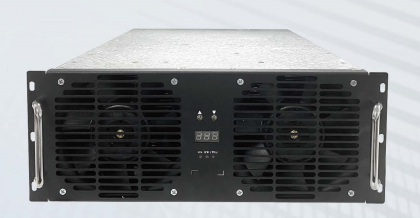
80kW Megawatt Supercharging Module TH80F10030C9
Shijiazhuang Tonhe Electronics Technologies Co., Ltd.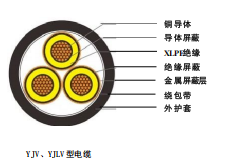
Rated Voltage 6-35kV Cross-linked Polyethylene Insulated Power Cable
TONGDING INTERCONNECTION INFORMATION CO., LTD.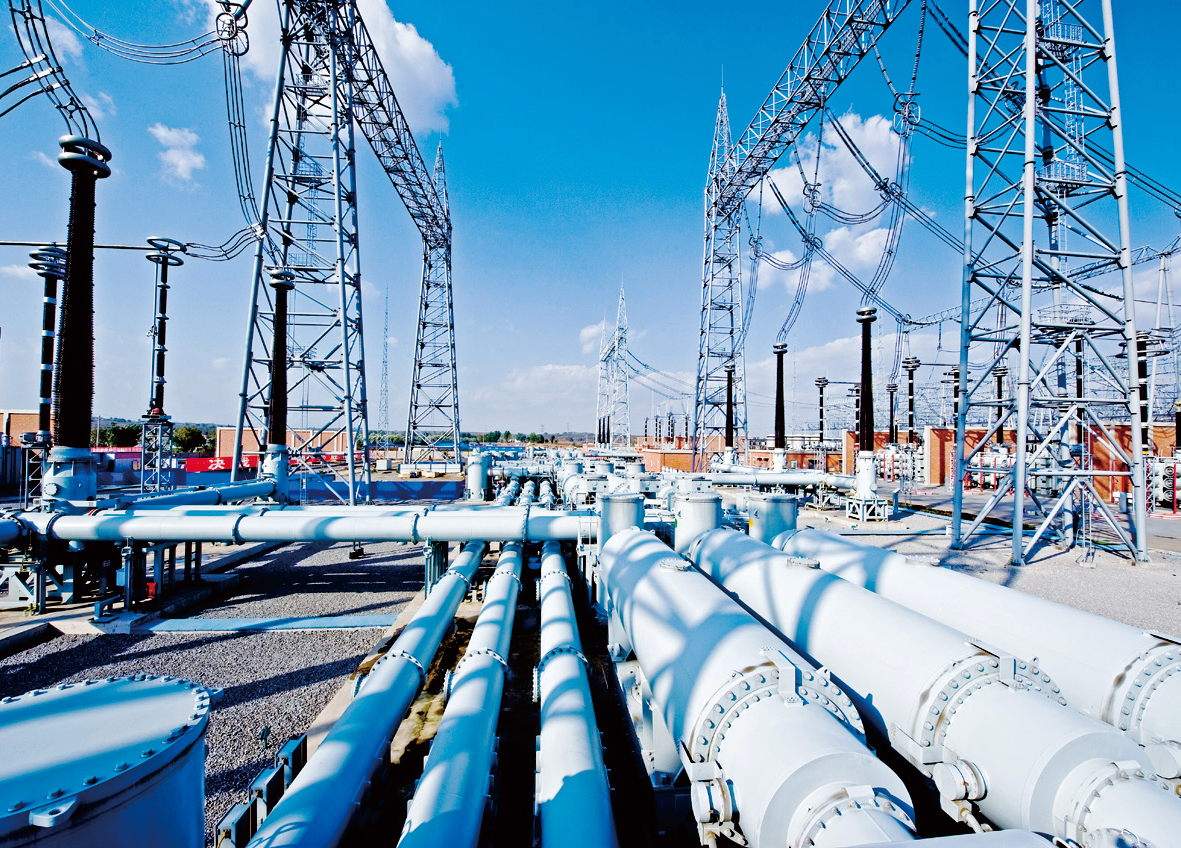
40.5kV-1100kV Gas Insulated Metal-Enclosed Switchgear (GIS)
Henan Pinggao Electric Co., Ltd.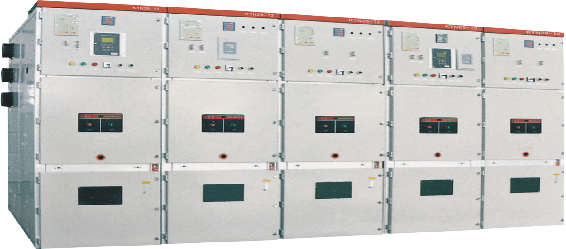
KYN28-12/24 Indoor High-Voltage Metal-Clad Removable Switchgear
Shenzhen Zhaoyang Hui Technology Co., Ltd.
Industrial and Commercial Point-Type Gas Detector
Jinan Benan Technology Development Co., Ltd.