ZTT Starts Manufacturing Export Cables for Baltica 2 Offshore Wind Farm
Wedoany.com Report-Dec.14, ZTT Submarine Cable & System has officially started manufacturing the export cables for the 1.5 GW Baltica 2 offshore wind farm in the Polish Baltic Sea. The project is developed jointly by Denmark’s Ørsted and Poland’s PGE Polska Grupa Energetyczna.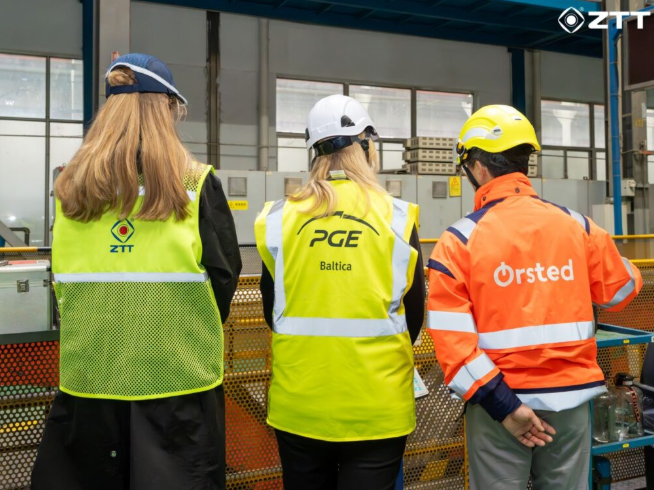
Under contracts awarded in 2023, ZTT Submarine Cable & System and Greece-based Hellenic Cables will supply the high-voltage export cables, while Boskalis will handle installation. The scope includes four 275 kV export cables with a combined length of nearly 300 kilometres, connecting the offshore wind farm to the Polish mainland grid.
Ørsted and PGE reached final investment decision (FID) on Baltica 2 at the beginning of 2025, supported by PLN 11.1 billion (approximately €2.6 billion) in financing from 24 Polish and international lenders, including the European Investment Bank (EIB) and the European Bank for Reconstruction and Development (EBRD).
Seabed preparation work began in August 2025, with Boskalis clearing routes for both export and inter-array cables. Export cable installation, along with offshore substations and monopile foundations, is scheduled to start in 2026. Inter-array cables will follow, and wind turbine installation is planned for 2027, enabling full commercial operation by the end of that year.
Located approximately 40 kilometres offshore near Ustka, Baltica 2 will feature 107 Siemens Gamesa 14 MW-222 turbines. Installation of the turbines will be carried out by Cadeler and Fred. Olsen Windcarrier, with Gdansk Port serving as the main hub for component storage, pre-assembly, and load-out.
Baltica 2 forms the first phase of the larger Baltica Offshore Wind Farm, which will combine Baltica 2 and the future Baltica 3 project to reach a total capacity of 2.5 GW. Baltica 3 is targeted for full operation before the end of the decade.
Once completed, Baltica 2 will significantly contribute to Poland’s renewable energy targets and support the country’s transition toward low-carbon electricity generation in the Baltic Sea region. The project marks an important milestone in the continued expansion of offshore wind capacity across Central and Eastern Europe.
Related Products
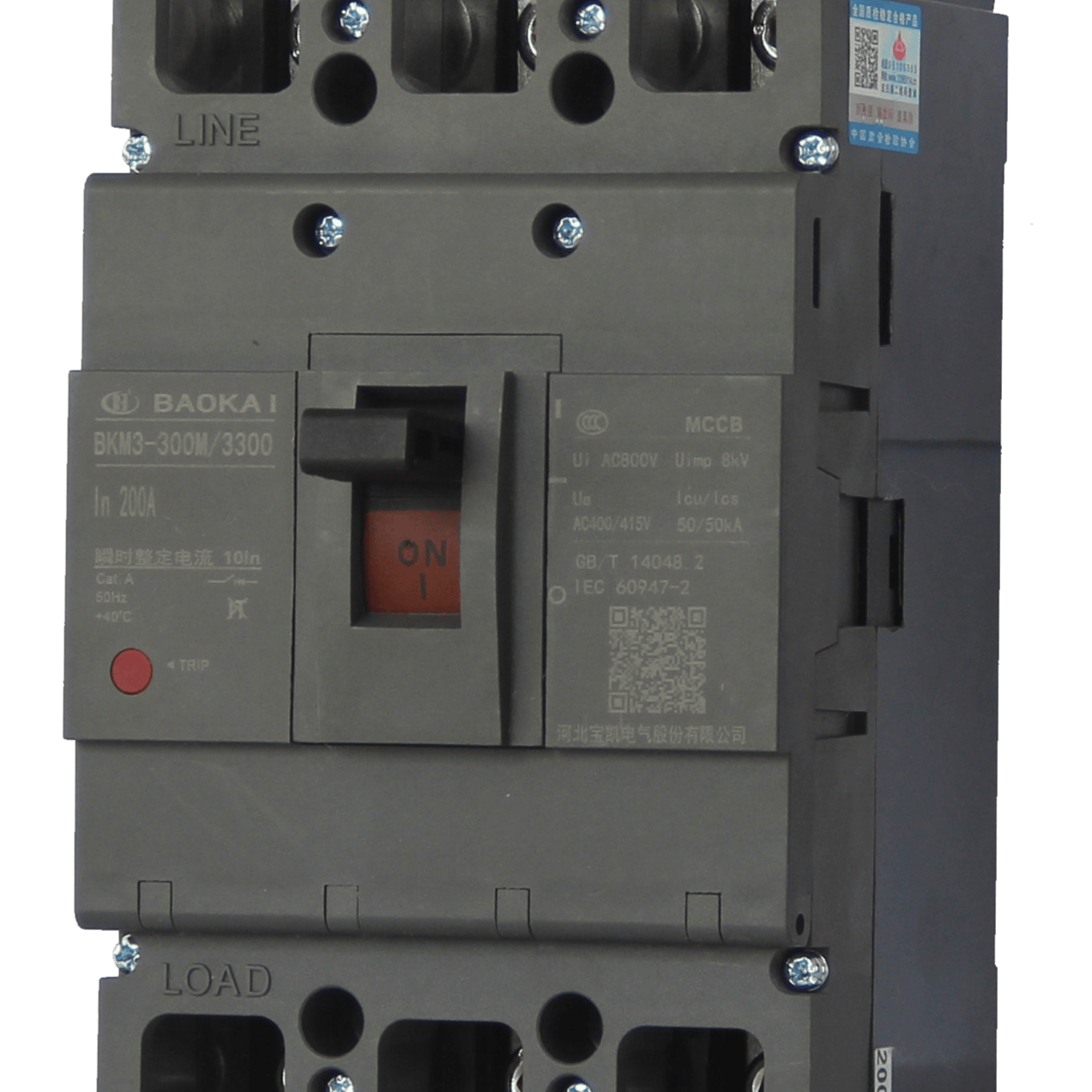

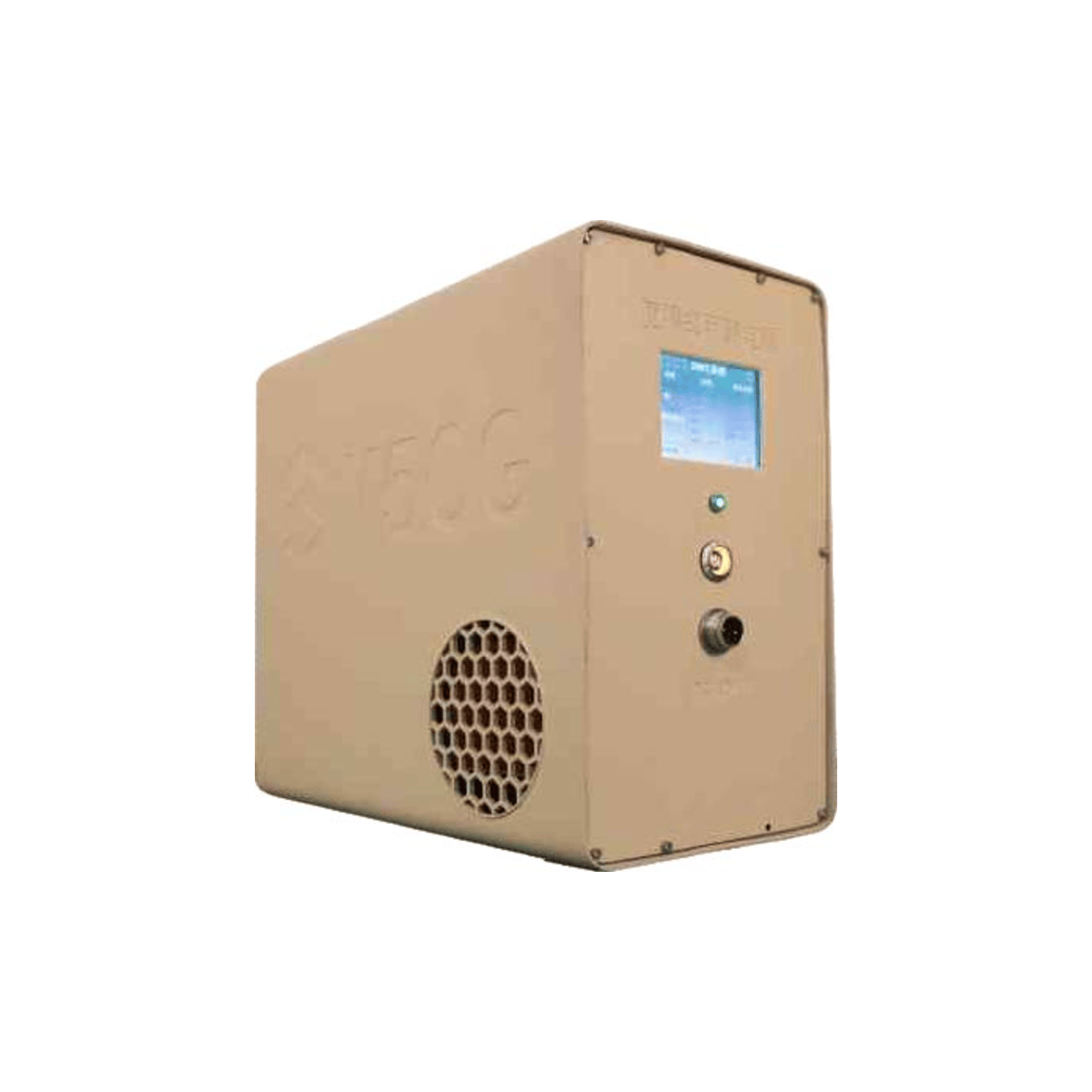
SFC-60 Individual Portable Power Supply, High Specific Energy Methanol Portable Power Supply
Automation Research Institute Co., Ltd. of China South Industries Group Corporation
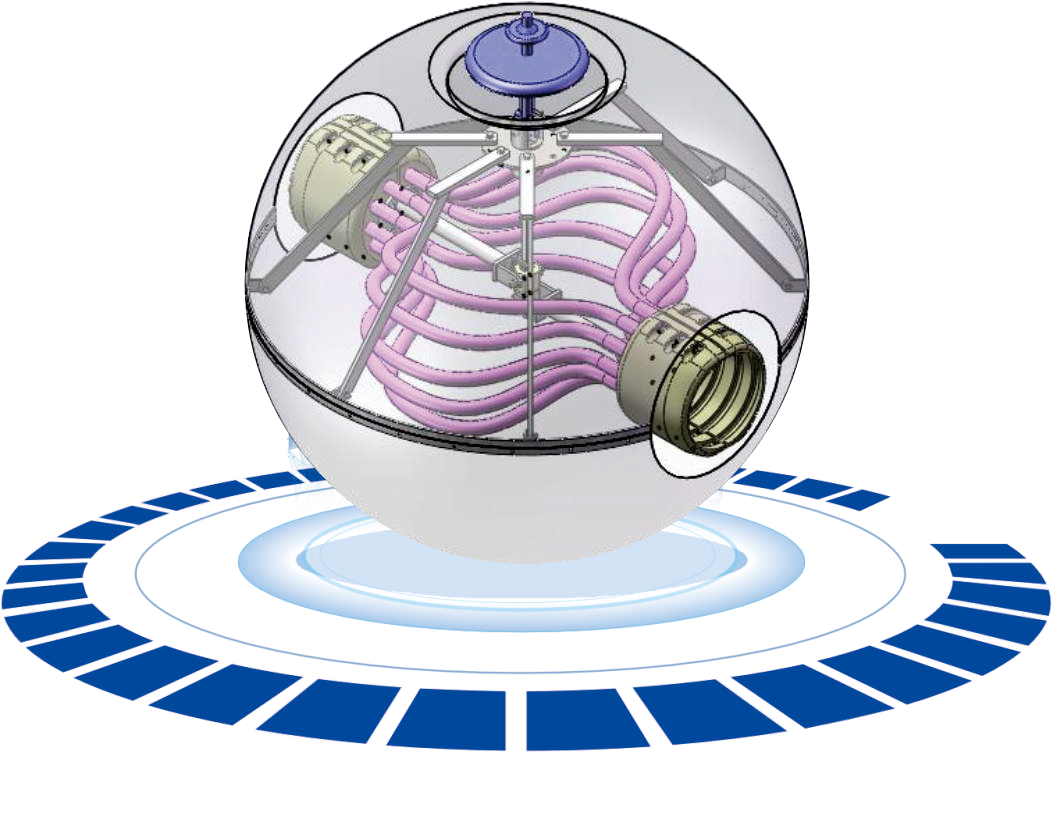
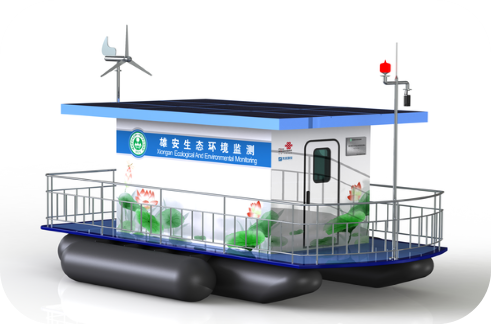
Floating Boat Water Quality Automatic Monitoring System
Hebei Sailhero Environmental Protection High-tech Co., Ltd.
CAP1400 main feedwater flow nozzle flowmeter.
Jiangsu Hongda Instrument Technology Co., LTD.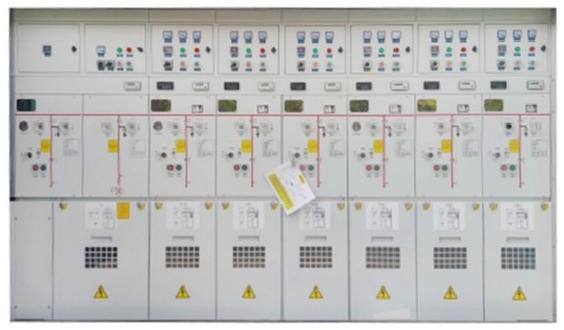
NISELA Series Environmentally Friendly Gas-Insulated Ring Main Unit
XJ DELISHIER ELECTRIC CO., LTD.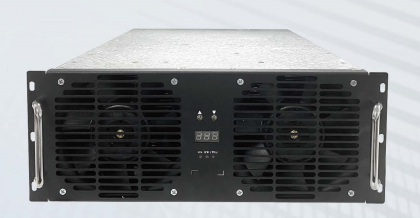
80kW Megawatt Supercharging Module TH80F10030C9
Shijiazhuang Tonhe Electronics Technologies Co., Ltd.
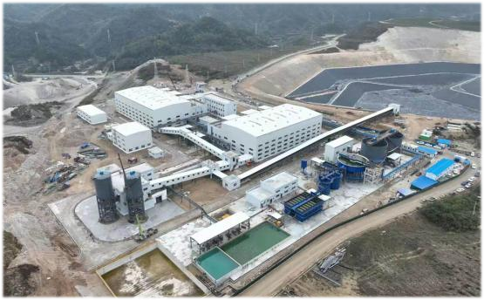
Yingping Mining Section Open-pit Tailings Backfill Treatment of Goaf Ecological Restoration EPC Project
China Bluestar Lehigh Engineering Corporation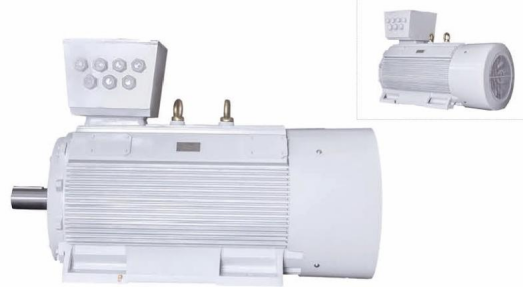
YE3 Series Low Voltage High Power Three-Phase Asynchronous Motor
Shandong Lijiu Electrical Machinery Co., Ltd.