On December 24, the annual natural gas production of Bozi-Dabei Gas Field, China's largest ultra-deep gas condensate field operated by PetroChina's Tarim Oilfield, exceeded the 10 billion cubic meter mark. Simultaneously, it produced 918.9 thousand tons of condensate oil, injecting strong "momentum" into enhancing natural gas supply capacity and safeguarding national energy security.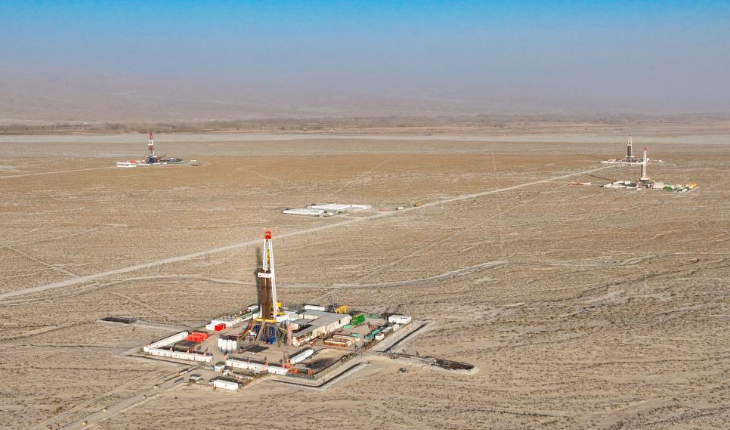
Located at the southern foot of the Tianshan Mountains and the northern edge of the Tarim Basin in Xinjiang, the Bozi-Dabei Gas Field is another trillion-cubic-meter-level gas region discovered by Tarim Oilfield in the ultra-deep layer, following the Kela-Keshen trillion-cubic-meter gas region. It is also one of the main gas sources for the West-East Gas Pipeline and the South Xinjiang Gas Pipeline for People's Livelihood. Unlike most medium-shallow, normal-pressure oil and gas reservoirs worldwide buried between 1,500 and 4,000 meters deep, this gas field is generally buried 6,000 to 8,000 meters underground, featuring extremely complex geological structures and characteristics such as ultra-deep burial, ultra-high temperature, ultra-high pressure, and low porosity and low permeability. Its exploration and development difficulty is described as "rare in the world and unique in China."
In the face of these challenges, Tarim Oilfield innovated reservoir stimulation techniques, achieving large-scale and cost-effective development of the ultra-deep complex gas condensate field, with the average daily gas production per well reaching as high as 280,000 cubic meters. Based on the calculation that a three-person household uses 0.5 cubic meters of natural gas per day, the daily gas output from a single well here can meet the daily gas demand of 1.68 million people.
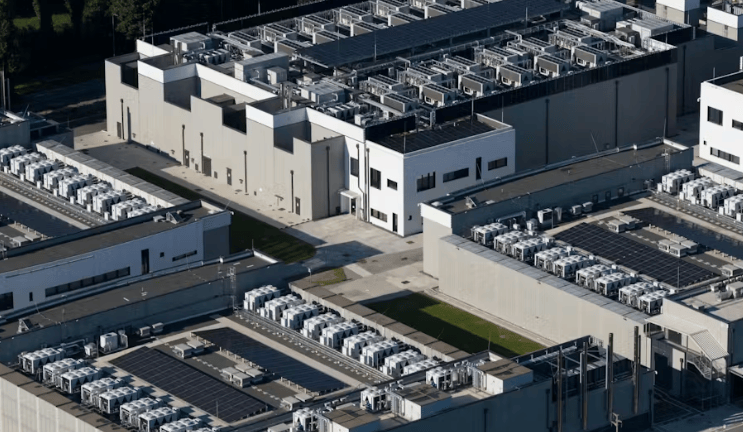
Since the start of the 14th Five-Year Plan period, Tarim Oilfield has accelerated the pace of increasing condensate oil and gas production, launching the Bozi-Dabei 10-billion-cubic-meter capacity construction project. It has cumulatively drilled 85 new wells and constructed major surface infrastructure projects, including a natural gas processing plant, a condensate stabilization unit, and oil and gas transmission pipelines. These efforts have boosted the field's annual natural gas processing capacity from 5 billion cubic meters to 12 billion cubic meters.