Android 16 February 2026 Security Update Released, Fixes Only One Vulnerability
Wedoany.com Report on Feb 6th, Google has begun rolling out the February 2026 security update for the Android 16 system. This update differs from previous ones, as the announcement is notably concise, containing only a single confirmed fix instead of the usual list of multiple vulnerability patches.
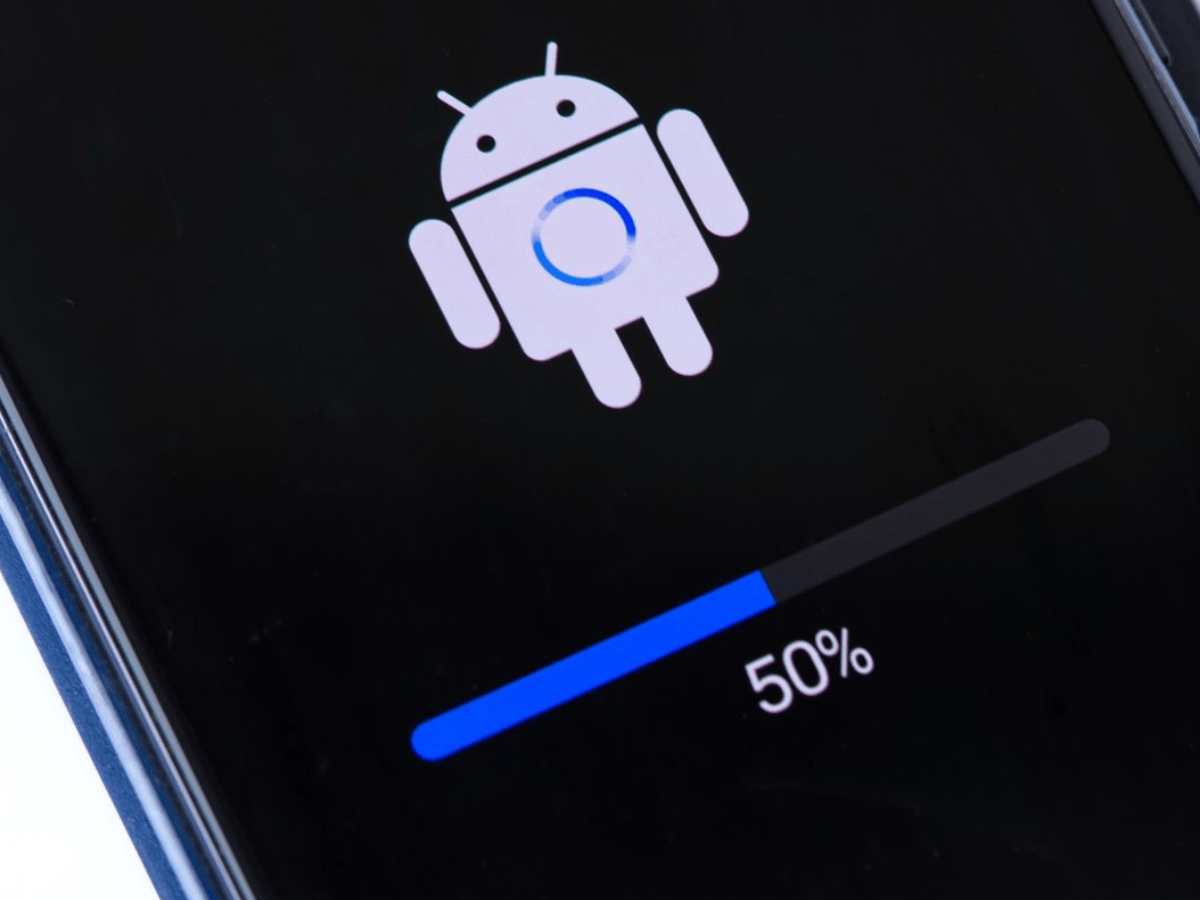
The update is available over-the-air for supported Pixel phones. Other device manufacturers supporting Android 16 are expected to release their versions after integrating Google's security patches.
The February Android security bulletin addresses only one vulnerability, identified as CVE-2026-010. This vulnerability exists in the VPU driver and is a high-severity privilege escalation issue. The bulletin does not mention any other security issues in the framework, system, kernel, or media components, contrasting with the January update which fixed multiple problems.
Google did not provide additional technical details beyond the vulnerability type and affected component, and there is no evidence to suggest the vulnerability was actively exploited before the patch.
For Pixel users, the February update is primarily a maintenance release. This patch does not introduce new features, interface adjustments, or behavioral changes. After installation, it only updates the security patch level and resolves the known driver issue.
Users running Android 16 on supported Pixel devices are still recommended to install the update once available. Even minor updates may contain underlying adjustments not fully documented, and staying updated helps ensure device security.
If users typically delay updates to avoid potential issues, this version is unlikely to draw attention as it contains no functional changes.
Although the February update is relatively quiet, more significant changes will arrive with the next quarterly platform release. Google is expected to roll out Android 16 QPR3 to Pixel devices in the coming months.
Recent beta versions have focused more on performance and stability improvements rather than visible new features. These updates often include system-level adjustments that, while not reflected in the user interface, can enhance responsiveness and daily reliability.
At least one more beta version is expected before the final release of QPR3. A complete changelog has not yet been published.
Users who wish to try new features early can enroll their compatible Pixel devices in the Android Beta Program. The current Android 16 beta is relatively stable but still carries risks.
Installing beta software on a primary device is not recommended, as users may encounter bugs, app compatibility issues, or accelerated battery drain. Returning to the stable version requires a complete wipe of the phone's data.
For users who rely on a single device, it is safer to wait for the official QPR3 release.
The February 2026 update does not change how the device operates. The next meaningful set of improvements will come with the upcoming QPR3 release. For now, this patch is primarily for keeping devices secure and up-to-date.
Related Products


MUX Series Communication Interface Device for Security and Stability Control System
Nanjing NR Electric Co., Ltd.
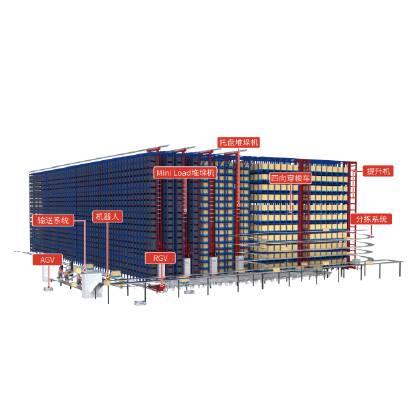

Comprehensive Mining Automation Control System
Beijing Tianma Intelligent Control Technology Co., Ltd.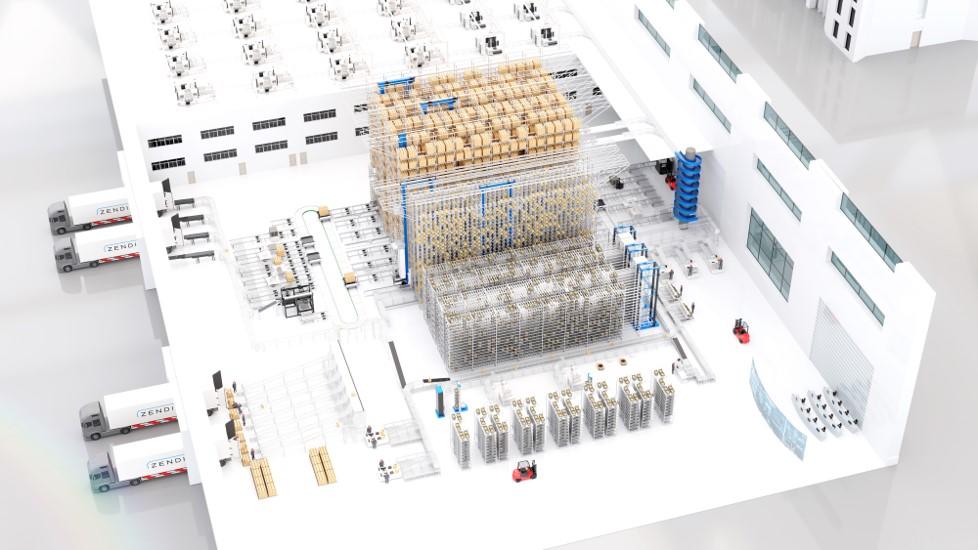
One-Stop Steward Service for the Entire Logistics System Integration Chain
Zhongding Intelligent (Wuxi) Technology Co., Ltd.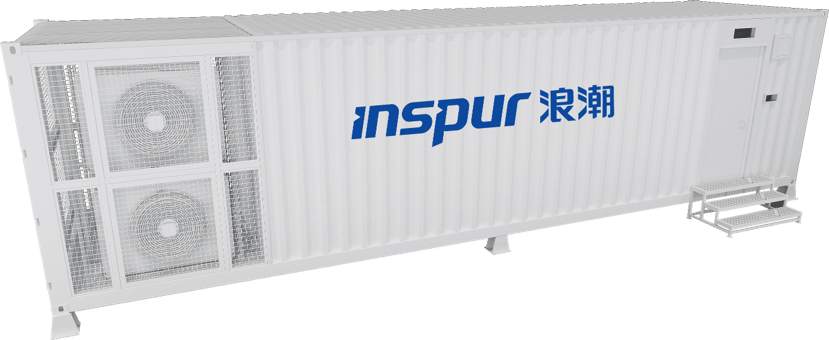


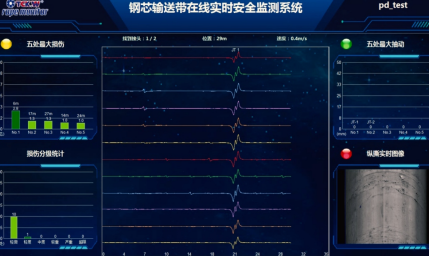
Conveyor Belt Intelligent Monitoring System
LUO YANG WIRE ROPE INSPECTION TECHNOLOGY CO., LTD.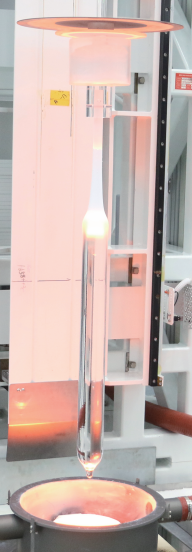
G.652.D Wavelength-extended Non-dispersion Shifted Single-mode Optical Fiber
HONGAN GROUP CO., LTD.

GYTA Type Non-Self-Supporting Aerial/Duct Optical Cable
TONGDING INTERCONNECTION INFORMATION CO., LTD.