Wedoany.com Report on Feb 12th, Trevor Barnard, CEO of Mutapa Gold Resources, recently announced at the Africa Mining Investment Congress seminar that the company has launched a multi-phase expansion plan. The goal is to triple the consolidated gold production to over 300,000 ounces (nearly 10 tons) annually within the next three to four years. The core of this plan is a $150 million expansion of the Shamva Mine, coupled with simultaneous upgrades at the Jena Mine to drive the group's production growth.
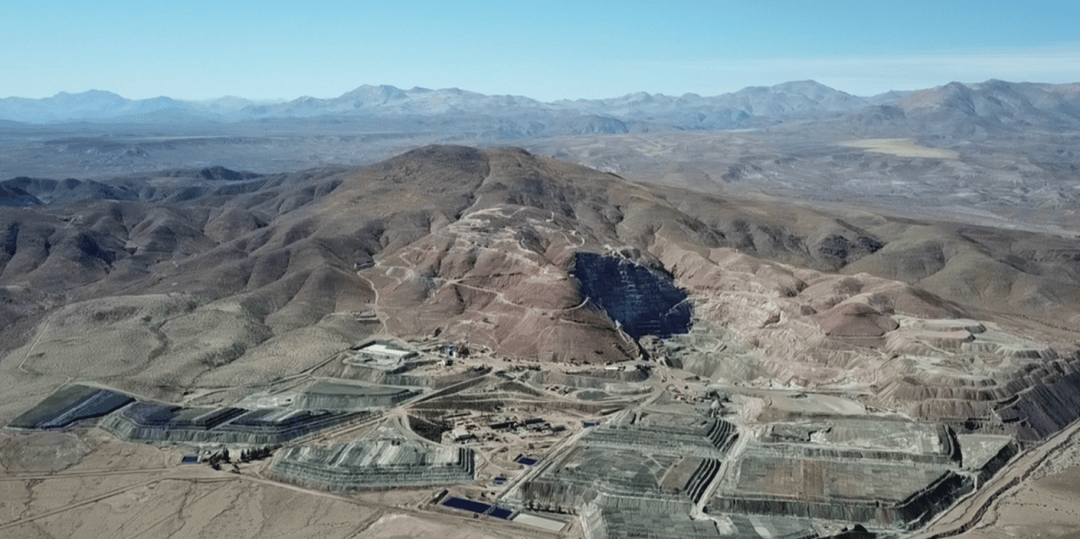
Barnard pointed out that the $150 million will be specifically allocated to transform the Shamva Mine, aiming to convert it into a large-scale, open-pit, low-cost gold producer. He stated, "This will enable us to achieve an annual gold production of approximately 170,000 ounces, with an annual processing capacity of about 2.5 million tons." He emphasized that this design is intended to position the mine on the lower end of the global cost curve to withstand future gold price fluctuations. Barnard said, "We don't believe gold prices will remain at their current highs, so we need to prepare for the days when prices might fall." This focus on long-term viability underpins Mutapa Gold's overall expansion strategy.
Regarding the Jena Mine, Barnard outlined an independent growth path. The Jena Mine currently produces about 30 kilograms of gold per month, which is below its geological potential. The company plans to install a new processing plant and transition to open-pit mining. Barnard said, "We are fortunate that Jena is a fairly high-grade mine. The grade there is about 2.5 grams per ton. If we open-pit this mine, the production costs will be quite low, and the output will increase significantly." After the expansion, the Jena Mine is expected to contribute approximately 80,000 ounces of gold annually, adding significant weight to Mutapa Gold's consolidated production profile.
The Freda Rebecca Mine, as Mutapa Gold Resources' flagship asset, currently produces about 220 kilograms of gold per month, equivalent to approximately 85,000 ounces annually, providing the group with stable cash flow and an operational foundation. Barnard confirmed that the Elvington Mine, located in Chegutu, will be the third phase of the development pipeline, following the Shamva and Jena Mines. He explained, "We operate based on a contract mining agreement, currently supporting local artisanal miners." This model regularizes activities, generates immediate revenue, and reduces risk before large-scale investment.
Overall, based on the current foundation of the Freda Rebecca Mine and the targeted expansions of the Shamva and Jena Mines, Mutapa Gold Resources expects its total gold production to increase from about 115,000 ounces annually to over 300,000 ounces (approximately 9.6 tons) within three to four years. Barnard confirmed, "If we combine all projects with current production, we plan to triple our current gold production in the next three to four years, meaning an increase from the current approximately 115,000 ounces per year to over 300,000 ounces per year." Looking ahead, he stated that the company will continue to develop its remaining mining areas, expecting sustained growth over the next five to ten years.
Throughout his presentation, Barnard emphasized that implementation would prioritize local Zimbabwean capabilities. He said, "The skills are definitely available. Our implementation model is indeed to develop large-scale, low-cost mines." He reiterated support for local contractors and suppliers, noting that Zimbabwe's mining industry possesses the capacity needed to execute these projects. Barnard concluded, "We are very excited about the future of this gold company, and the only thing I can leave you with is: watch this space."