AI Welding Technology Boosts Shipbuilding Automation, Enhancing Unmanned Vessel Construction Efficiency
HII, based in Virginia, has signed a Memorandum of Understanding with Path Robotics to explore integrating artificial intelligence welding technology into its shipbuilding operations. This initiative aims to accelerate production throughput, strengthen the maritime industrial base, and enhance the shipbuilding workforce.
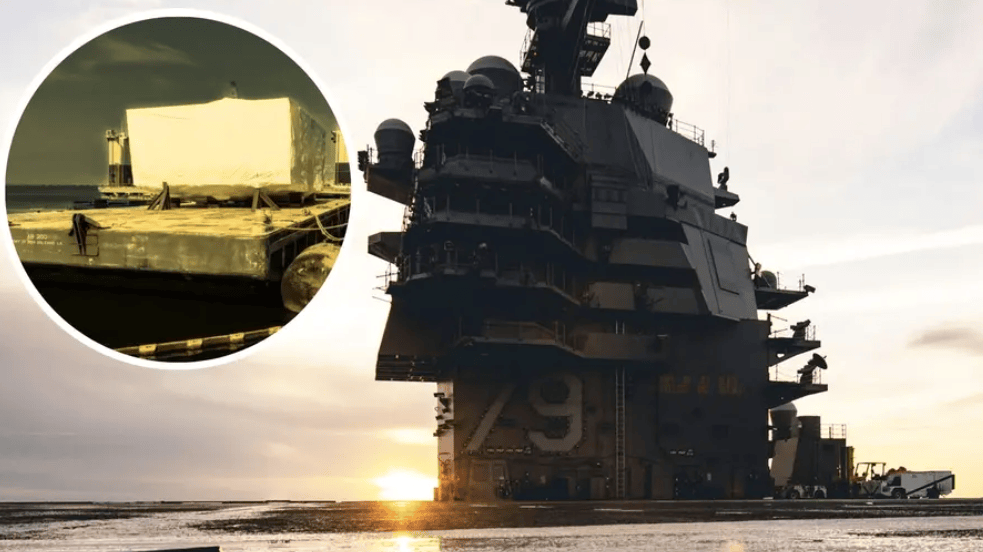
Eric Chewning, Executive Vice President of HII Maritime Systems and Corporate Strategy, stated: "We are excited to partner with Path Robotics to bring their state-of-the-art physics-based AI models to further augment our workforce and accelerate production of manned and unmanned ships for the U.S. Navy." He added: "Our shipbuilding throughput grew by 14% in 2025 and is projected to increase by another 15% in 2026. By collaborating with new partners like Path Robotics, we can further accelerate ship production. I look forward to jointly developing an AI-based autonomous welding solution that helps us meet Navy standards and scale within our shipyard facilities. This transformative partnership has the potential to increase our throughput efficiency without sacrificing quality."
According to the press release, HII and Path Robotics plan to explore future opportunities in three key areas: developing autonomous shipbuilding capabilities, training the workforce to expand automation, and establishing an intellectual property framework for physics-based AI autonomous welding systems. The two companies will conduct research and development around integrating Path's physics-based AI models with other innovative technologies used in HII shipbuilding, including HII's ROMULUS series of unmanned surface vessels. These technologies are expected to collectively enhance the welding workforce, automate structural production, and accelerate throughput to support national security objectives.
Andy Lonsberry, CEO and Co-founder of Path Robotics, said: "Partnering with the nation's largest military shipbuilder at such a critical time for defense and manufacturing underscores the significance of what we have built at Path." He noted: "Welding is one of the most difficult processes to automate in any industry, and shipbuilding is no exception. Path's physics-based AI is designed for this challenge—capable of sensing, understanding, and adapting to real-world conditions in real-time. We are honored to work alongside HII to help modernize defense manufacturing and strengthen the naval industrial base for decades to come."
Path's physics-based AI models and its proprietary welding sensing and vision systems can transform traditional industrial robotic arms from rigid, repetitive machines into real-time sensing and decision-making systems capable of perceiving, understanding, and adapting to changes in the shipbuilding environment. Currently, HII's divisions use automated robotic welders that require human collaboration, such as traditional panel line cells, collaborative robot welding technology, or mechanized welders. AI-driven autonomous welding technology offers a promising potential opportunity to expand distributed shipbuilding capabilities and augment HII's skilled workforce to accelerate delivery and meet the growing demands of the U.S. Navy.
Related Products


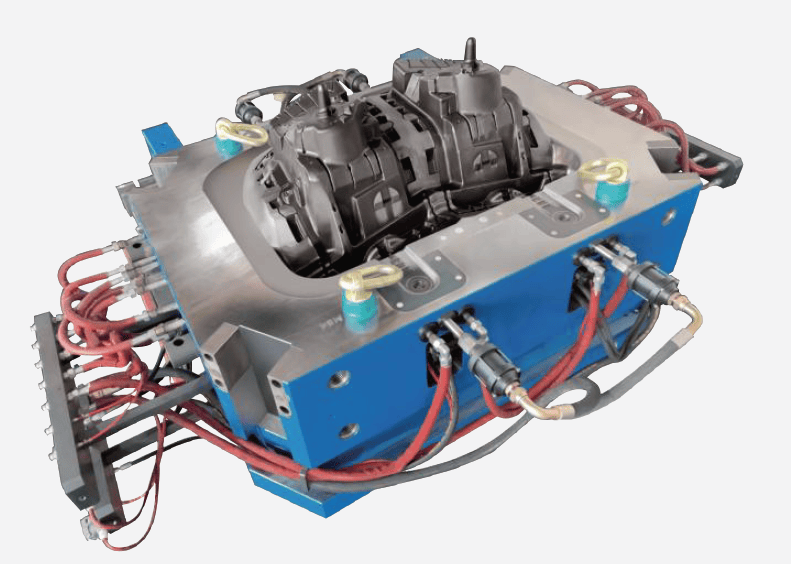
Aluminum-Magnesium Alloy High-Pressure Die-Casting Molds
NINGBO HELI TECHNOLOGY CO., LTD.
CAP1400 main feedwater flow nozzle flowmeter.
Jiangsu Hongda Instrument Technology Co., LTD.
Strip Coating and Plating Production Line Equipment
MCC-SFRE HEAVY INDUSTRY EQUIPMENT CO., LTD.
Pneumatic high-pressure wear-resistant ball valve
Zhejiang Deca Control Valve Meter Co., Ltd.
LBH4000 Batch Environmental Protection Asphalt Mixing Plant | Asphalt Batching Plant | Asphalt Mixing Plant
Jilin Province Road Construction Machinery Co., Ltd.
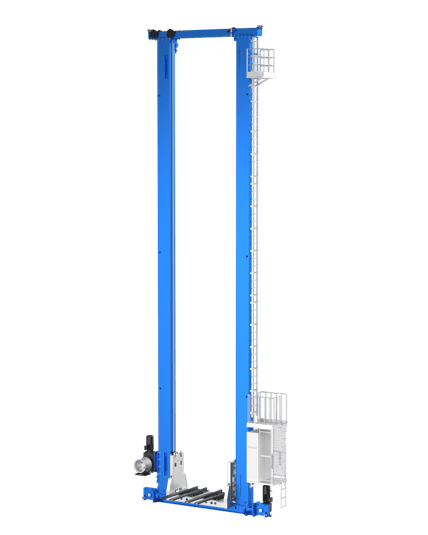
Pallet Solutions Product Line: HD3000 Double-Column Stacker Crane
Zhongding Intelligent (Wuxi) Technology Co., Ltd.