Chinese Humanoid Robots Advance into Industrial Applications: A Look at 7 Representative Models
Wedoany.com Report on Feb 25th, In recent years, China's humanoid robot field has gradually expanded from demonstrative showcases to industrial applications. Data shows that in 2025, global shipments of humanoid robots exceeded 13,000 units, with approximately 87% to 90% produced by Chinese companies. With over 140 domestic manufacturers and more than 330 models, the sector is transitioning from the experimental phase to commercial development.
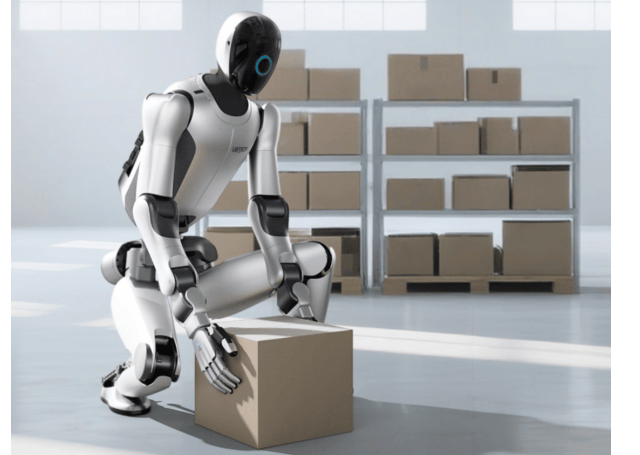
During this year's CCTV Spring Festival Gala, robots from companies like Unitree Robotics and AgiBot attracted widespread attention through martial arts performances and synchronized movements, marking a shift for humanoid robots from the laboratory to public life. The following are seven Chinese humanoid robots set to influence industry development in 2026, spanning research, service, industrial, and other fields.
Unitree's G1, with its compact design and cost-effectiveness, is suitable for research and educational purposes. Standing about 1.3 meters tall and weighing 35 kilograms, it can operate for 2 hours on a single charge and has demonstrated acrobatic abilities and fall recovery. Unitree plans to ship 20,000 humanoid robots this year, a significant increase from 2025.
AgiBot's A2 is an AI-native service robot equipped with natural language processing capabilities, enabling practical conversations. It has obtained certifications for the Chinese, American, and European markets, facilitating global deployment. During a performance at the Shaolin Temple, it showcased the ability to mimic human movements, reflecting advancements in embodied AI.
DEEP Robotics' DR02 is designed for industrial manufacturing and outdoor tasks, featuring an IP66 protection rating to withstand dust and heavy rain. It walks at a speed of 4 meters per second and can carry a 20-kilogram load, making it suitable for automation or quality control environments.
Robot Era's L7 boasts a modular design, allowing flexible adaptation for logistics or research work. With a 360-degree field of view and a speed of 4 meters per second, it is well-suited for navigating busy environments.
UBTECH Robotics' Walker S2 industrial robot is designed for automotive assembly lines, using a combination of rigid and flexible joints to operate smoothly in vibrating environments. Its autonomous battery-swapping function supports 24/7 operation, reducing downtime.
Kepler Robotics' Forerunner K2 industrial robot focuses on precise handling, featuring 11 degrees of freedom in its hands and flexible sensors to perceive and adjust its grip. Equipped with a 2.33 kWh battery, it offers extended endurance, suitable for industrial warehouses.
Dobot's Atom employs a straight-knee walking mechanism to improve energy efficiency, with an operational precision of ±0.05 mm, making it suitable for precision tasks like electronic assembly. This transforms humanoid industrial robots from novelties into practical tools.
With predicted growth in shipments, 2026 could be a pivotal year for humanoid robots transitioning from showcases to infrastructure. The strategies of Chinese companies in pricing, production, and demonstrations are influencing the global competitive landscape.
Related Products

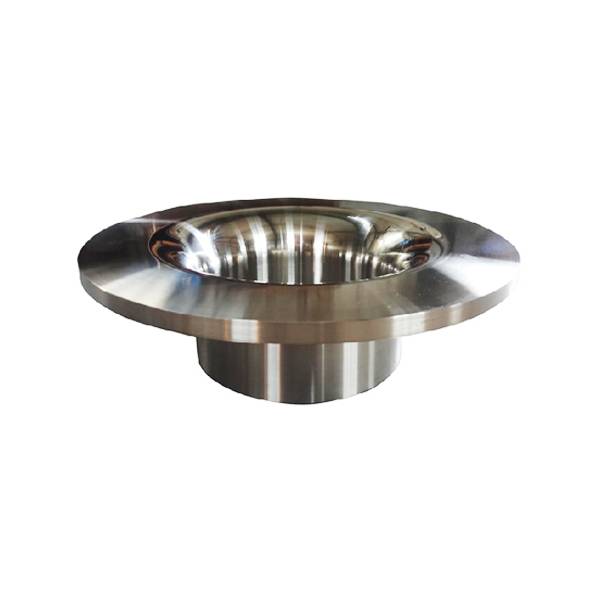
Standard Nozzle Flowmeter
Jinggong Automatic Control Instrument Complete Technology Development Company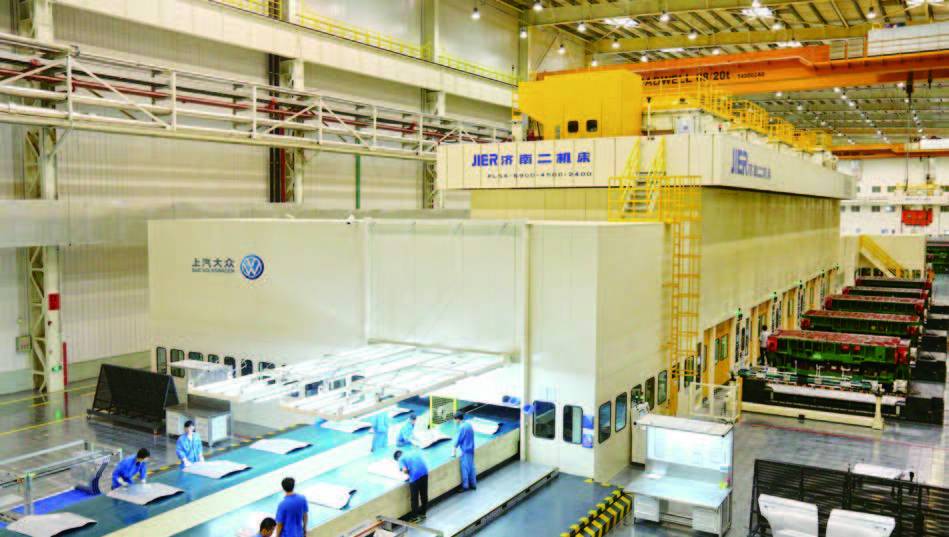
High-Speed Flexible Fully Automatic Stamping Production Line
JIER Machine-Tool Group Co., Ltd.

Pneumatic high-pressure wear-resistant ball valve
Zhejiang Deca Control Valve Meter Co., Ltd.

Industrial and Commercial Point-Type Gas Detector
Jinan Benan Technology Development Co., Ltd.
LBH4000 Batch Environmental Protection Asphalt Mixing Plant | Asphalt Batching Plant | Asphalt Mixing Plant
Jilin Province Road Construction Machinery Co., Ltd.