Wedoany.com Report on Feb 26th, Recently, the robot performance at the Chinese Spring Festival Gala showcased advancements in engineering technology, sparking attention on the future development of the robotics industry. The "Robotics Almanac" report released by Morgan Stanley indicates that the global robot population is projected to grow from 128 million units in 2024 to 6.46 billion units by 2050, with the market size potentially expanding from $91 billion to $25 trillion. This growth will significantly boost the rare earth magnet market, expected to exceed $160 billion by 2050, representing an increase of approximately 480 times.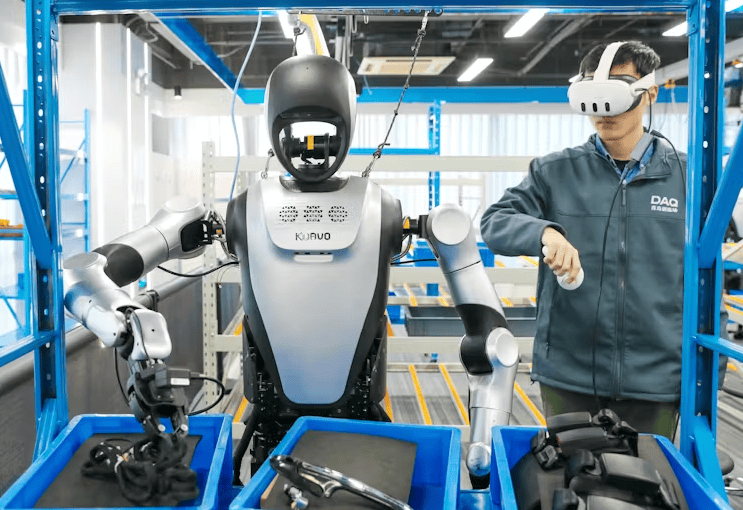
Rapid technological progress is a key driver of rising demand. Analysis from Adamas Intelligence shows that the degrees of freedom (DoF) in humanoid robots have increased from the early 28 to the current 56, and may approach the human level of 78 in the future. The increase in degrees of freedom raises the number of motors and magnets used per robot. Adamas Intelligence predicts that robotics will become a new frontier for medium- to long-term growth in neodymium iron boron magnet demand and may surpass other application areas before 2040.
Prices for some heavy rare earth elements have already begun to rise. For example, the price of yttrium has increased from about $8 per kilogram to $800-$1,000. Brendan Clark, CEO of Victory Metals, stated: "Every moving part in a robot requires a magnet; that's how they operate. As technology develops, these movements are becoming more lifelike." He added that the market may be underestimating the impact of robotics on the demand for the rare earth industry.
Investors may be missing opportunities in the rare earth sector. Reg Spencer, Head of Mining Research at Canaccord Genuity, pointed out that the market fundamentals for rare earths are better than those for lithium, but investor focus may have drifted away from favorable conditions. Spencer said: "We forecast sustainable demand growth driven by electric vehicles, renewable energy, and medium- to long-term robotics." He mentioned that rare earth supply is inelastic, and supply growth from new mines in the West may be delayed until 2028-2029, leading to price divergence, with prices for elements like dysprosium and terbium potentially being higher.
Overall, the expansion of the robotics industry is driving increased demand for rare earth magnets, presenting potential opportunities for related miners. As technology advances and the market grows, this trend is expected to continue, highlighting the recognition of the strategic importance of rare earth resources.