

Project Overview:
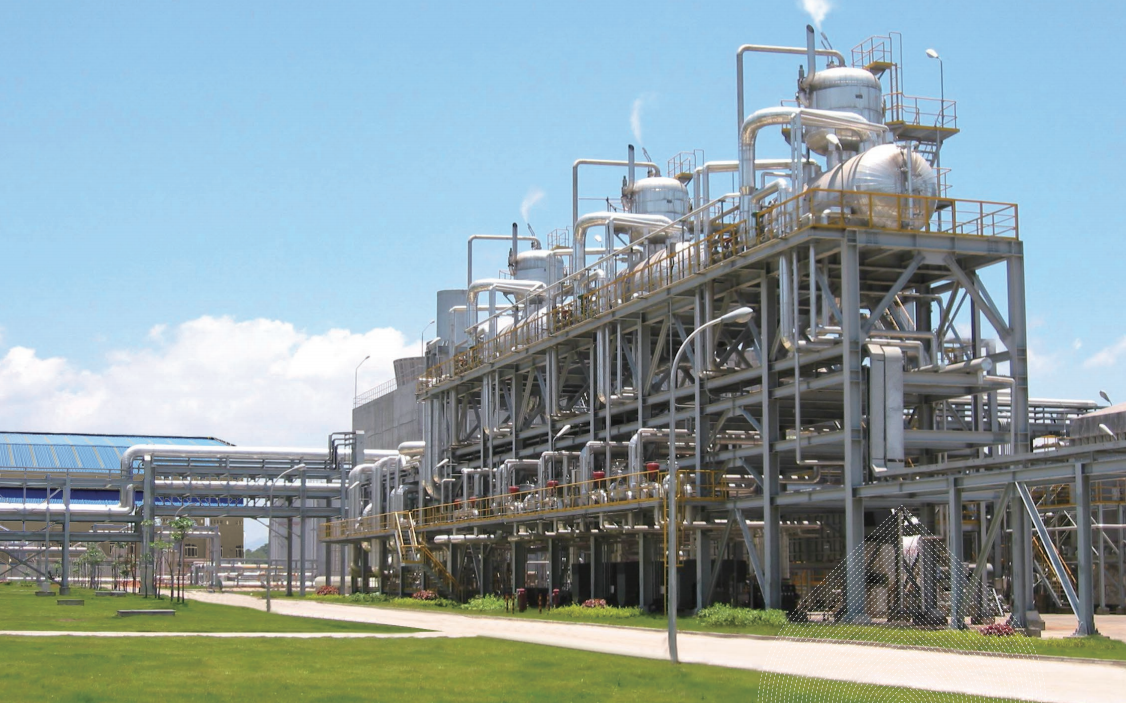
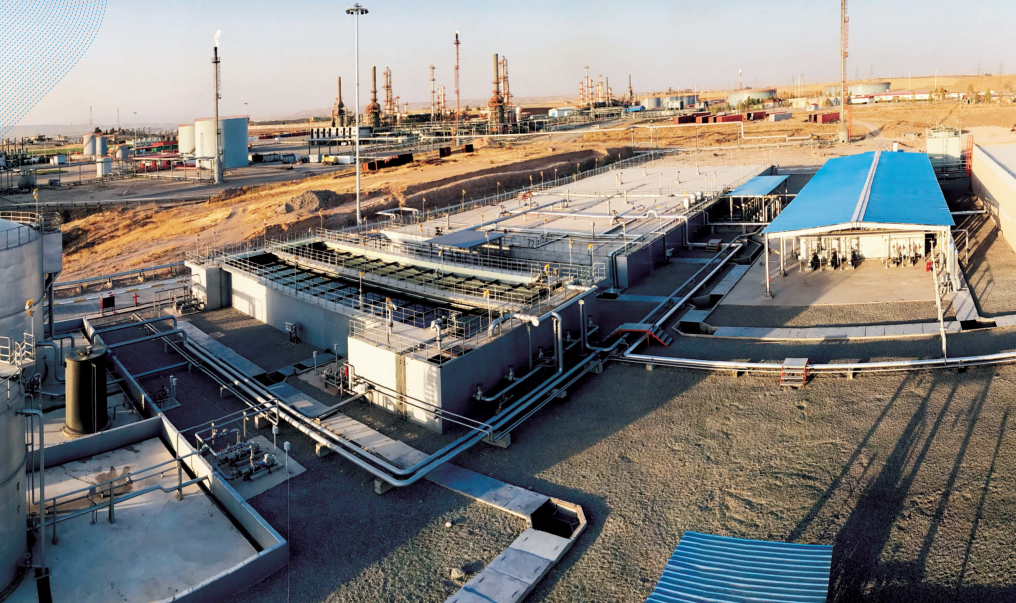
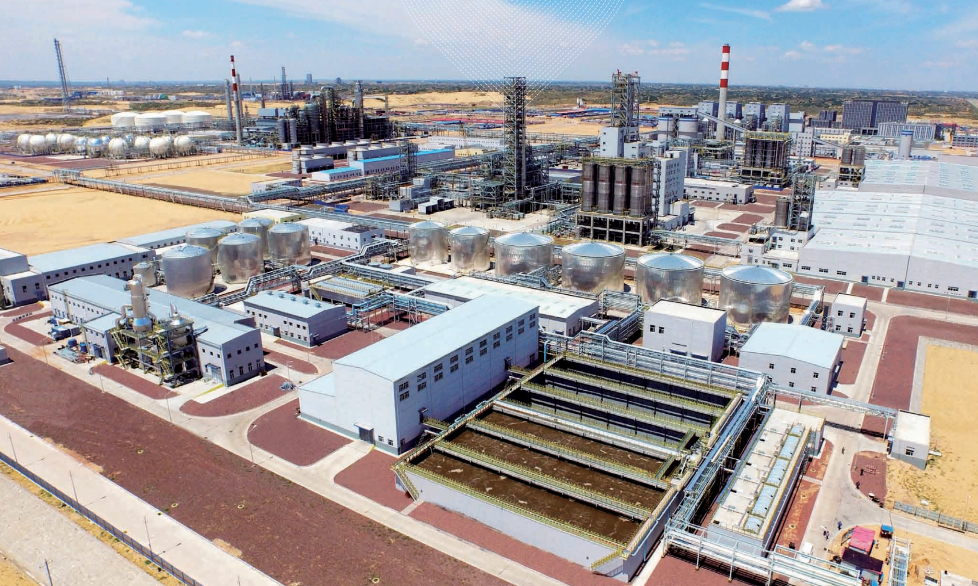
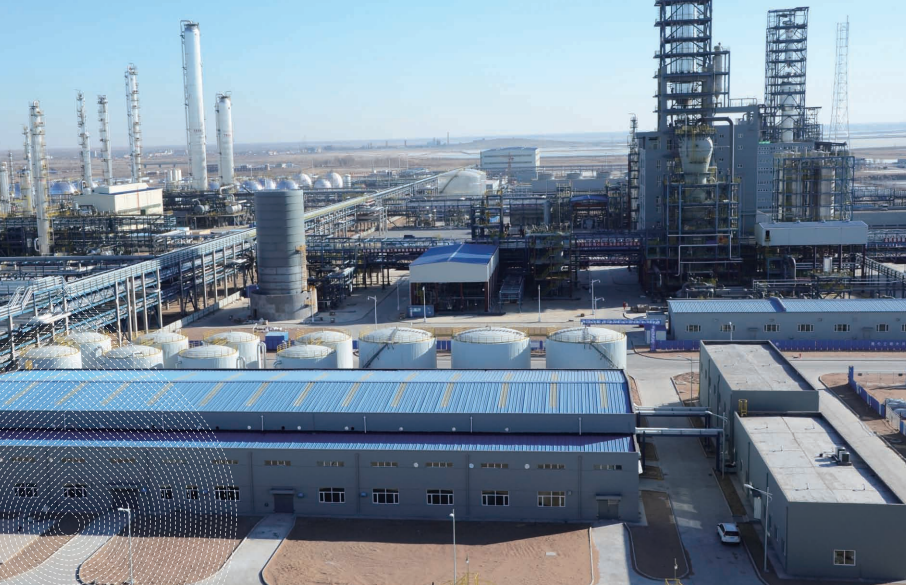
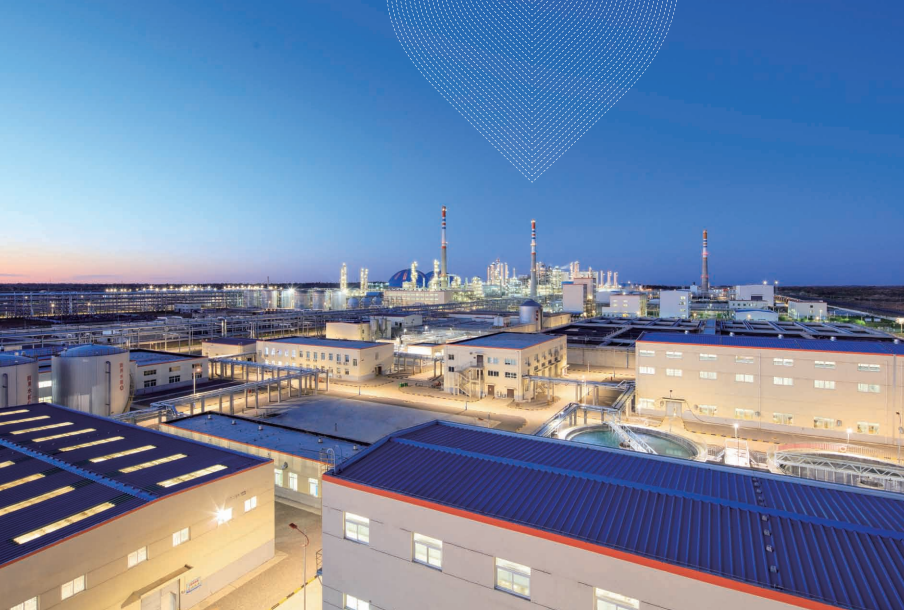
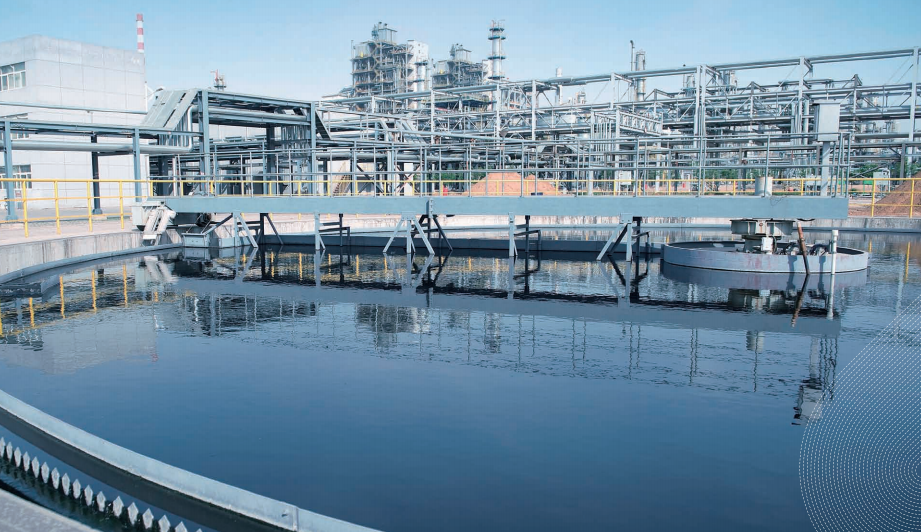
The Shenhua Erdos Coal-to-Oil Project is one of the world's largest commercial coal direct liquefaction projects and a key project under China's 10th Five-Year Plan. The coal liquefaction unit generates large volumes of high-concentration wastewater, with complex and diverse sources from other units. There was no similar wastewater treatment experience available domestically or internationally for reference. Botian Environment adopted the A/O + MBR process and conducted nearly nine months of pilot testing on wastewater from various sources, ultimately developing the most economical and practical process model to achieve compliant treatment of different water qualities and volumes. This project established the company's leading position in wastewater treatment for coal direct liquefaction.
Process Overview:
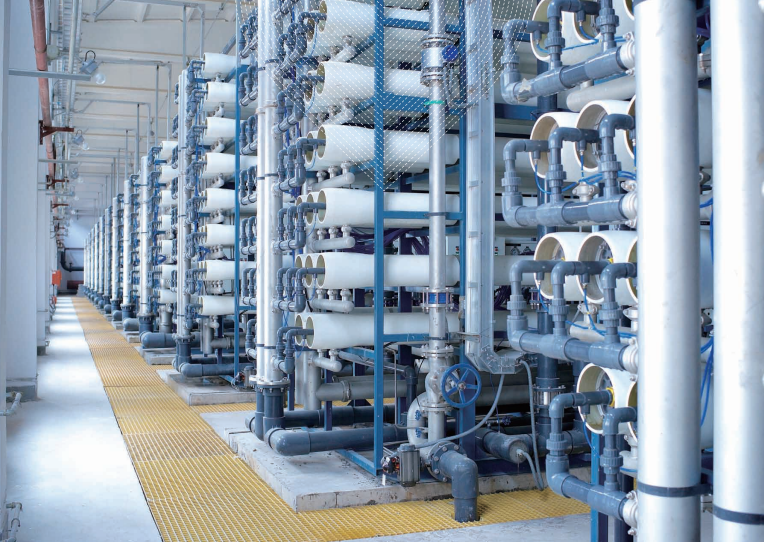
Product Water Refining System: UF + RO
Advanced Treatment and Reuse System: A/O + MBR + UF + RO
Project Scale:
Product Water Refining System: 300m³/h
Advanced Treatment and Reuse System: 410m³/h
Project Highlights:
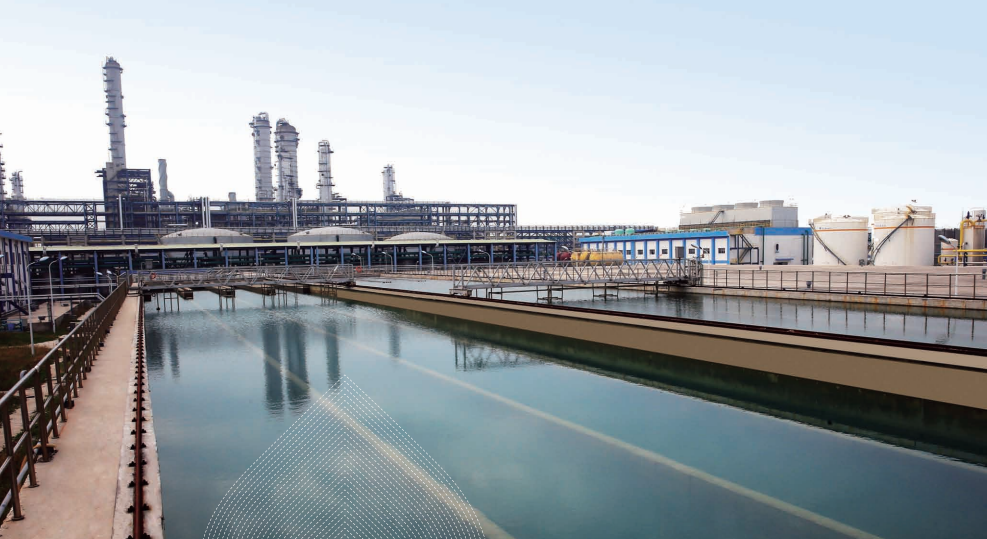
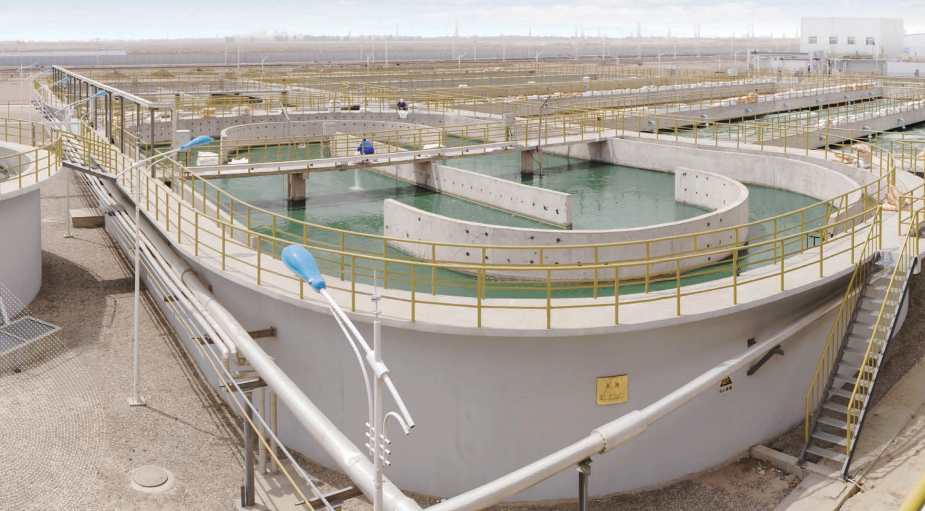
The advanced treatment section uses the A/O process for nitrogen and carbon removal. In the anoxic (A) tank, denitrifying bacteria use organic matter in the wastewater as a carbon source to reduce NO₃⁻-N and NO₂⁻-N from the returned mixed liquor and sludge into N₂ released to the air. Soluble organic matter is absorbed by microorganisms, reducing BOD₅ concentration, while NO₃⁻-N concentration decreases significantly. In the aerobic (O) tank, organic matter is biochemically degraded, BOD₅ continues to decrease, organic nitrogen is ammonified and then nitrified, resulting in a significant reduction in NH₃-N concentration.
The advanced treatment MBR process provides enhanced COD removal, greatly reducing organic pollution on the membranes in the subsequent reuse treatment process. The effluent turbidity is superior to traditional advanced treatment processes, ensuring long-term stable operation of the membrane system at high recovery rates and significantly reducing concentrate discharge, creating conditions for "zero discharge" in the plant.
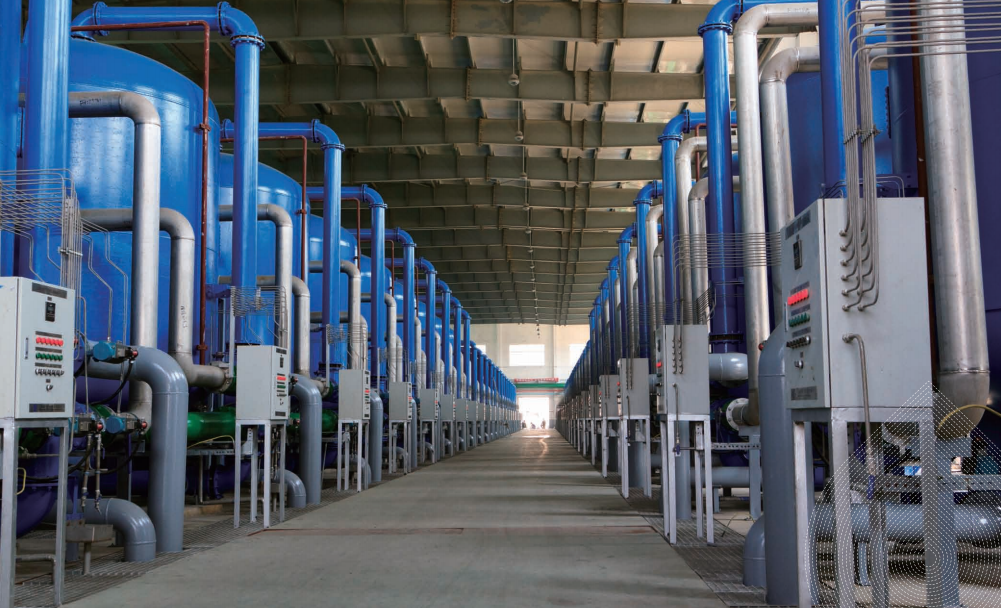
Considering the limited site area, the advanced treatment and reuse system adopts a dual-membrane process, which has a simple process flow, compact structure, small footprint, high degree of automation, easy operation, no need for large amounts of chemicals, and low operating costs.
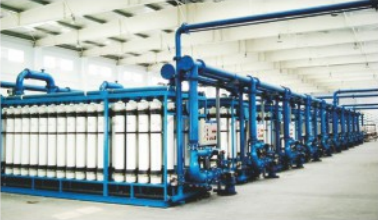
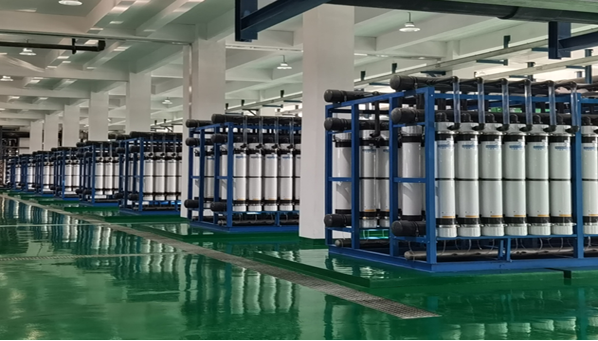
The ultrafiltration unit retains tiny particles, reduces suspended solids, bacteria, and turbidity, and partially removes organic pollutants to improve and stabilize water quality.
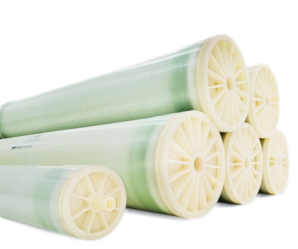
The reverse osmosis system is mainly used to remove dissolved salts, small-molecule organic matter, silica, and other pollutants, capable of removing more than 98% of electrolytes (salts) from the water.