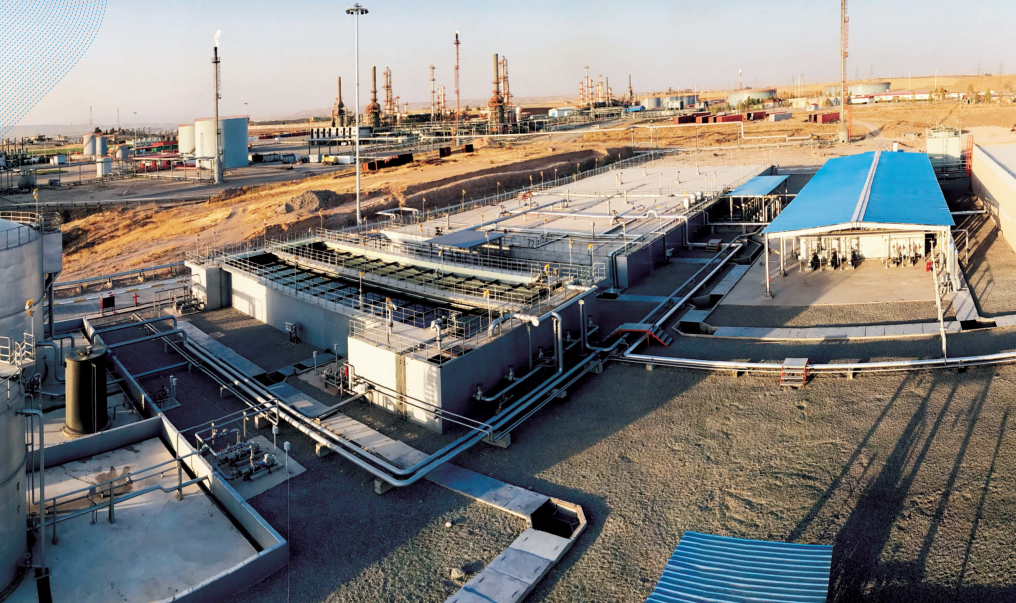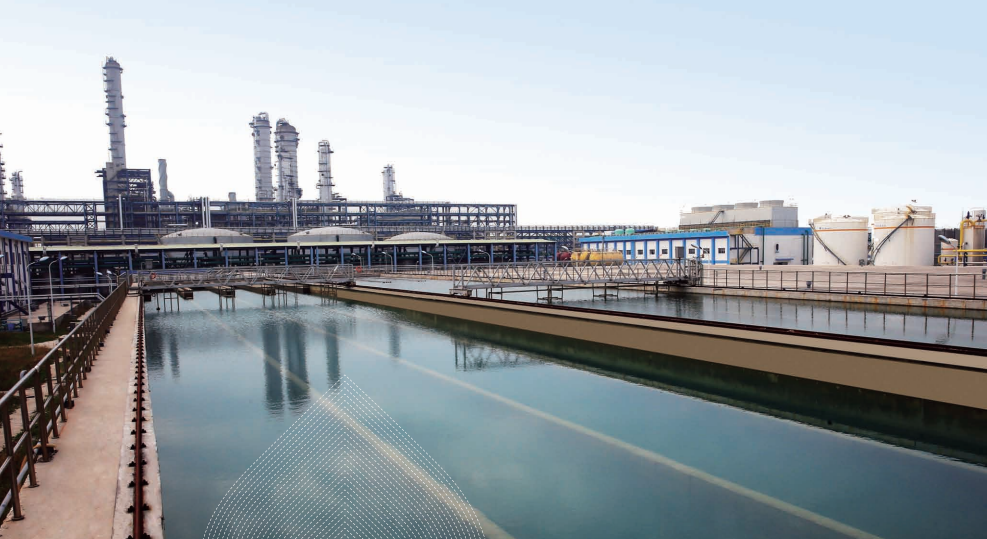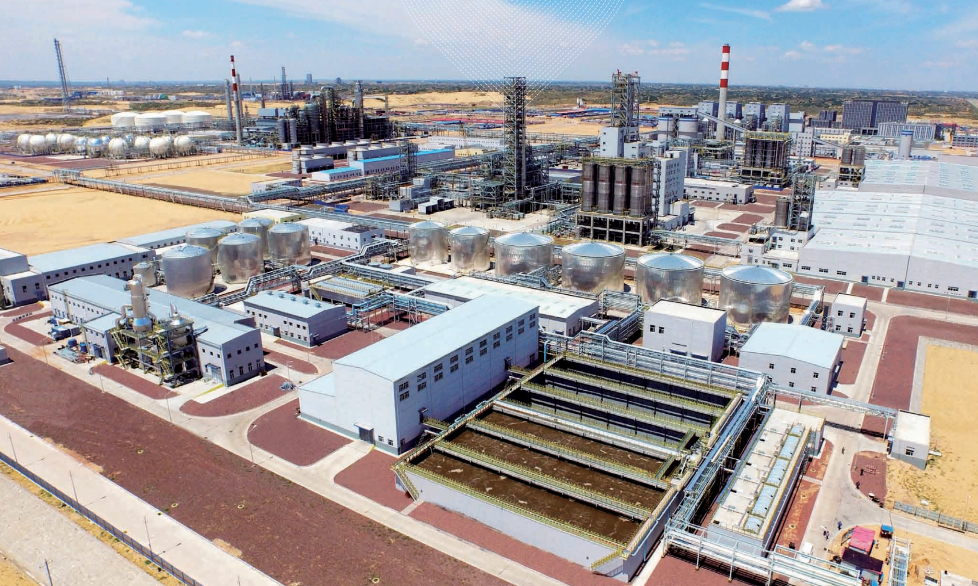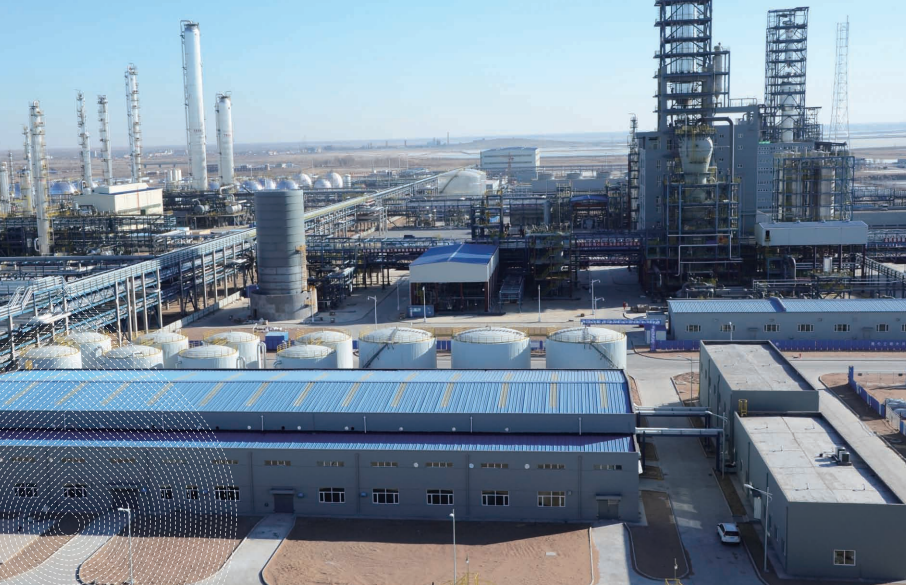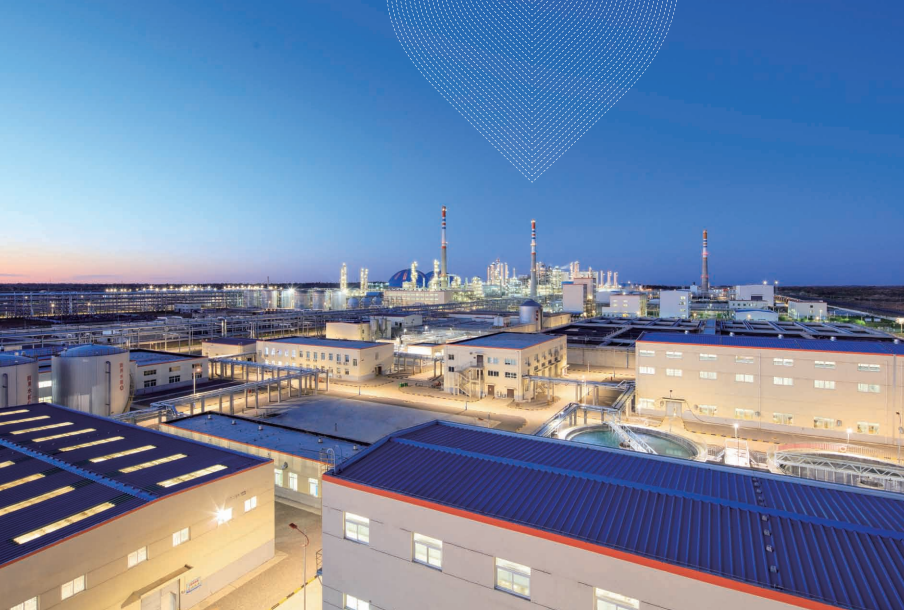


Project Overview:
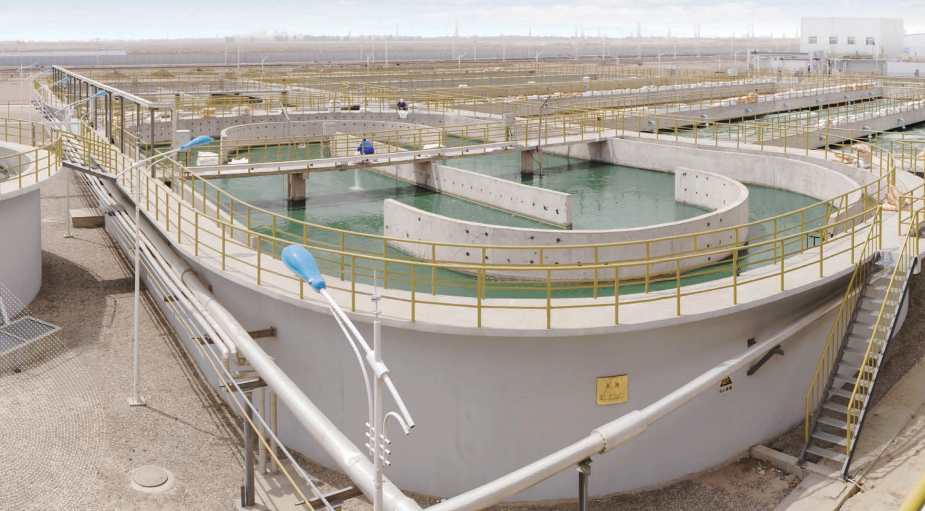
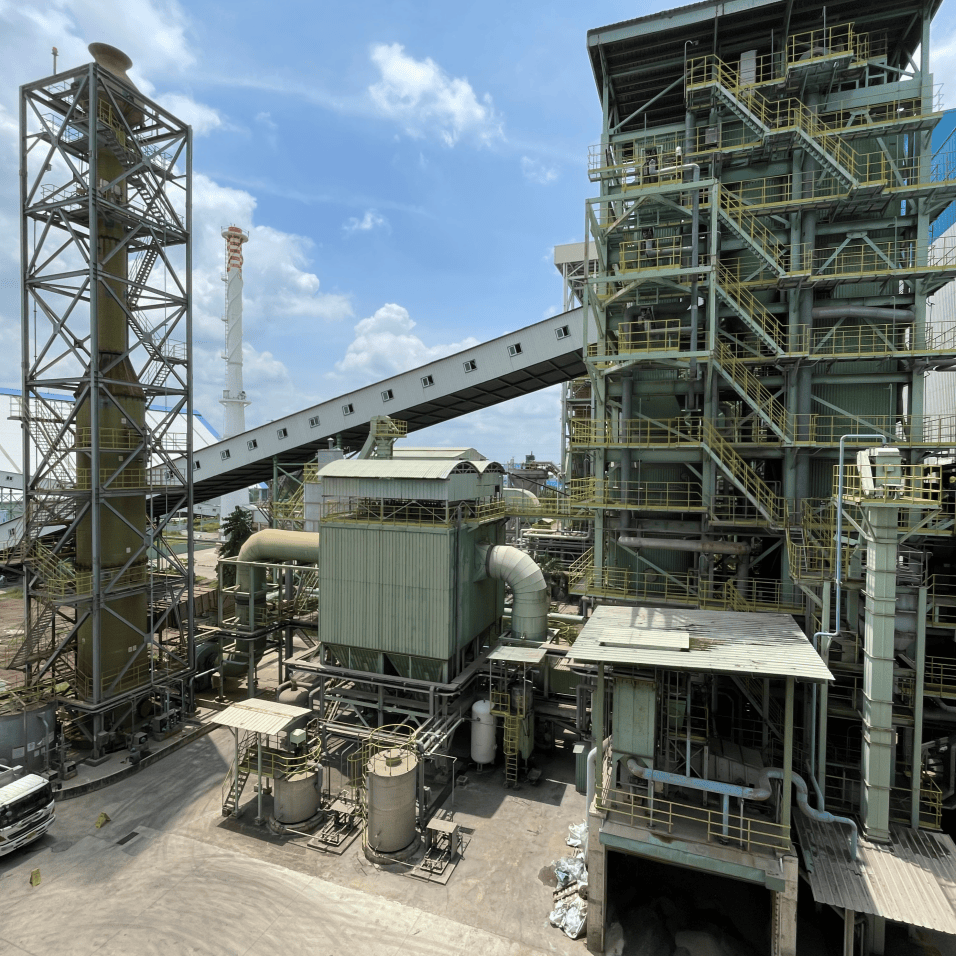
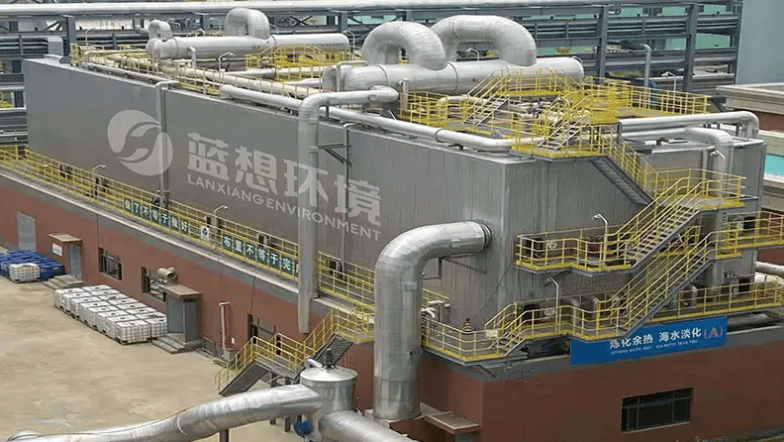
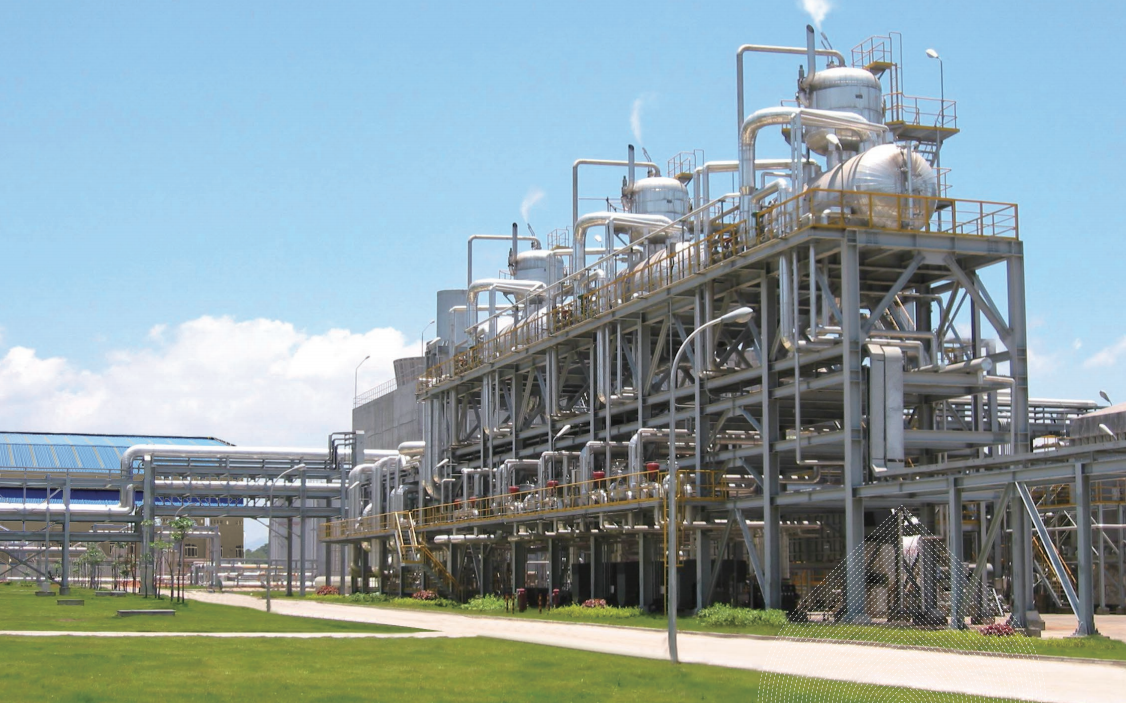
This project is divided into three parts: wastewater, condensate water, and desalted water. Among them, the wastewater project includes three streams: ammonia-containing wastewater, domestic sewage, and oily wastewater. The entire project is divided into four main systems: ammonia stripping system, oily wastewater system, domestic sewage system, and sludge incineration system.
Process Overview:
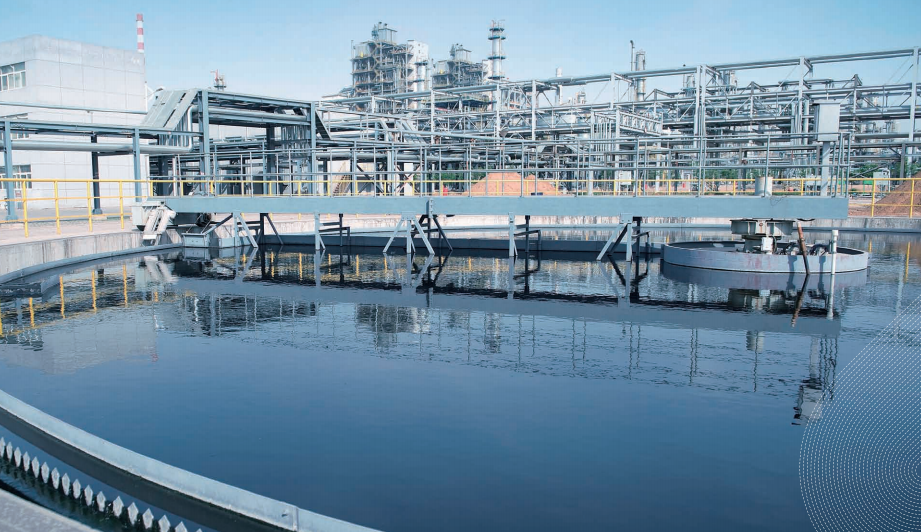
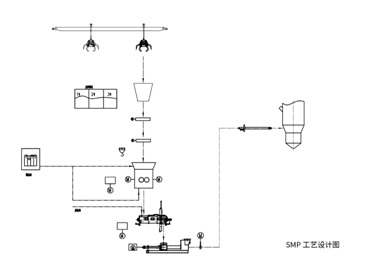
Oily Wastewater: Inclined plate oil separator + Air flotation + Sludge incineration
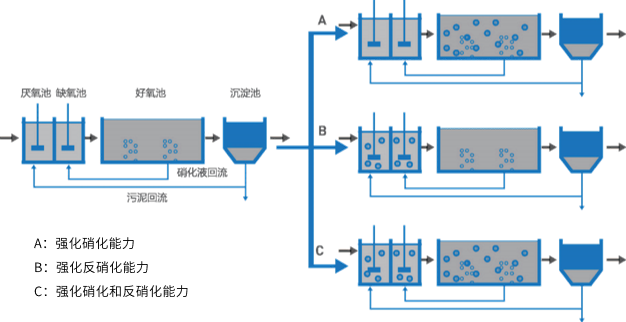
Domestic Sewage: Mechanical screen + Anaerobic aerobic + Secondary sedimentation tank
Ammonia-containing Wastewater: Ammonia stripping system
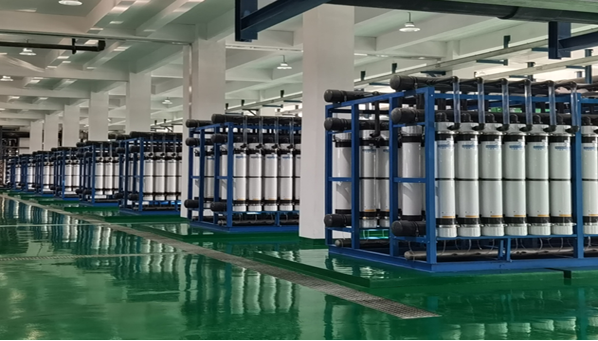
Condensate Water: Activated carbon + Mixed bed
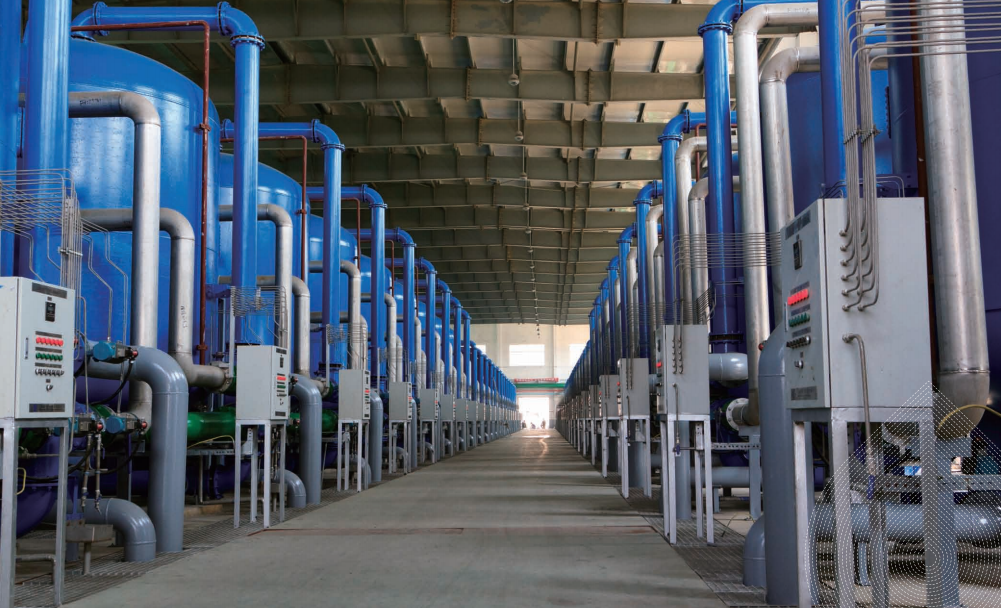
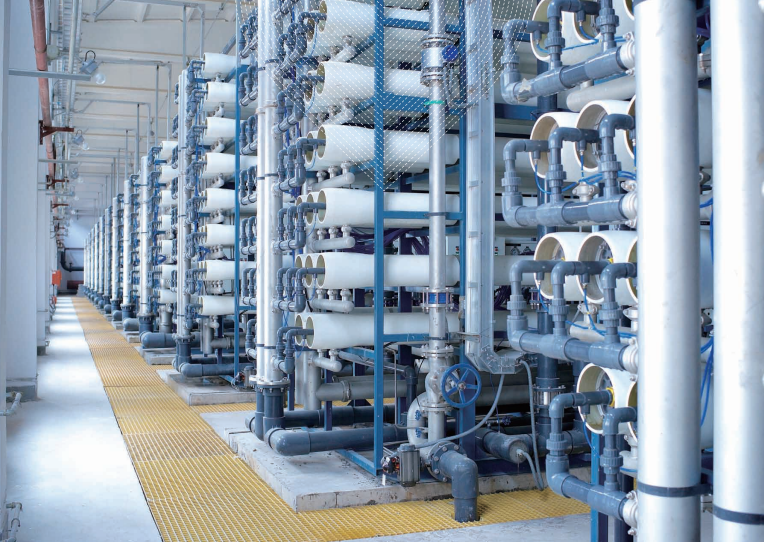
Desalted Water: Security filter + Anion bed + Cation bed + Mixed bed
Project Scale:
Wastewater: Total 4200 tons/day, of which oily wastewater treatment 150m³/h, ammonia-containing wastewater 10m³/h, domestic sewage 15m³/h;
Condensate Water: 480m³/h
Desalted Water: 150m³/h
Project Highlights:
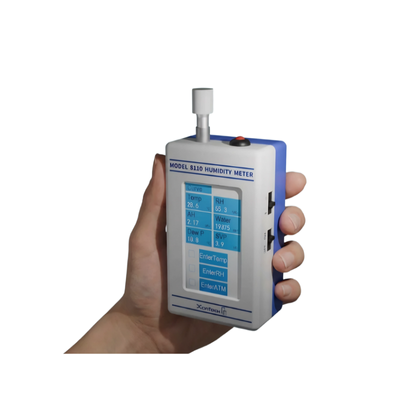
Arranging and attributing the ammonia stripping system and sludge incineration system to the wastewater treatment system is an innovation. The project also includes auxiliary units rarely encountered in wastewater treatment projects, such as constant temperature and humidity units, heat exchange stations, and gas fire extinguishing systems. The activated carbon filter oil removal process used in the condensate water process can effectively improve the quality of the refined treatment water and protect the resin in the mixed bed from oil contamination or reduction in working exchange capacity. The backwash water of the activated carbon filter and the regeneration wastewater of the mixed bed are treated separately, which can reduce the chemicals used for neutralization wastewater and save the volume of the comprehensive tank.
The desalted water system includes a softening system and a heat exchange system, where the heat exchange system uses multi-stage heat exchange devices to process low-pressure steam from the plant into condensate and reuse it after treatment by the softening system, achieving maximum utilization of energy. In addition, all relevant pressure vessels in the three projects are designed according to ASME standards and calculated using PV-Elite software, making the design of pressure vessels safer and more reasonable; PDMS 3D models are used for design, making the layout and pipeline arrangement of this project more intuitive, material statistics more accurate, and saving procurement costs; all equipment and instruments comply with international standards such as API, IEC, ISO, ensuring that the quality of this project meets international levels. This project is the first time Poten Enviro has fully designed and manufactured according to American standards, and truly achieved full-process project control and traceability.