

Project Overview:
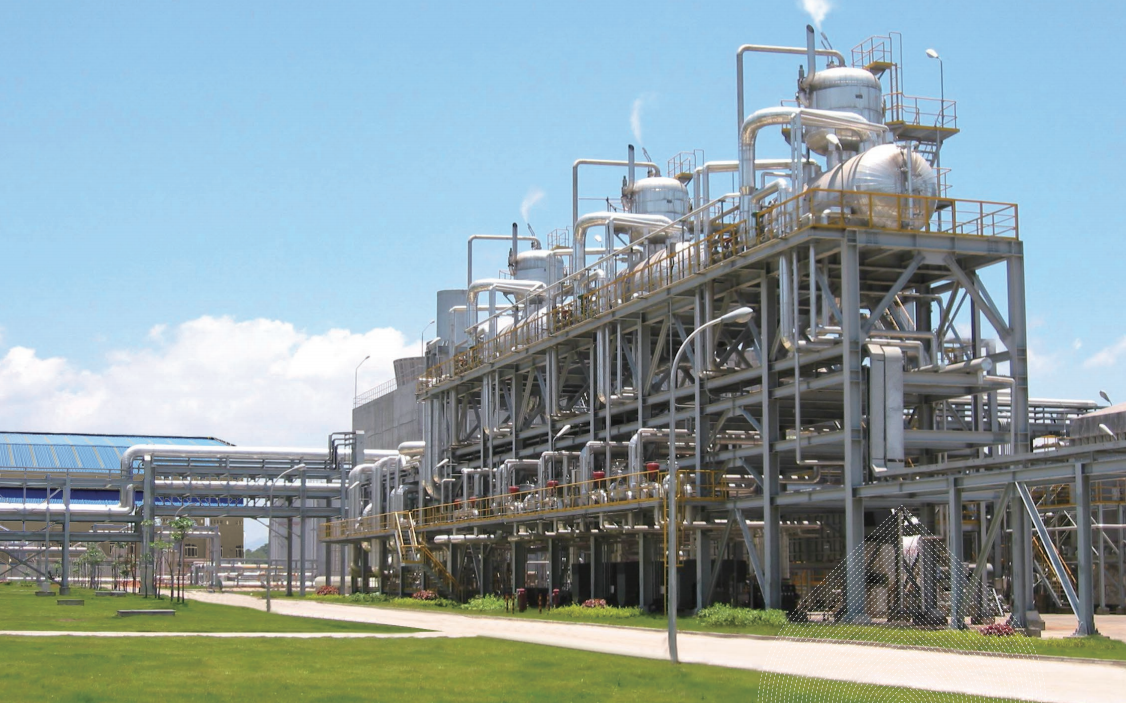
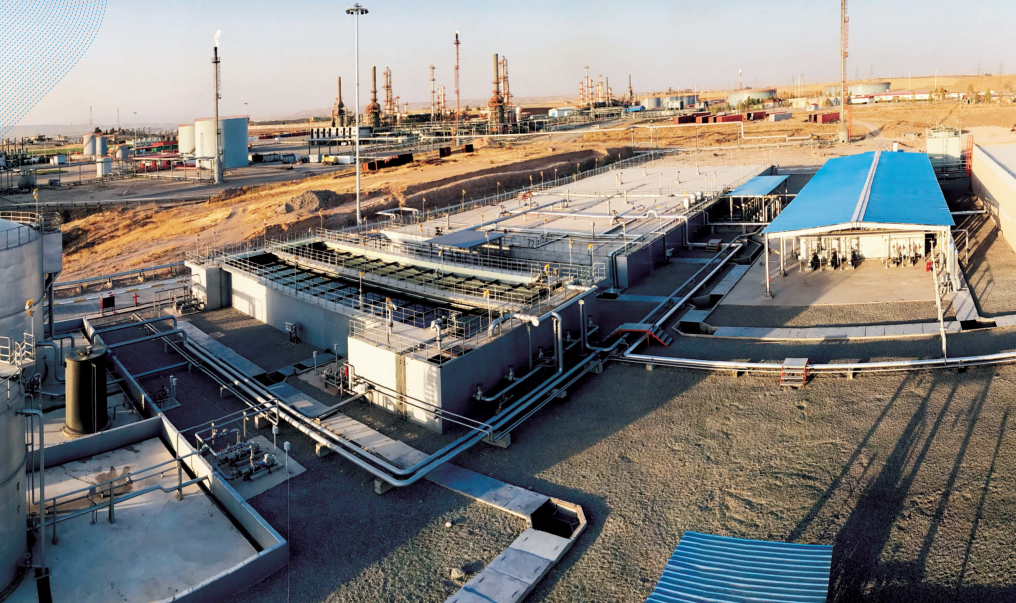
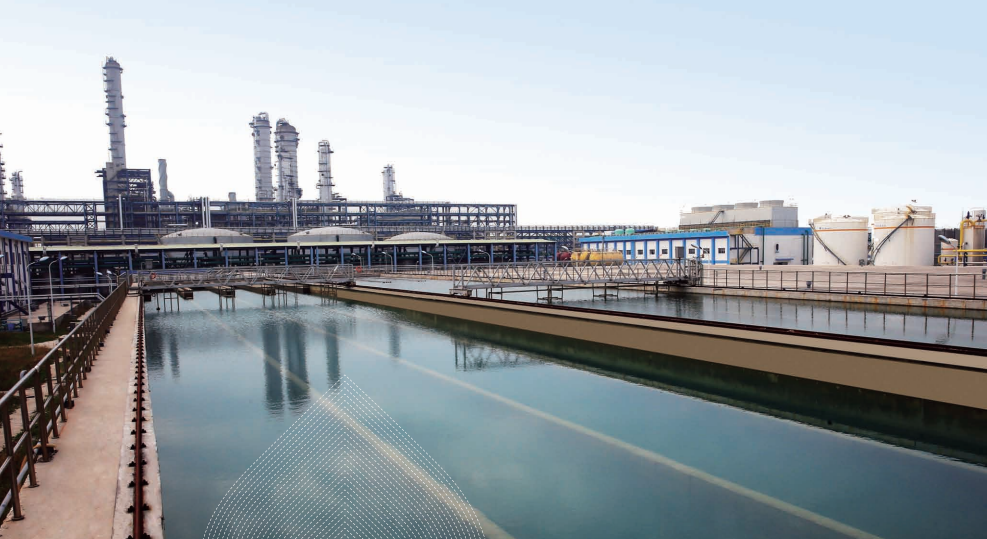
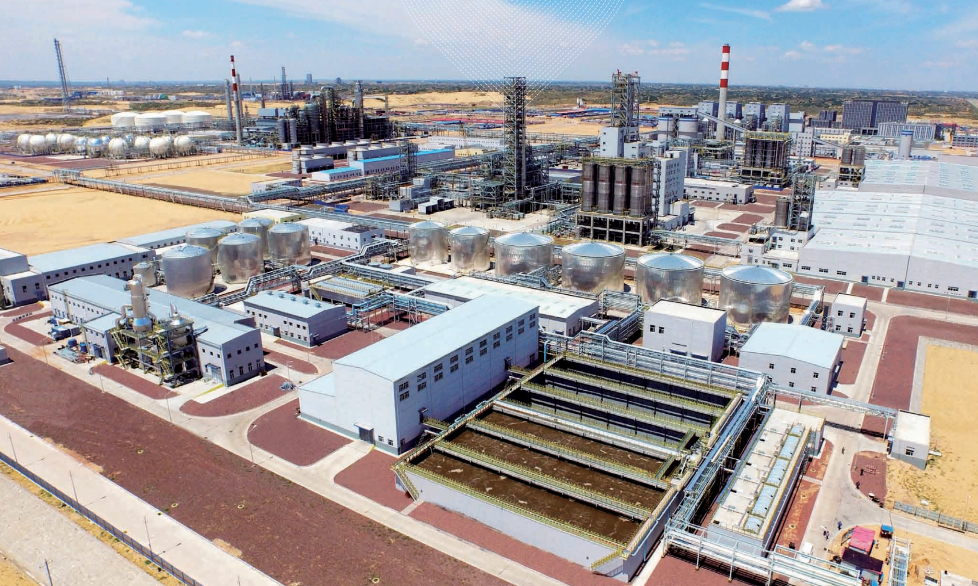
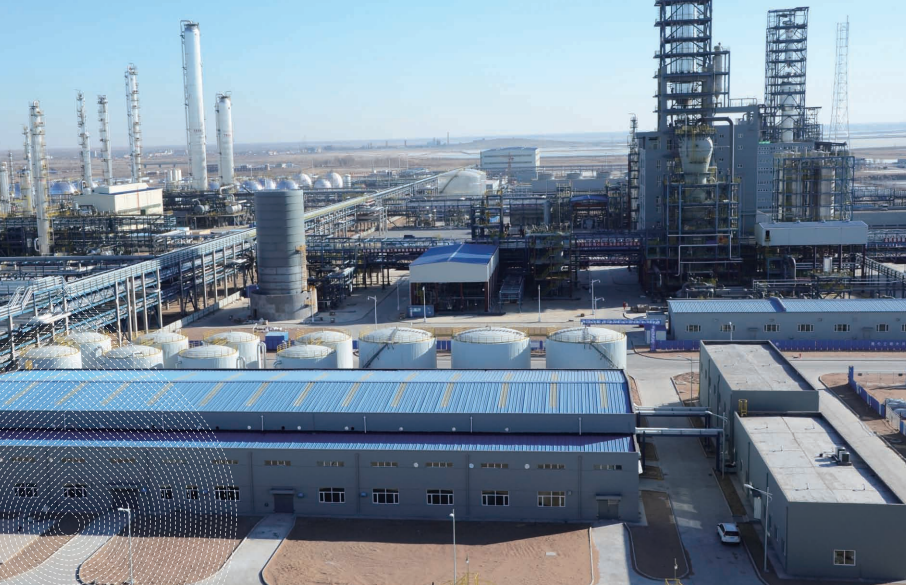
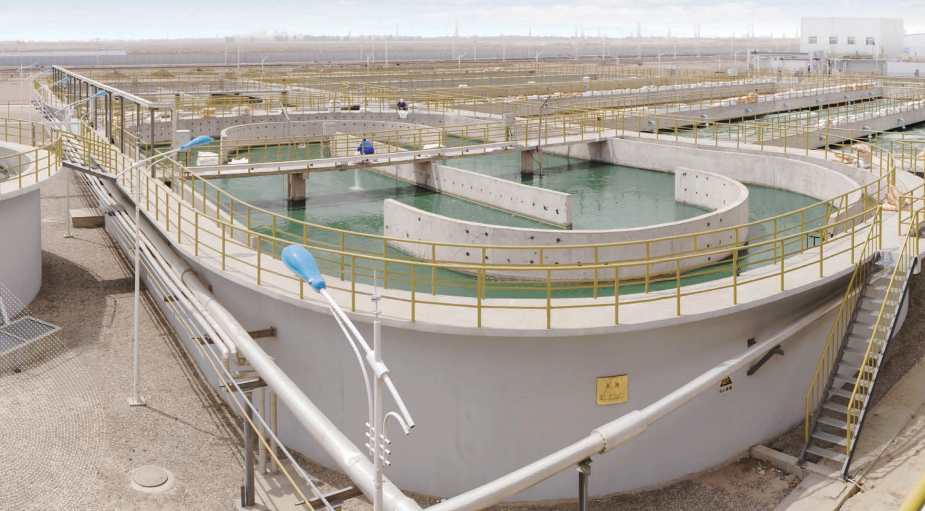
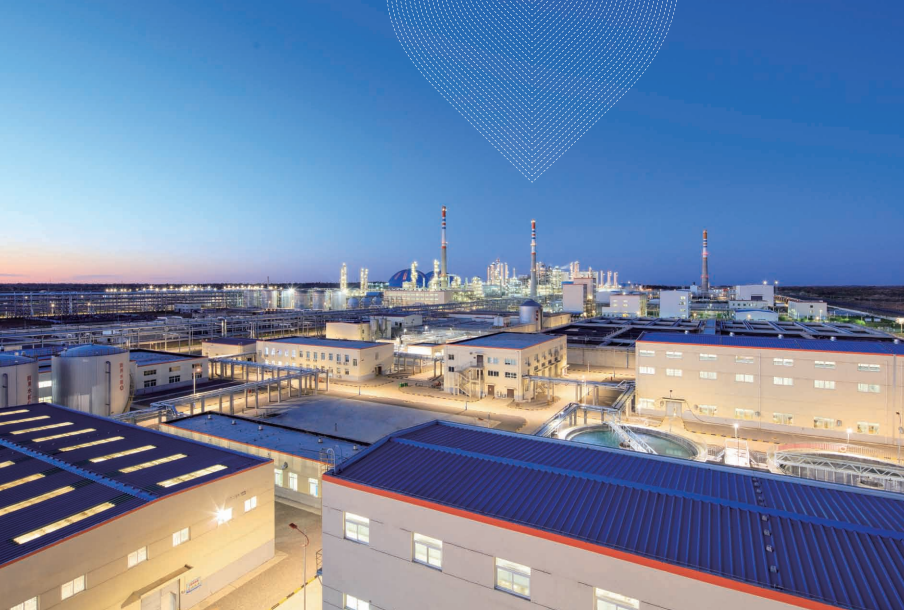
Shaanxi Future Energy Chemical Co., Ltd. Yankuang Yulin 1 million tons/year coal indirect liquefaction demonstration project is one of the key projects in the “12th Five-Year Plan” and also the first million-ton-class coal indirect liquefaction project in China. The project uses coal as raw material to mainly produce diesel, naphtha, LPG and other chemical products. In November 2013, Poten Enviro undertook the wastewater treatment plant and reclaimed water treatment project for this project. The wastewater in this project includes gasification wastewater, low-temperature methanol wash wastewater, high-concentration synthesis wastewater, sulfur-containing wastewater, oily wastewater, and domestic wastewater, etc.
Hongdun Wastewater Treatment Plant BOT Project, signed in March 2015, is mainly responsible for the treatment of high-salt wastewater from Shaanxi Future Energy Chemical Co., Ltd., ultimately achieving zero wastewater discharge.
Process Overview:
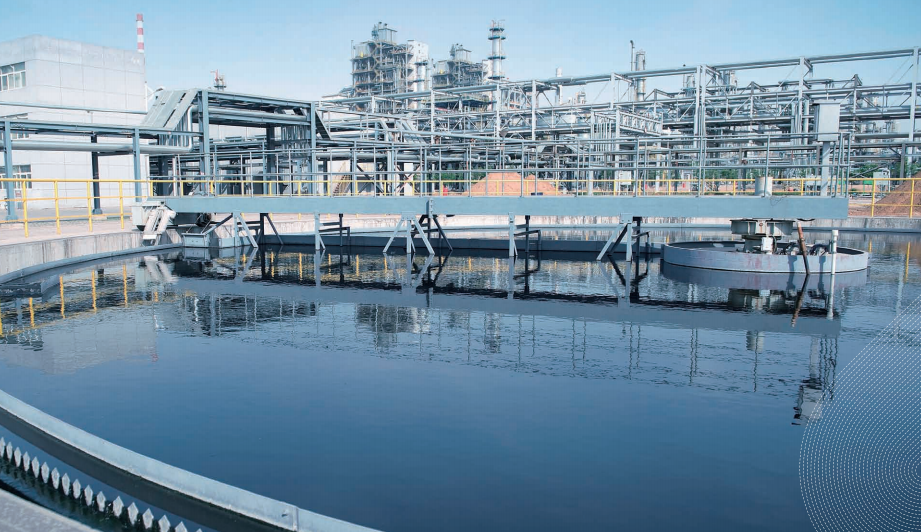
Comprehensive Wastewater 1: Air flotation + A/B tank + Sedimentation
Comprehensive Wastewater 2: Primary sedimentation + UASB + OAAO + MBR
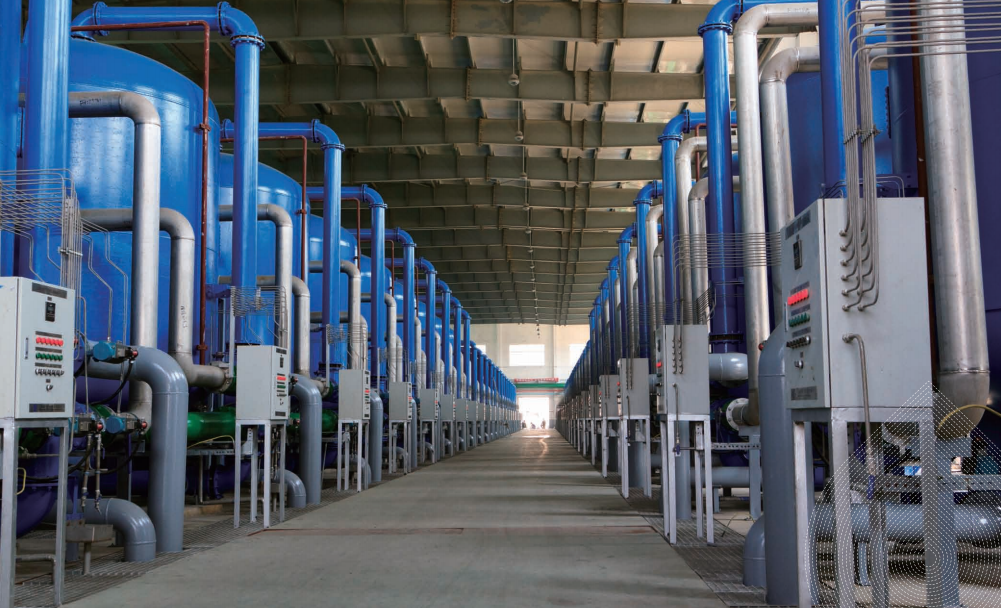
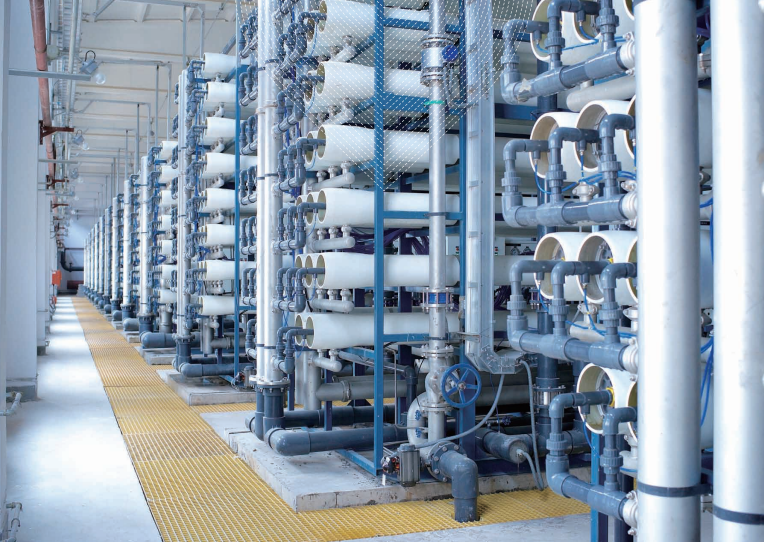
Comprehensive Reclaimed Water: High-efficiency clarifier + V-type filter + UF + RO process
Comprehensive reclaimed water concentrate: High-efficiency clarifier + Quartz sand filtration + UF + RO process
Clean Wastewater: Quartz sand filter;
External Discharge: Advanced oxidation process + Denitrification biological fluidized bed
Zero Discharge: Microfiltration + Weak acid cation bed + High-efficiency reverse osmosis + Evaporation crystallization
Project Scale:
Wastewater: 820m³/h
Reclaimed Water: 1300m³/h
Membrane Concentration: 175m³/h
Evaporator: 40m³/h
Crystallizer: 10m³/h
Project Highlights:
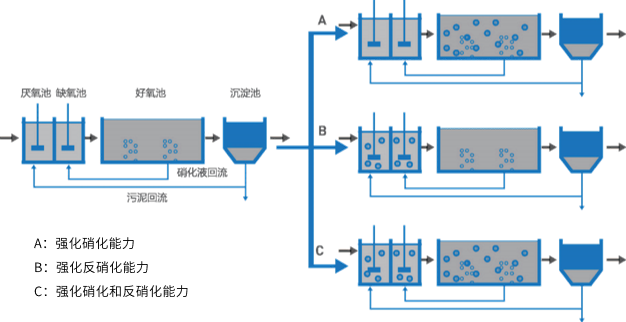
According to influent conditions and effluent requirements, artificially create and control the time ratio and operating conditions of the biochemical treatment system. As long as the carbon source is sufficient, a relatively high denitrification rate and organic matter removal can be achieved as needed. Therefore, the OAAO process is adopted as the main biochemical section process.
The aerator adopts high-efficiency swirling aerator. The aerator cylinder belongs to large-pore channels, combined with swirling mixing structure, featuring large service area, low resistance, stable and reliable operation, not easy to clog, long service life, etc.
MBR organically combines membrane separation technology in separation engineering with traditional wastewater biological treatment technology, greatly improving solid-liquid separation efficiency; and due to the increase in activated sludge concentration in the aeration tank and the appearance of special bacteria in the sludge (especially dominant bacterial groups), the biochemical reaction rate is improved; at the same time, by reducing the F/M ratio, the amount of excess sludge generated is reduced, thus basically solving many prominent problems existing in the traditional activated sludge process.
The organic matter concentration in synthetic wastewater is as high as above 15000mg/L, and it also contains a large amount of toxic and harmful substances; two-stage anaerobic is adopted, and a dual circulation system is set in anaerobic to reduce the impact of high-concentration organic matter on the system while ensuring the rising flow velocity in the reactor.
The advanced oxidation process adopts the company's independently developed Hi-sot technology, which significantly improves ozone utilization efficiency and oxidation efficiency, markedly enhances the biodegradability of wastewater, and reduces investment and operating costs. It ensures the stable operation of the subsequent zero-discharge system.
The microfiltration unit of the zero-discharge system adopts the company's independently developed MCR membrane reactor technology, which efficiently removes hardness, silica, etc. from concentrated brine, replacing the traditional high-density + filter + ultrafiltration unit, improving process integration, and saving about 25% of land area.
The concentrated brine after wastewater reuse is finally converted into crystalline salt through the evaporation crystallization system, achieving zero wastewater discharge and resource utilization of crystalline salt.