

Project Overview:
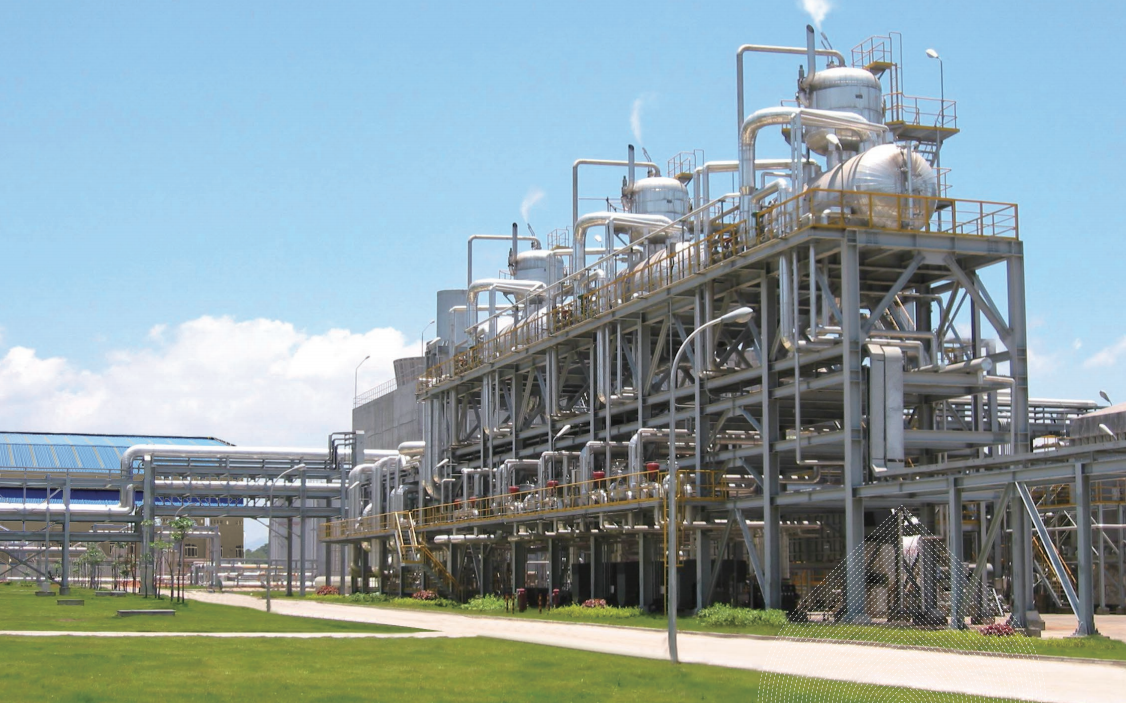
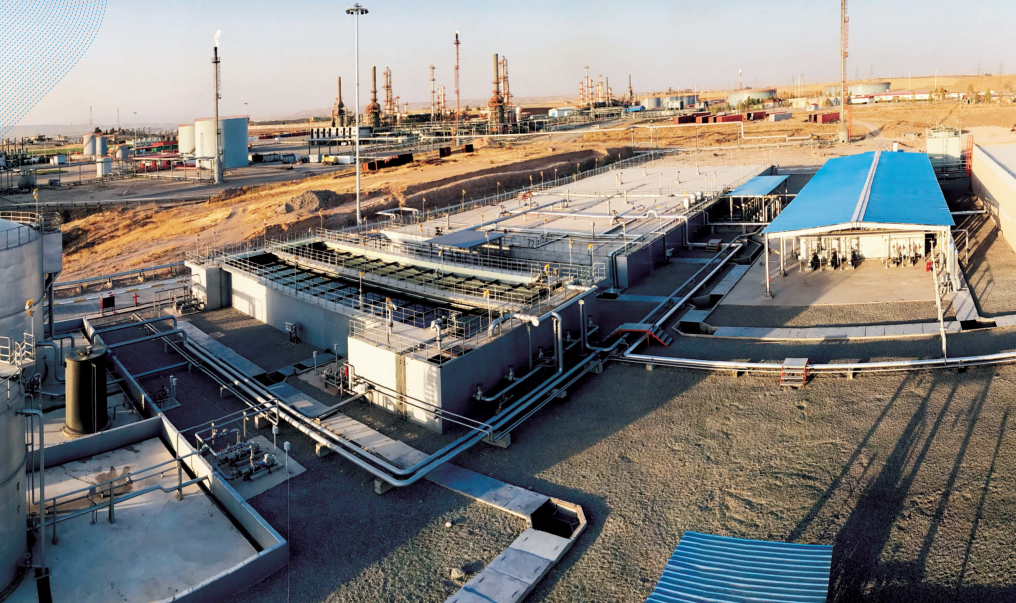
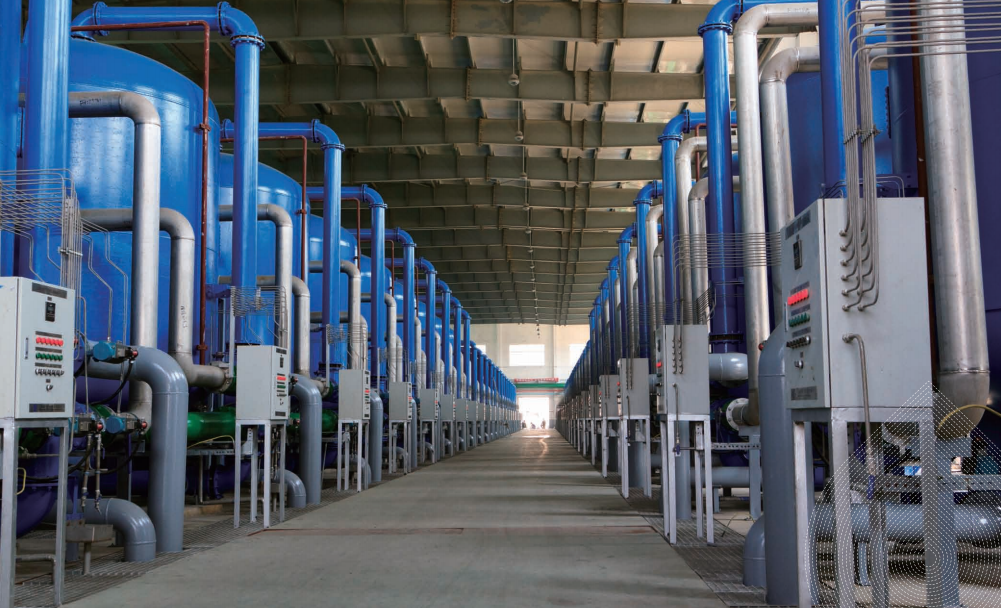
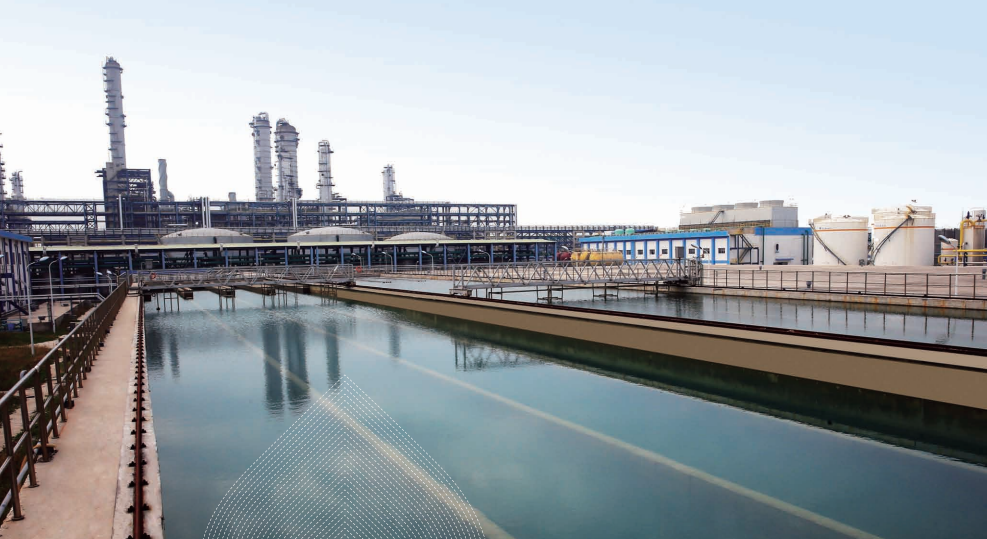
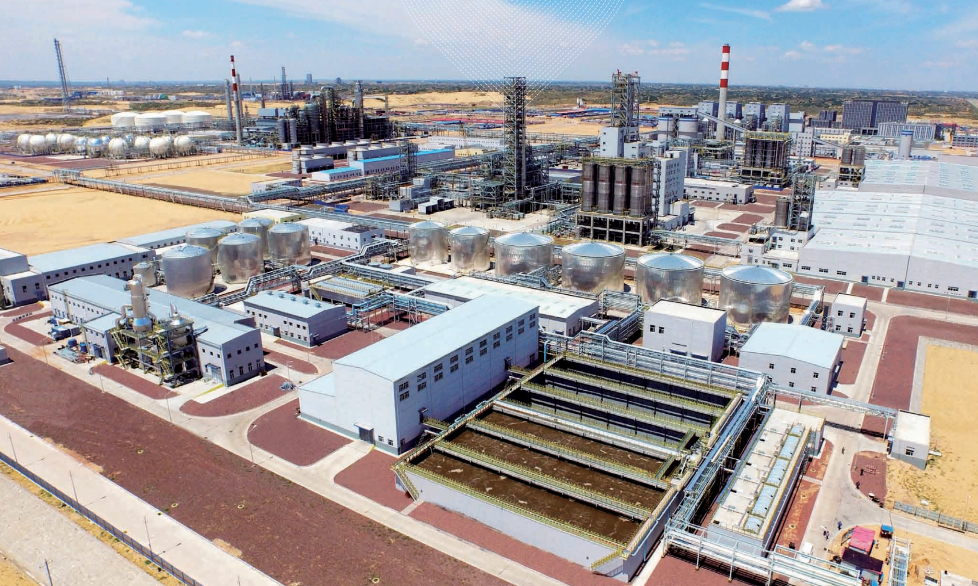
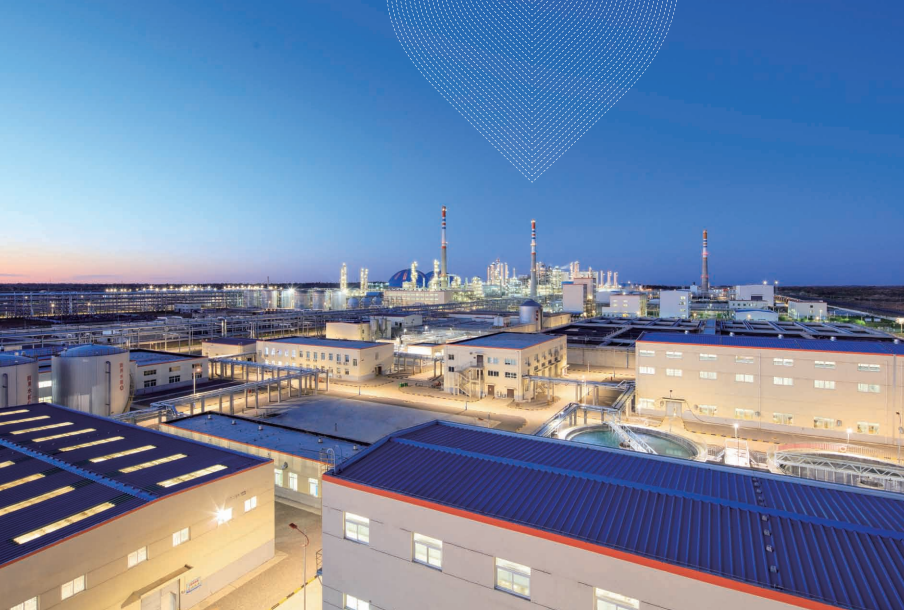
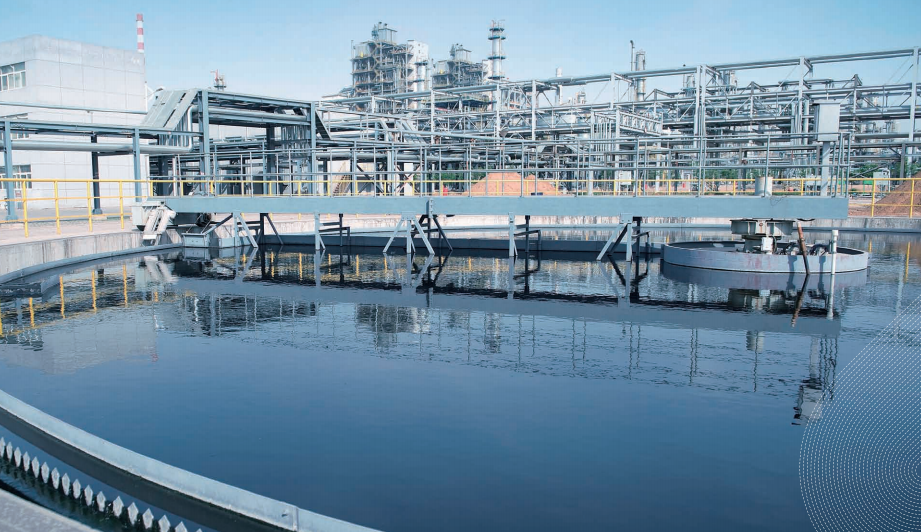
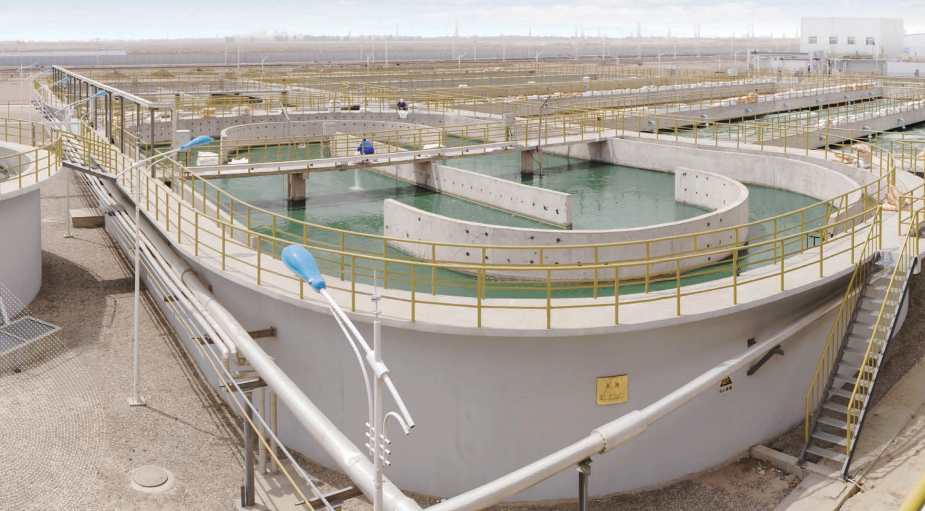
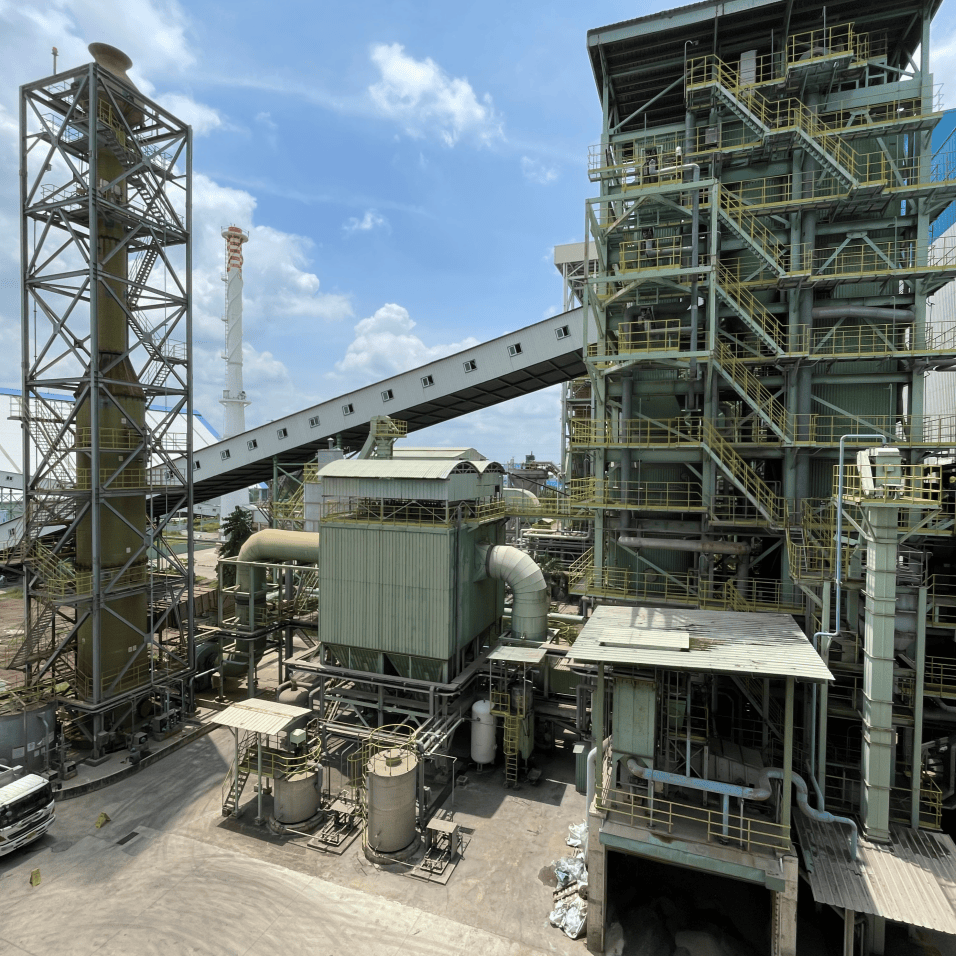
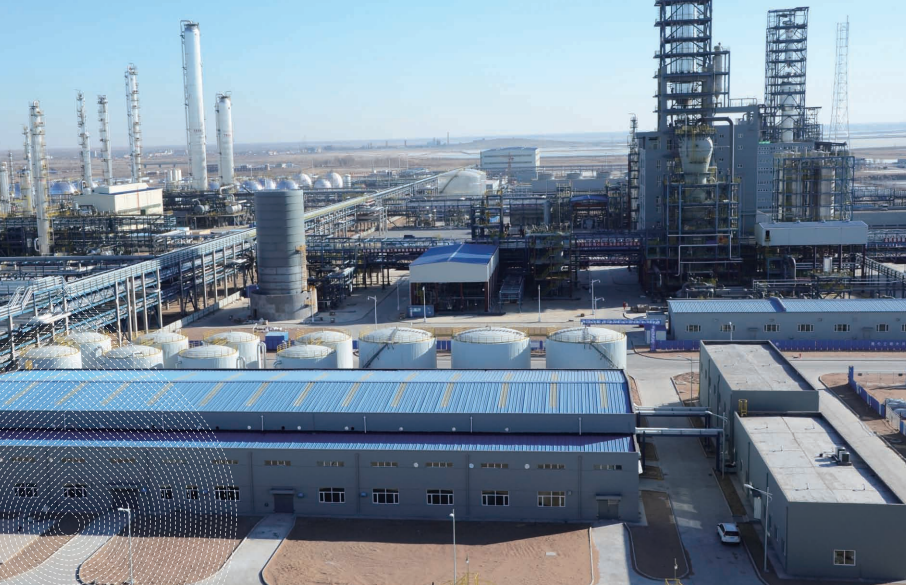
This project is the demineralized water and condensate station set up for the 500,000 tons/year engineering plastics project of Inner Mongolia China Coal Mengda New Energy Chemical Co., Ltd. After completion, it provides qualified demineralized water to various process units, power stations, etc., and treats and recovers clean condensate and oily condensate. This project has been completed, and in the 2013 annual comprehensive evaluation of Inner Mongolia China Coal Mengda New Energy Chemical Co., Ltd., it won first place in safety, quality, progress, and civilized construction!
Process Overview:
Clean Condensate: Heat exchange + Iron removal filter + Condensate mixed bed
Oily Condensate: Heat exchange + Surface condensate filter + Activated carbon filter + Condensate mixed bed
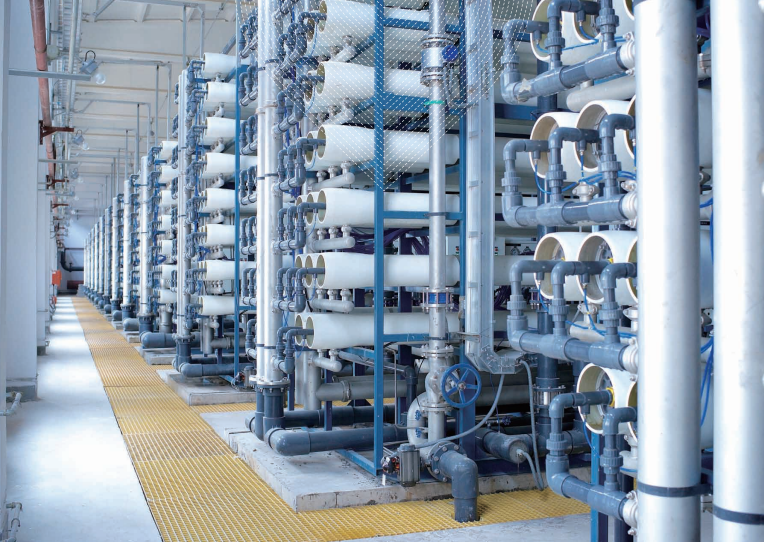
Demineralized Water: UF + RO + Cation floating bed + Anion floating bed + Mixed bed
Project Scale:
Clean Condensate: 160m³/h
Oily Condensate: 300m³/h
Demineralized Water: 600m³/h
Project Highlights:
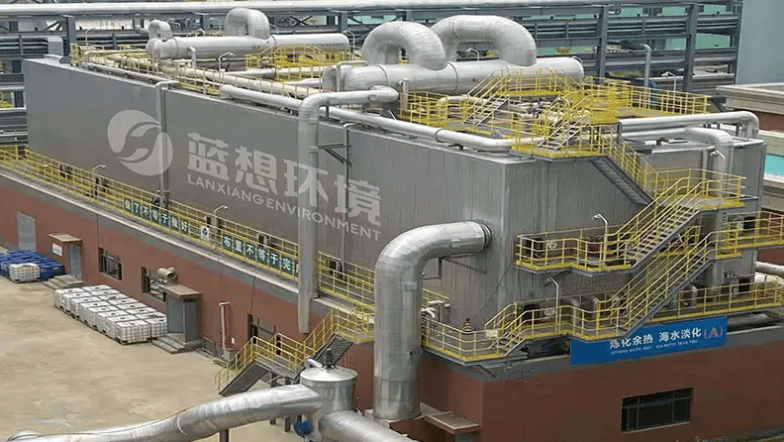
Effective utilization of condensate thermal energy
The heat from recovered condensate is used to heat raw water and final demineralized water, achieving effective utilization of thermal energy.
Application of surface condensate filter
Backwashable filter element ensures effective iron removal while the filter element does not need frequent replacement, resulting in low operating costs.
Application of double membrane method
The mature application in demineralized water treatment process can effectively reduce acid and alkali consumption per ton of water, with simple operation and convenient maintenance.
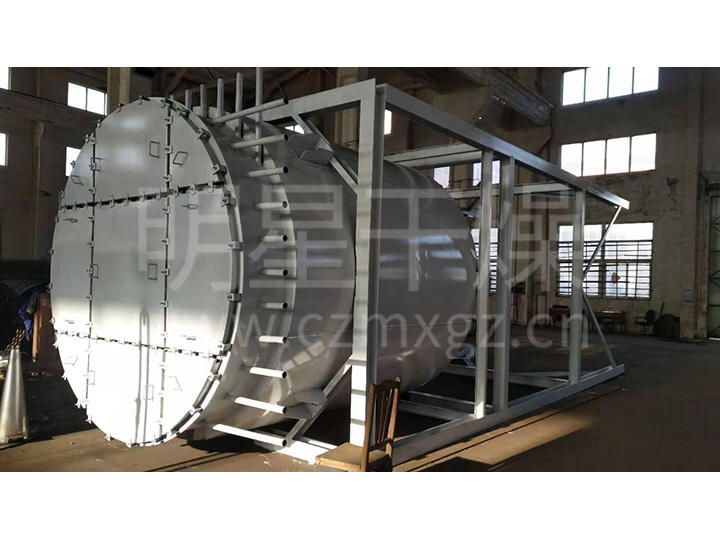
Application of high-efficiency floating bed
The floating bed also has advantages such as good effluent quality, low regenerant consumption, less waste liquid discharge, small equipment volume, large water output, and simple operation.