

Water Treatment Technology
1. High-Efficiency Enhanced Calcium Removal Technology
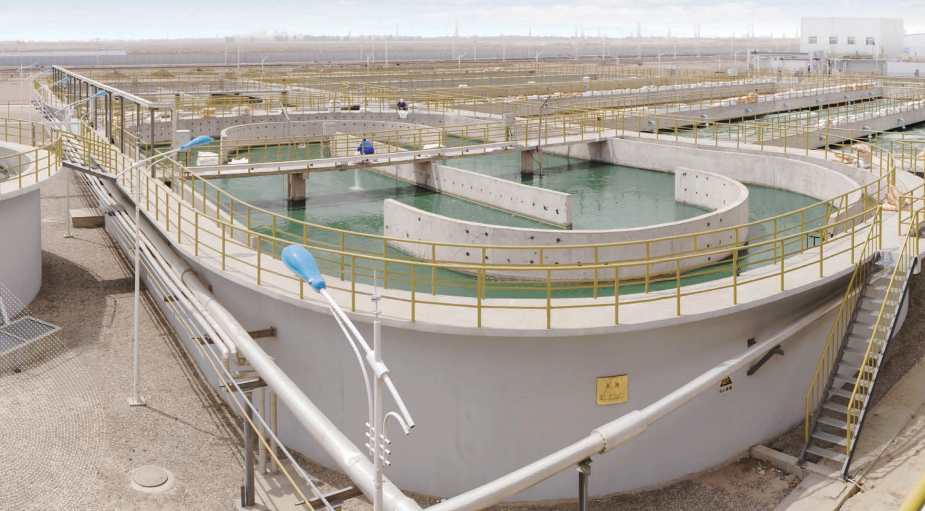
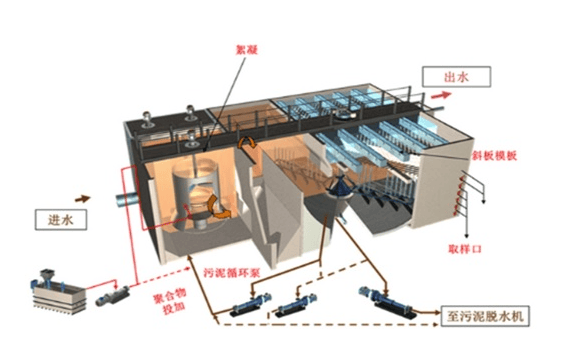
This technology is mainly based on the principle of shallow precipitation, developed by integrating coagulation, flocculation, calcium removal, and sludge thickening, primarily used for advanced treatment and reuse of calcium-containing wastewater.
l Coagulation, flocculation, calcium reaction, and precipitation areas are highly integrated, with compact equipment and small footprint;
l Counter-flow staggered stirring system ensures full mixing of wastewater with coagulant and calcium remover, improving chemical utilization efficiency and reducing dosing costs;
l Flow-measuring water distribution system ensures calcium sludge passes through the precipitation area with maximum success, maximizing calcium sludge removal and ensuring stable and reliable effluent quality; fully utilizes laminar flow principle combined with shallow layer technology to improve precipitation system treatment capacity;
2. High-Efficiency Sewage Purification System
Boqi desulfurization wastewater treatment has nearly 100 sets of operating performance, with mature technology, stable and reliable operation, and rich engineering implementation experience. In recent years, Boqi has also been committed to R&D of advanced desulfurization wastewater treatment technology, adopting advanced foreign concentration technology to achieve reuse and near-zero discharge of desulfurization wastewater.
l High-efficiency unpowered sewage purifier can quickly remove SS, TP, COD, heavy metals, and other pollutants from sewage, greatly reducing the total amount of pollutants entering water bodies and rapidly restoring black and odorous water bodies;
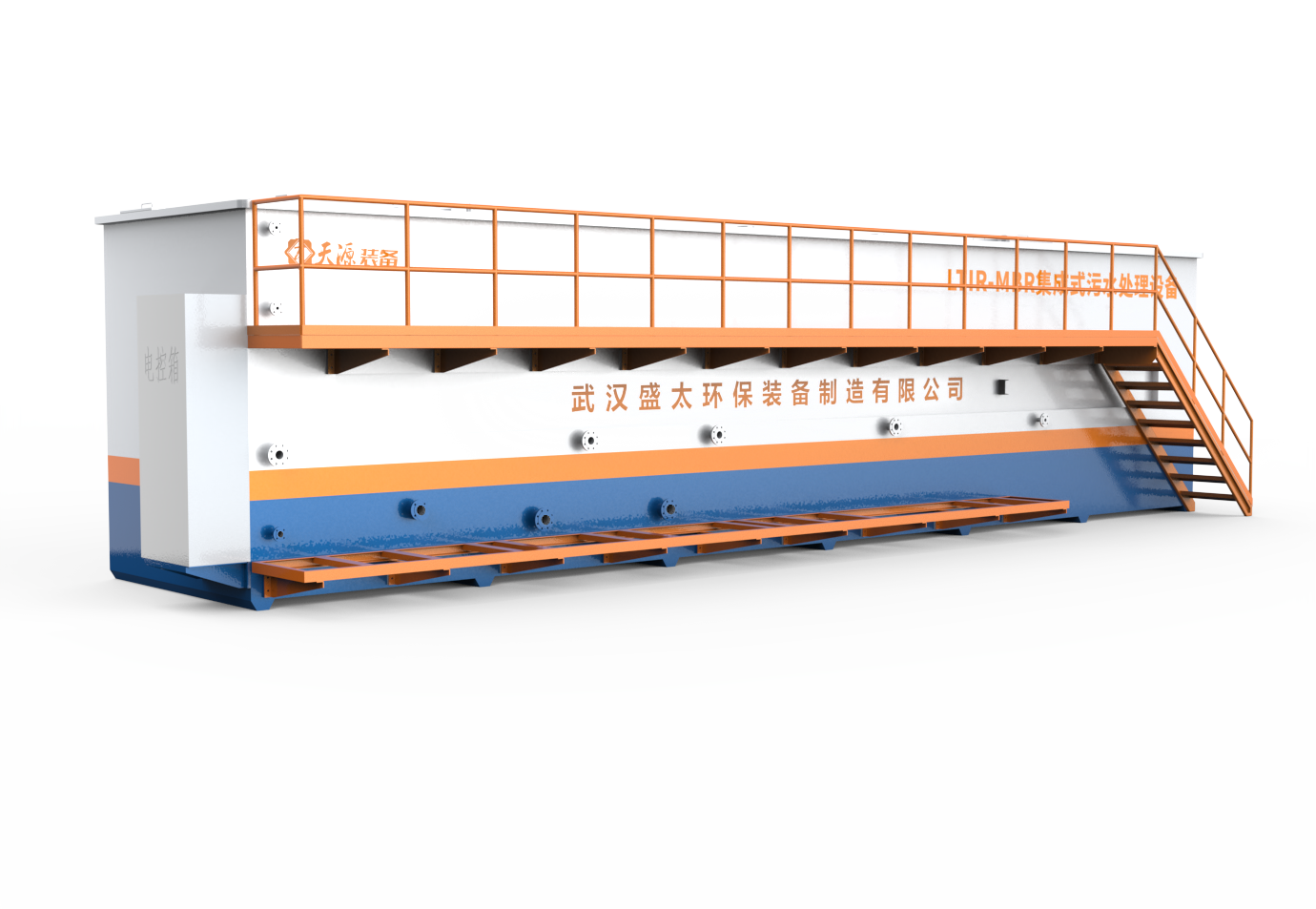
l The equipment consists of rapid mixing zone, coagulation reaction zone, high-density flocculation zone, ultra-high-speed precipitation zone, and sludge thickening zone;
Available in horizontal and vertical design forms, with simple structure and small footprint. Through core technologies such as ultra-high-speed mixing and precipitation, internal circulation reaction, efficient mud layer adsorption and interception, and high-load precipitation, it achieves efficient phosphorus removal, turbidity reduction, reoxygenation, and other functions for sewage, realizing the goal of "ecological future, green governance";
3. Anaerobic Reactor
This technology uses microorganisms under anaerobic conditions to convert organic pollutant COD into biogas CH4, widely applied in light industries such as food, beverage, fermentation, papermaking, landfill leachate, etc.
l Vertical structure, small footprint, height generally 12-20 meters; high organic load, short hydraulic retention time, maximum volumetric loading up to 20kgCOD/(m³·d); low rising velocity, energy saving (rising velocity controlled at 2-4m/h, no excessive reflux required);
l Special design of three-phase separator fully promotes microbial growth while increasing biogas yield (gas production rate up to 0.4m³/kgCOD)
l Strong impact load resistance and toxicity tolerance, widely suitable for various industrial wastewater treatments, no moving parts inside, no maintenance required, long service life
4. Fluidized Bed Fenton Oxidation Technology
This technology uses hydroxyl radicals to directly mineralize pollutants in wastewater, effectively degrading extremely difficult-to-decompose compounds such as cyclic, phenyl, and chelating compounds, widely used in industrial wastewater treatment in papermaking, printing and dyeing, pharmaceutical, and other industries.
l A new technology combining homogeneous chemical oxidation (Fenton method), heterogeneous chemical oxidation (H2O2/FeOOH), fluidized bed crystallization, and reduction dissolution of FeOOH
l Improves on the disadvantage of excessive sludge production in traditional Fenton method, using electric field or crystallization technology to enhance treatment effect and reduce chemical sludge production, greatly expanding the application range
l Can reduce the large amount of chemical sludge produced by traditional Fenton method; iron oxides formed on the carrier surface have heterogeneous catalytic effect, and the fluidized bed method also promotes chemical oxidation reaction and mass transfer efficiency, improving CODcr removal rate
5. Wet Flue Gas Desulfurization Wastewater Treatment Technology
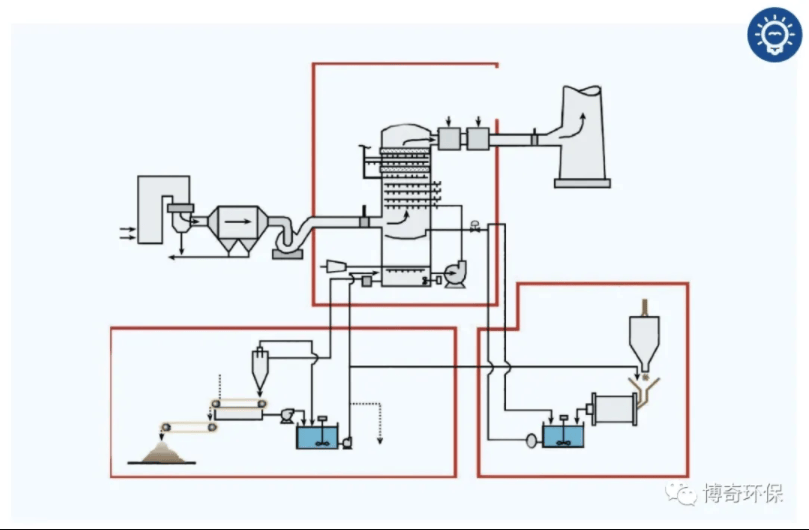
Boqi desulfurization wastewater treatment has nearly 100 sets of operating performance, with mature technology, stable and reliable operation, and rich engineering implementation experience. In recent years, Boqi has also been committed to R&D of advanced desulfurization wastewater treatment technology, adopting advanced foreign concentration technology to achieve reuse and near-zero discharge of desulfurization wastewater.