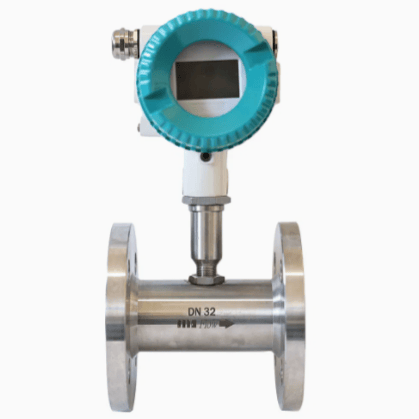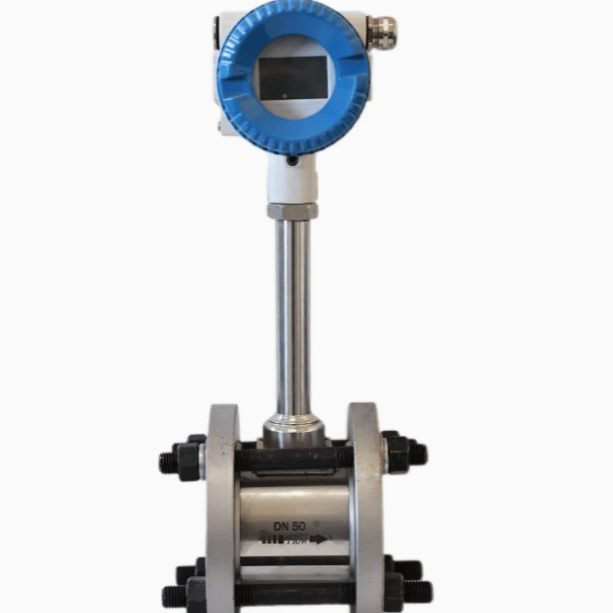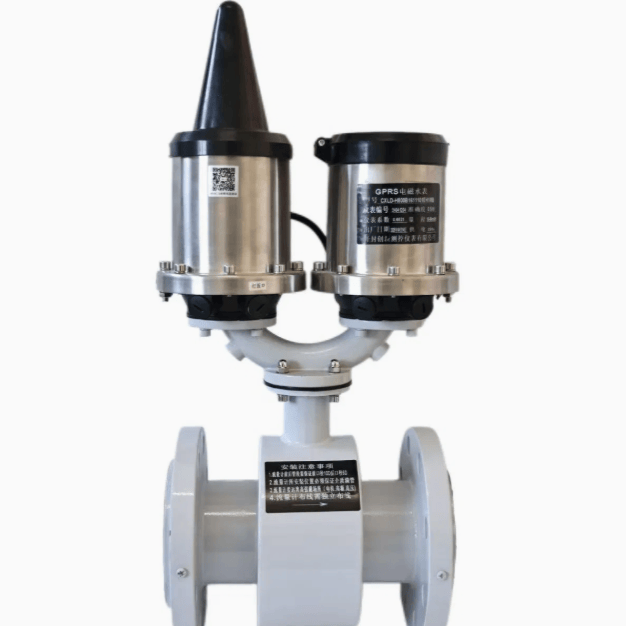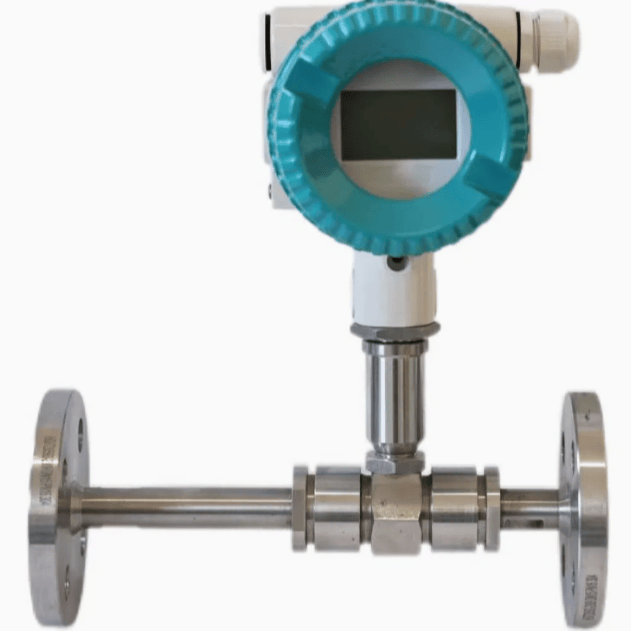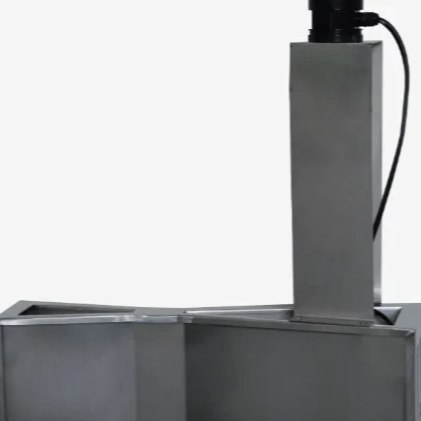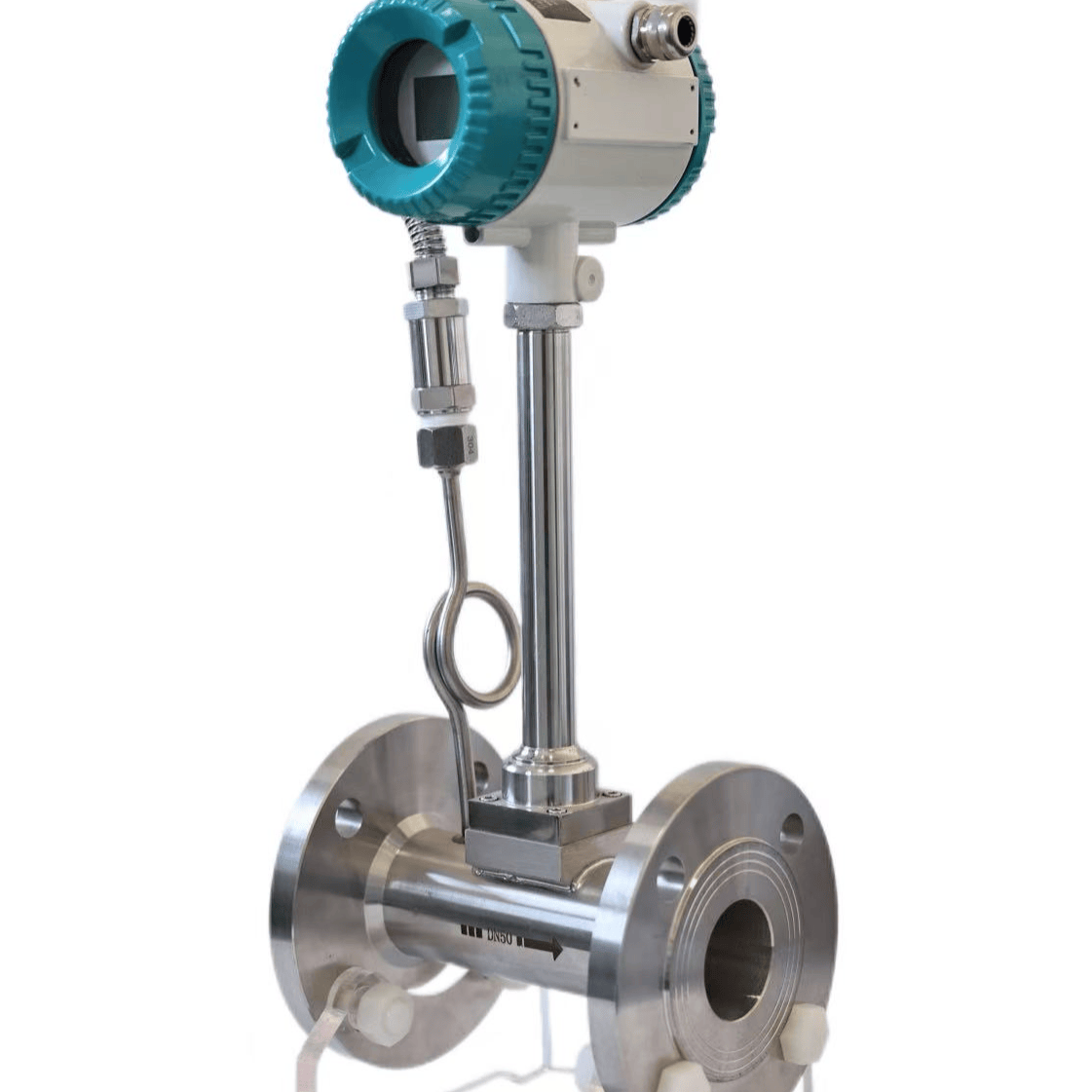
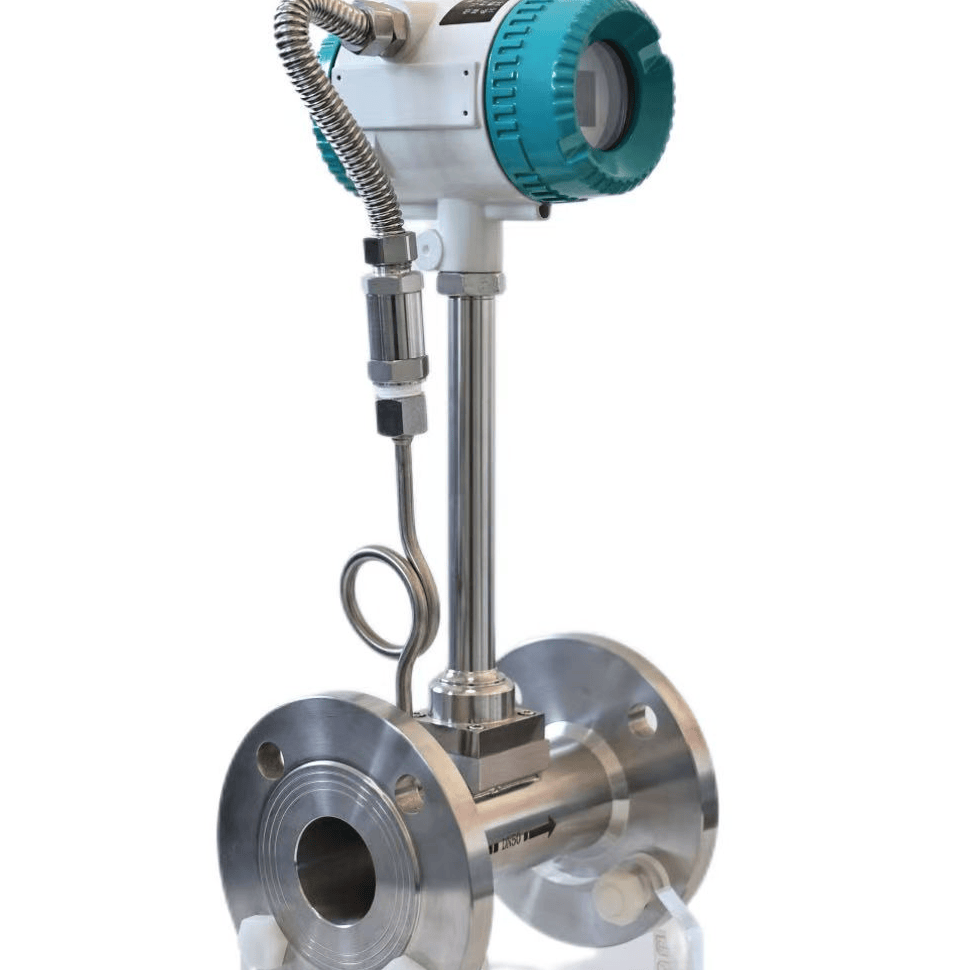
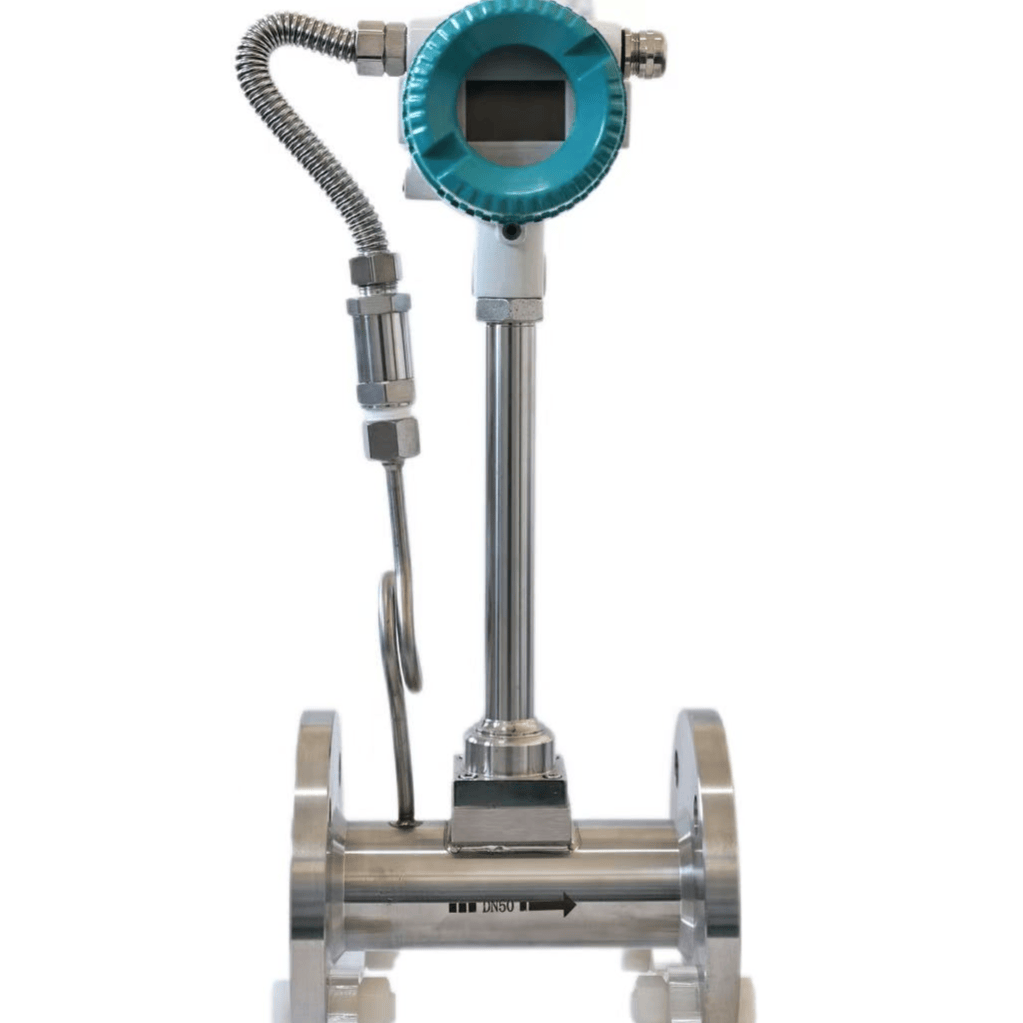
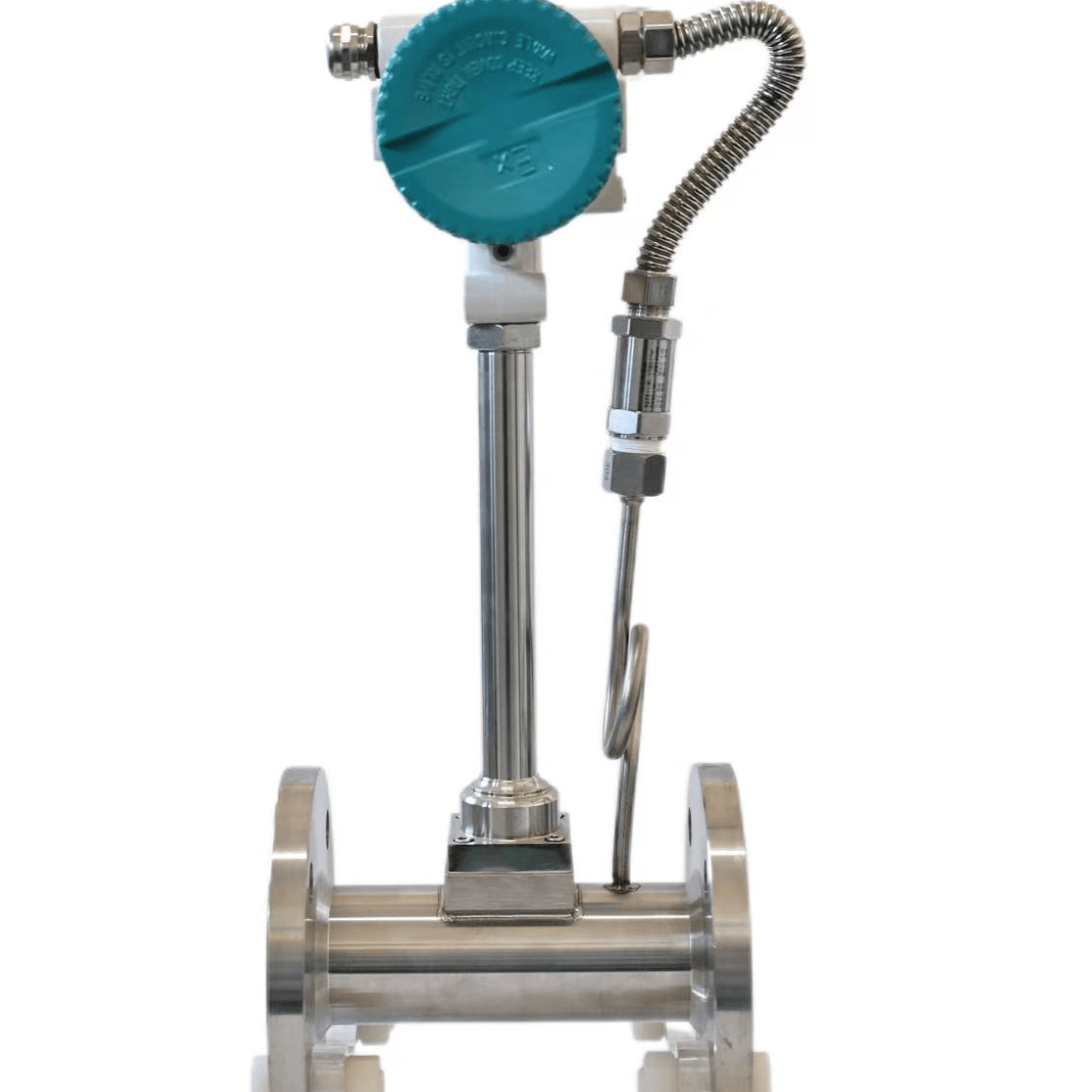
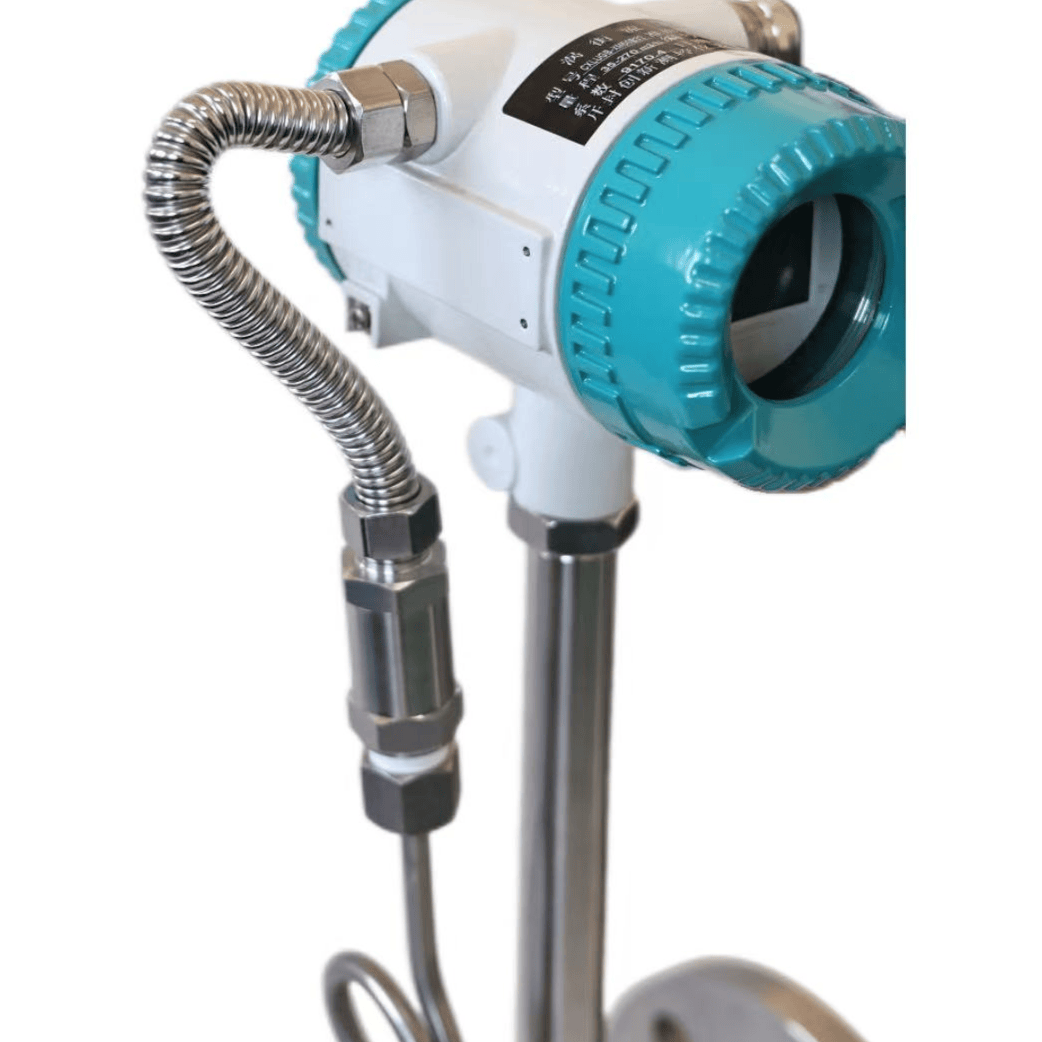


Under specific activity conditions, part of the fluid kinetic energy is converted into fluid vibration, and its vibration frequency has a definite proportional relationship with flow velocity (flow rate). Flowmeters working based on this principle are called fluid vibration flowmeters. There are currently three types of fluid vibration flowmeters: vortex flowmeters, precessing (vortex precession) flowmeters, and jet flowmeters. Fluid vibration flowmeters have the following characteristics:
1) The output is pulse frequency, whose frequency is proportional to the actual volume flow of the measured fluid, and it is not affected by fluid composition, density, pressure, or temperature;
2) Wide measurement range, generally the range ratio can reach more than 10:1;
3) Accuracy is at medium to upper level;
4) No moving parts, high reliability;
5) Simple and firm structure, convenient installation, and low maintenance cost;
6) Wide range of applications, applicable to liquids, gases, and vapors.