

Product Introduction
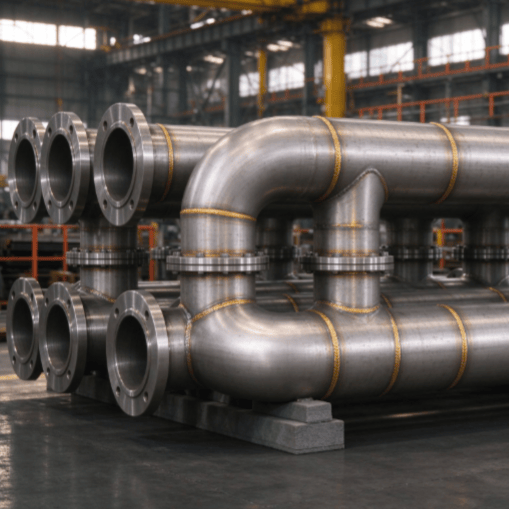
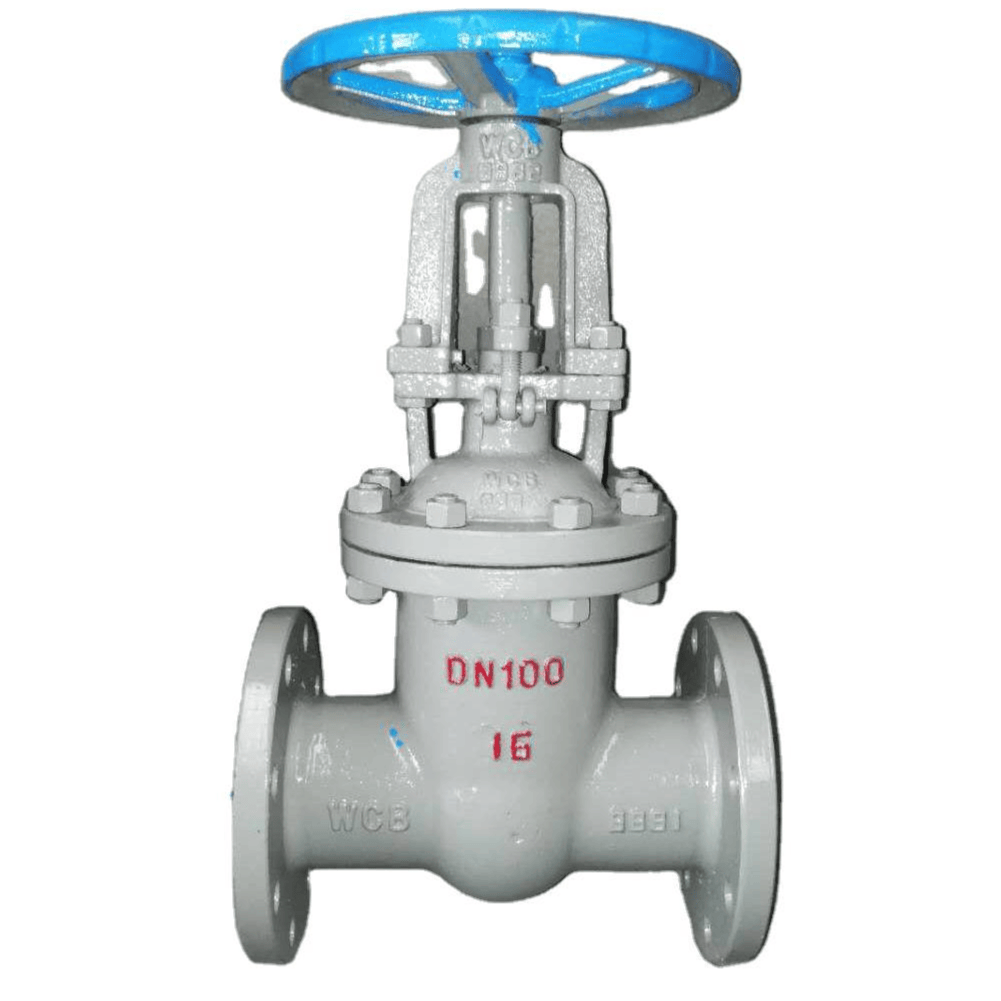
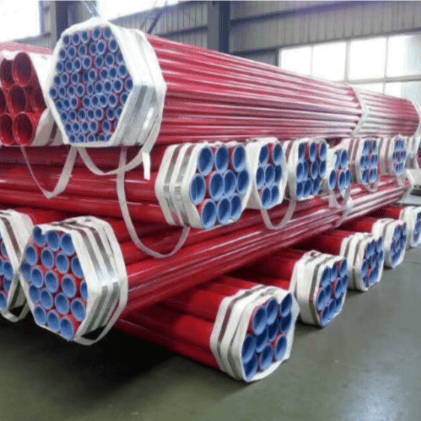
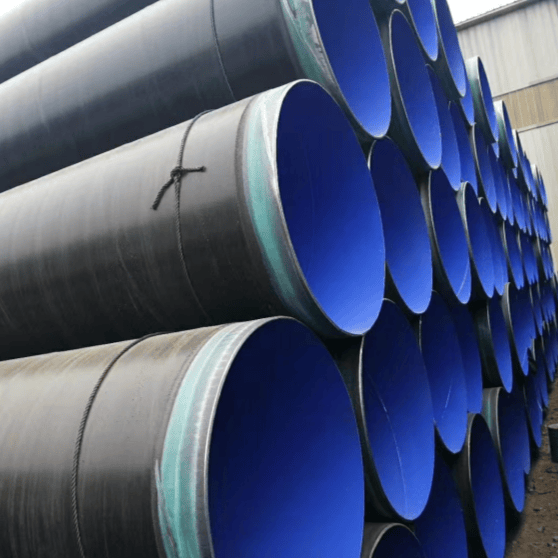
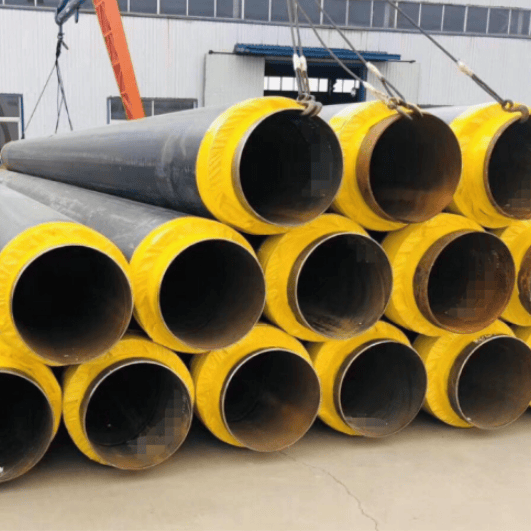
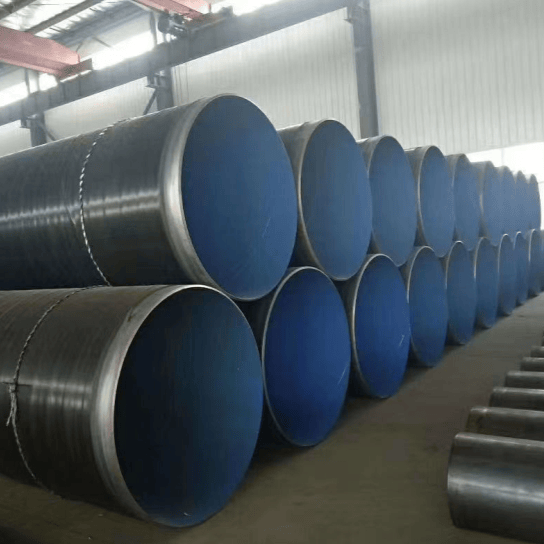
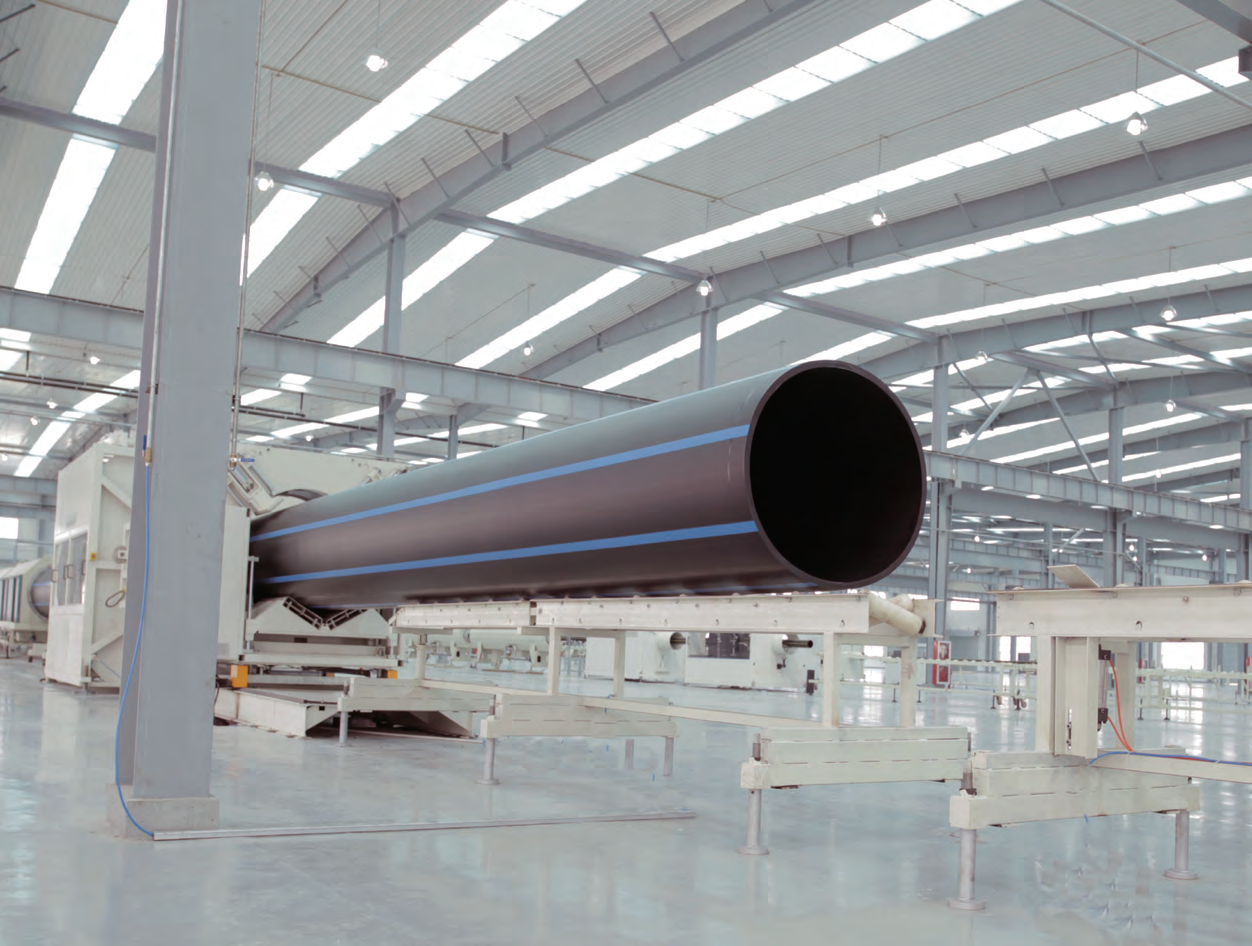
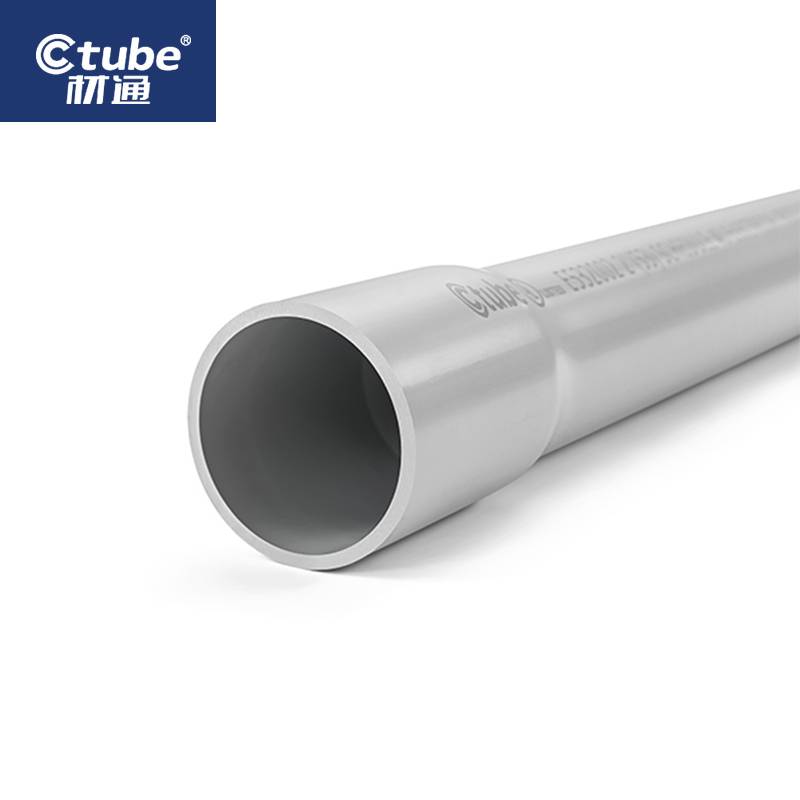
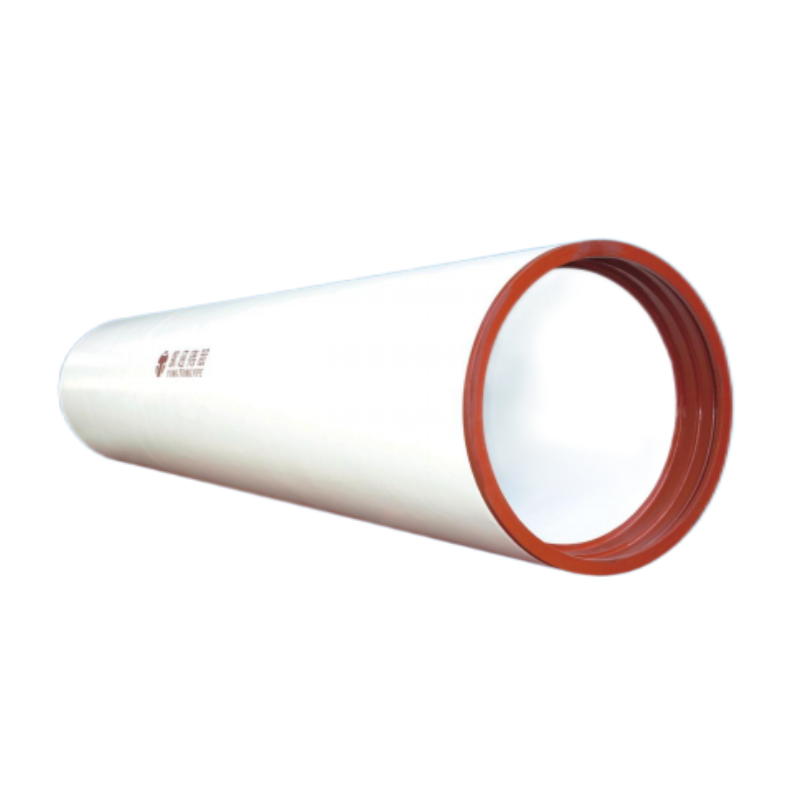
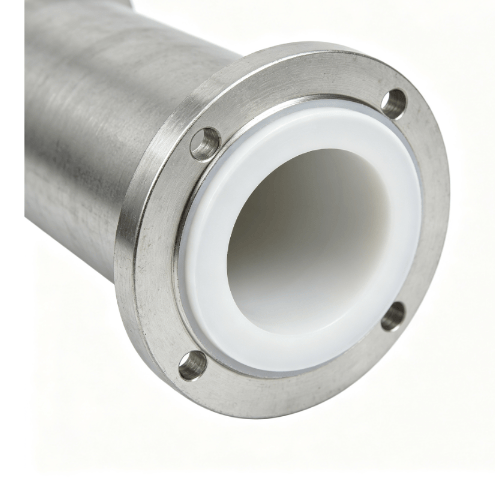
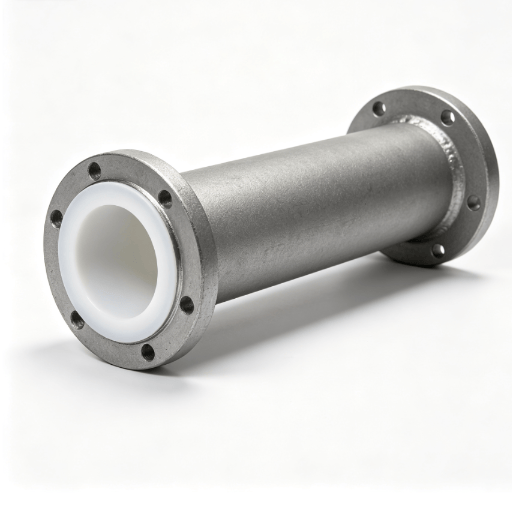
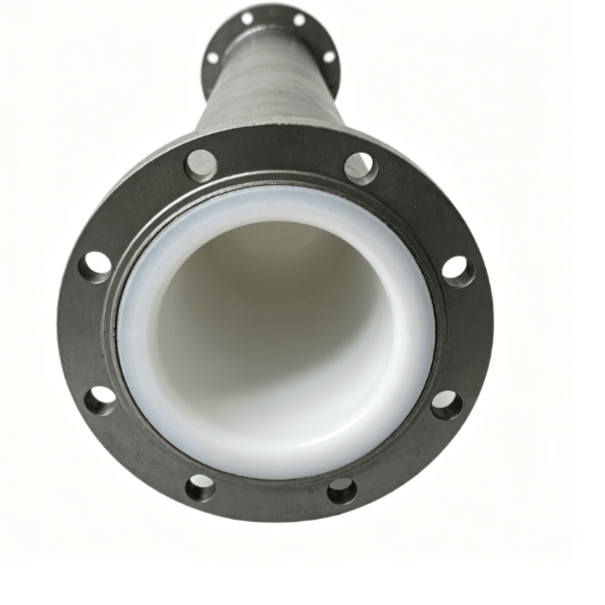
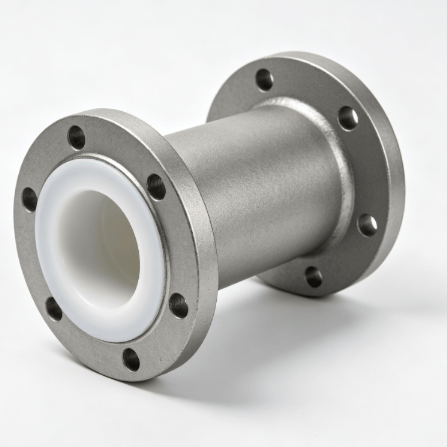
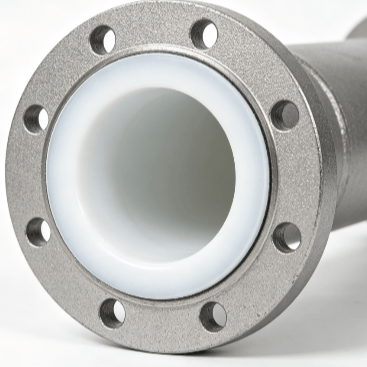
Steel-lined plastic pipe (plastic-lined composite pipe) uses carbon steel pipe as the base material, with a PE, PO, or PP thermoplastic lining applied internally via rotational molding / cold drawing. The exterior retains the mechanical strength of the steel pipe, while the inner plastic layer isolates corrosive media, combining the high strength of steel with the acid and alkali corrosion resistance of plastic. The complete set of lined pipe fittings includes: lined elbows, lined tees, lined crosses, lined reducers, and lined flanges—the entire piping system is fully lined with an anti-corrosion layer, with no exposed metal contacting the media. All connections are flanged; field welding is strictly prohibited (welding will burn and damage the internal plastic lining). The smooth inner surface resists scaling, is hygienic and non-toxic, and withstands weak acids, weak alkalis, salt solutions, and wastewater media. Widely used in chemical plants, power plant chemical water systems, wastewater treatment, pharmaceuticals, water supply and drainage, and desulfurization and denitrification pipelines.
Complete Fittings List (Fully Lined)
- Lined 90°/45° elbows: change pipeline direction, flanged connection, complete internal lining layer
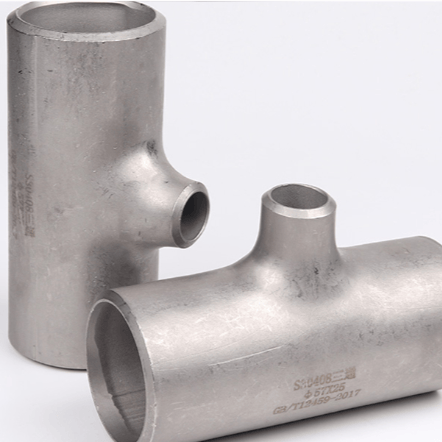
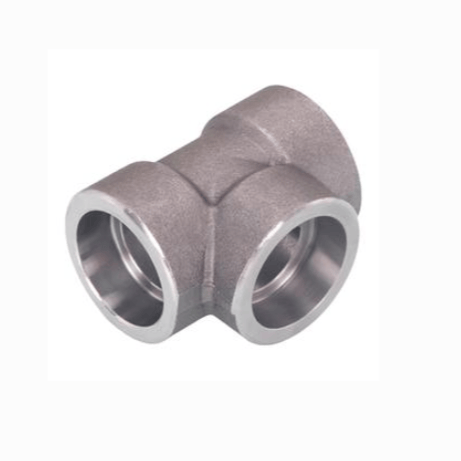
- Lined tees (equal / reducing): for flow branching and merging
- Lined crosses (equal / reducing): for four-way media distribution
- Lined reducers (concentric / eccentric): for pipe diameter transitions; eccentric preferred for horizontal liquid service
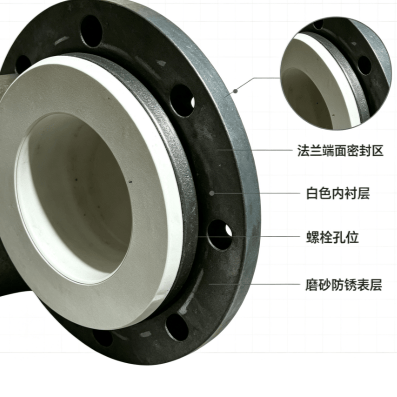
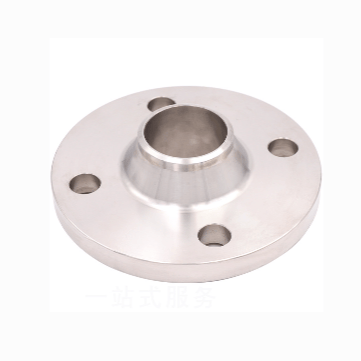
- Lined flanges: fully lined on the inner face of the flange, with gaskets matched to the anti-corrosion service conditions
Application Scenarios
- Chemical industry: pipelines for dilute acids, alkali solutions, salt solutions, and chemical wastewater
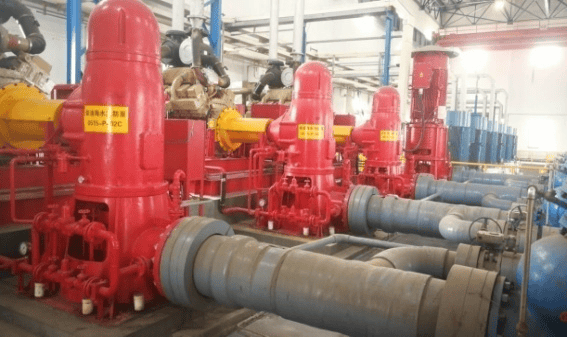
- Power plants: chemical water, desulfurization and denitrification process pipelines
- Environmental wastewater treatment: sewage, reclaimed water, and exhaust gas scrubbing circulation pipelines
- Pharmaceutical and food industries: pure water and process media delivery (food-grade PE lining)
- Municipal water supply and drainage: drinking water and industrial circulating water pipelines