

Product Introduction
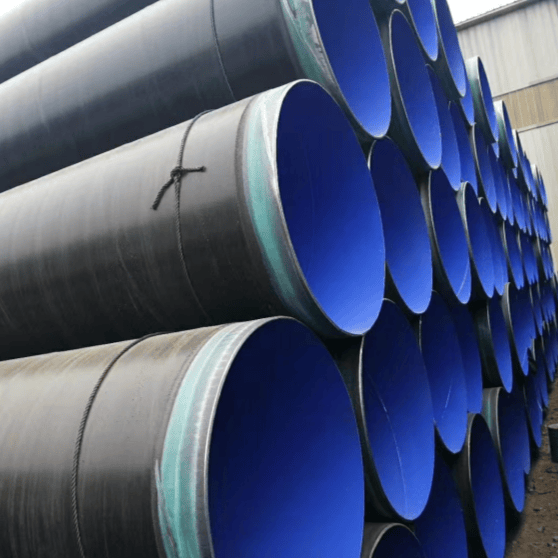
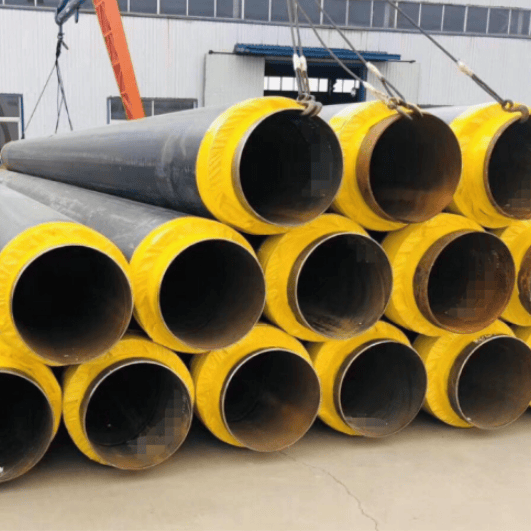
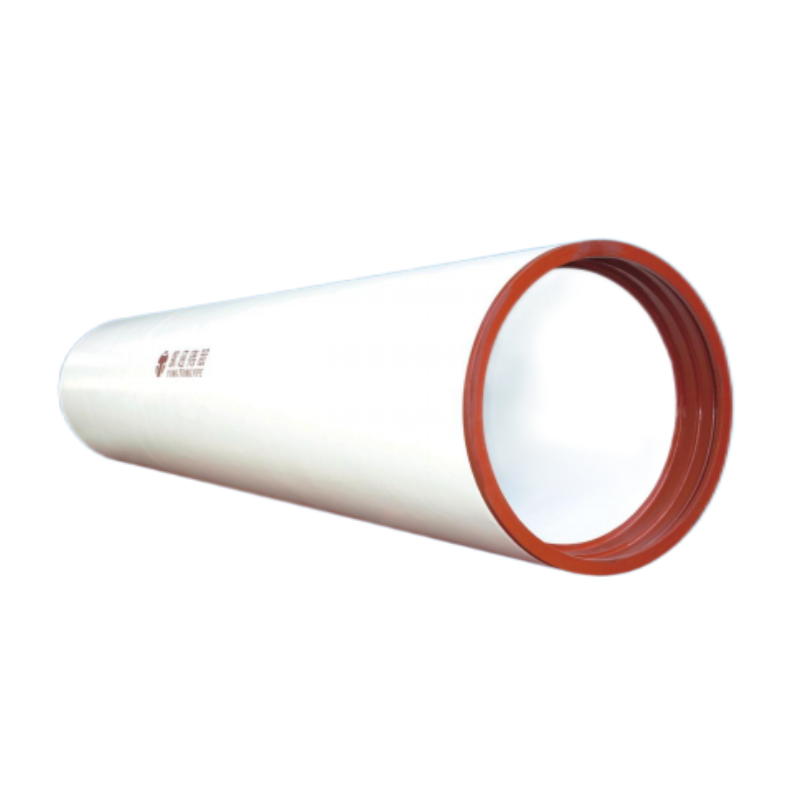
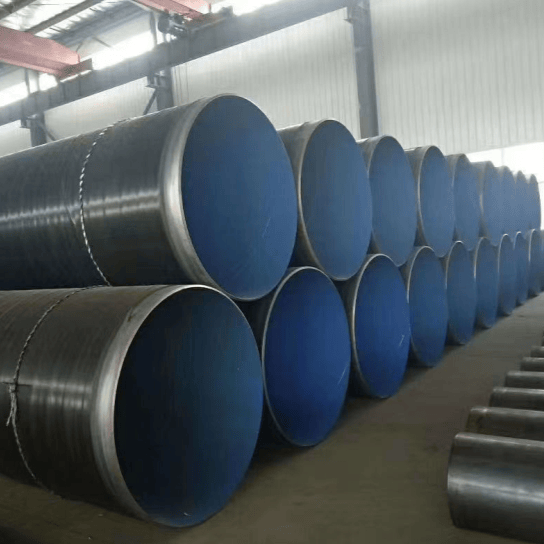
3PE anti-corrosion steel pipe, namely three-layer polyethylene external anti-corrosion steel pipe, features an outer wall formed by a three-layer composite of epoxy powder primer - copolymer adhesive intermediate layer - high-density polyethylene outer layer integrated in one molding process. It combines the excellent chemical corrosion resistance of epoxy powder with the high mechanical protection of polyethylene, making it the mainstream external anti-corrosion product for buried steel pipelines.
- Structural Principle: The steel pipe is blast-cleaned to Sa2.5 grade, heated by medium frequency induction, then electrostatically sprayed with epoxy powder, followed by extrusion coating of adhesive and polyethylene layers. The three layers fuse together in a molten state, isolating water, oxygen, acids, alkalis, and salts in the soil to inhibit electrochemical corrosion.
- Key Advantages: Excellent anti-corrosion performance, impact resistance, resistance to soil stress, good insulation, extremely low water absorption; buried design service life of 30-50 years, suitable for complex corrosive soil environments.
- Application Fields: Long-distance oil and natural gas pipelines, municipal gas, water supply and drainage, sewage networks, chemical buried pipelines, power plant ash conveying, water conservancy projects, and other buried steel pipeline projects.
- Pipe Base Material: Seamless steel pipe, spiral submerged arc welded steel pipe, longitudinal welded steel pipe; materials Q235B, Q345B, etc.; standard single-piece lengths of 6m and 12m, with customizable lengths available.
- Executive Standards: GB/T 23257-2017 "Polyethylene Coating for Buried Steel Pipelines"; industry standard SY/T 0413-2022; reference to DIN30670 and ISO21809.
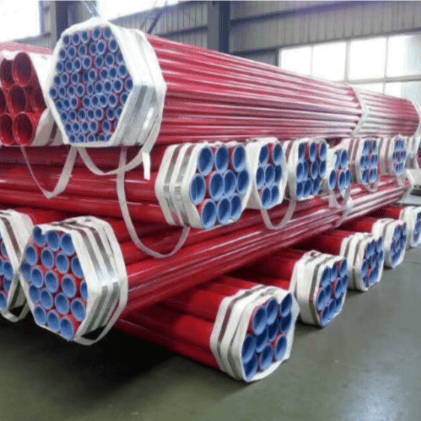
Note: Only external 3PE coating; if internal anti-corrosion is required, internal epoxy powder can be applied, referred to as TPEP anti-corrosion steel pipe.
Three-Layer Anti-Corrosion Coating Structure
- Primer Layer: Fusion Bonded Epoxy Powder (FBE) forms chemical bonds with the steel pipe substrate, providing adhesion, cathodic disbondment resistance, and chemical corrosion resistance; for pipe diameters <500mm ≥120μm; for pipe diameters ≥500mm ≥150μm.
- Intermediate Layer: Ethylene Copolymer Adhesive (AD) with a thickness of 170-250μm, serving as a bridge to bond the epoxy powder layer and polyethylene layer, preventing interlayer delamination.
- Outer Layer: High-Density Polyethylene (HDPE) provides mechanical protection, impact resistance, and water barrier properties. Available in standard grade and reinforced grade; the vast majority of buried pipeline projects use the reinforced grade.