
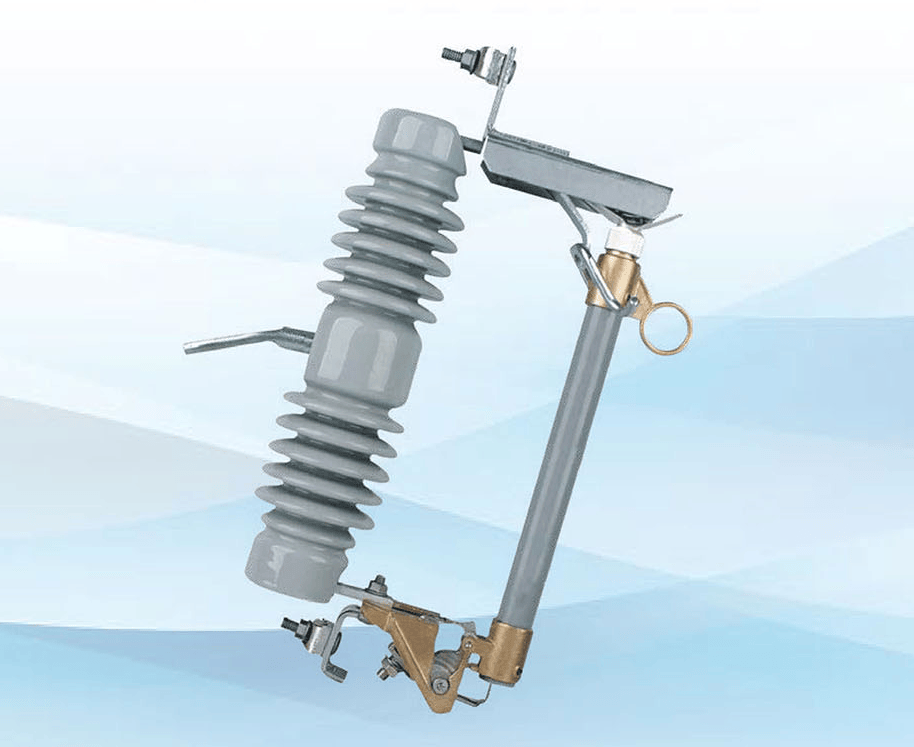
The drop-out fuse and the load-break drop-out fuse are outdoor high-voltage protective devices. They are installed on the high-voltage side of distribution transformers or on distribution line branch mains, serving as short-circuit and overload protection for transformers and lines, as well as for making and breaking load current. The drop-out fuse consists of two parts: an insulating support and a fuse tube. The fixed contacts are mounted at both ends of the insulating support, and the movable contacts are mounted at both ends of the fuse tube. The fuse tube is composed of an inner arc-extinguishing tube and an outer phenolic paper tube or epoxy glass cloth tube. The load-break drop-out fuse is equipped with reinforced elastic auxiliary contacts and an arc-extinguishing cover for making and breaking load current. During normal operation of the drop-out fuse, the fuse tube is held in the closed position by the tension of the fuse element. When a fault occurs in the system, the fault current causes the fuse element to melt rapidly, forming an electric arc. The arc-extinguishing tube is heated by the arc and decomposes a large amount of gas, creating high pressure inside the tube and forming a longitudinal blow along the tube. The arc is rapidly elongated and extinguished. After the fuse element melts, the lower movable contact loses tension and flips downward, the locking mechanism releases the fuse tube, and the fuse tube drops out, forming a clearly visible open position. When load breaking is required, an insulating rod is used to pull the movable contact. At this time, the main movable and fixed contacts remain in contact. The insulating rod continues to pull the contact, and the auxiliary contacts also separate, generating an arc between the auxiliary contacts. The arc is elongated in the narrow slot of the arc-extinguishing cover, and simultaneously the arc-extinguishing cover generates gas. When the current crosses zero, the arc is extinguished.
1/1


H□RW Drop-out Fuse
Negotiable
China
Building 2-33, Caicheng Industrial Park, Economic Development Zone, Shangrao City, Jiangxi Province
0793-8876066
471991863@qq.com
Product Introduction
Other products from this supplier

Negotiable
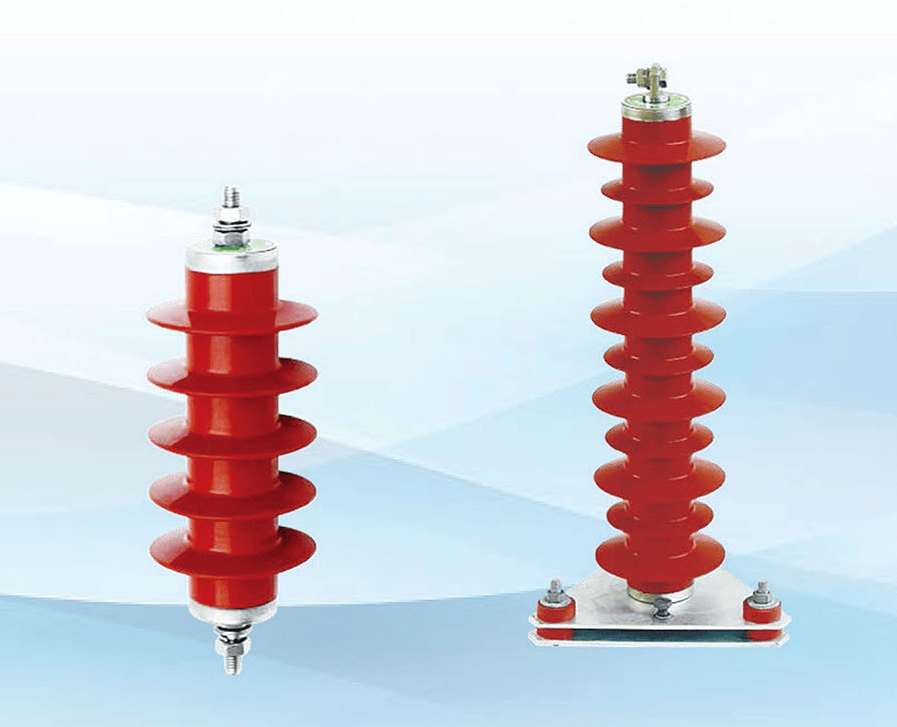
FY5WZ, FY5WS Zinc Oxide Surge Arresters
Negotiable
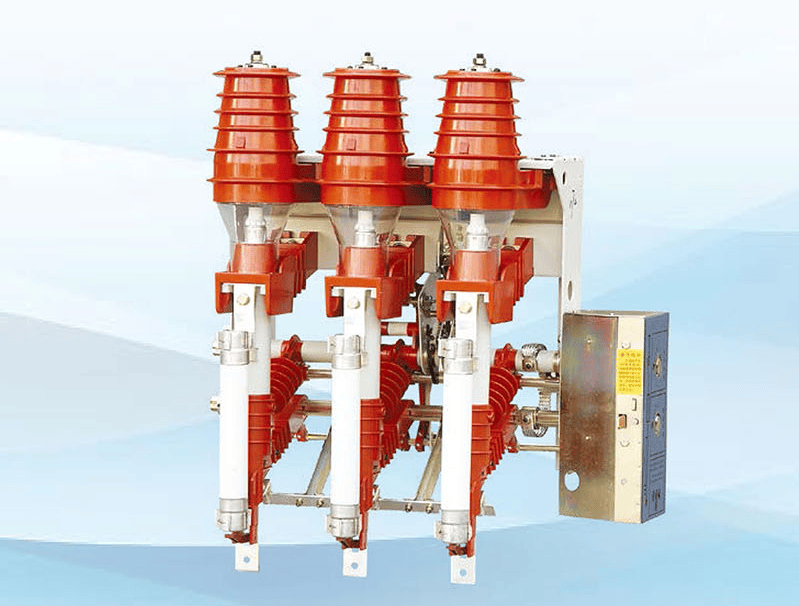
FKN12A-12/FJRB12A-12 Air Compressed Load Switch -- Fuse Combination Apparatus
Negotiable
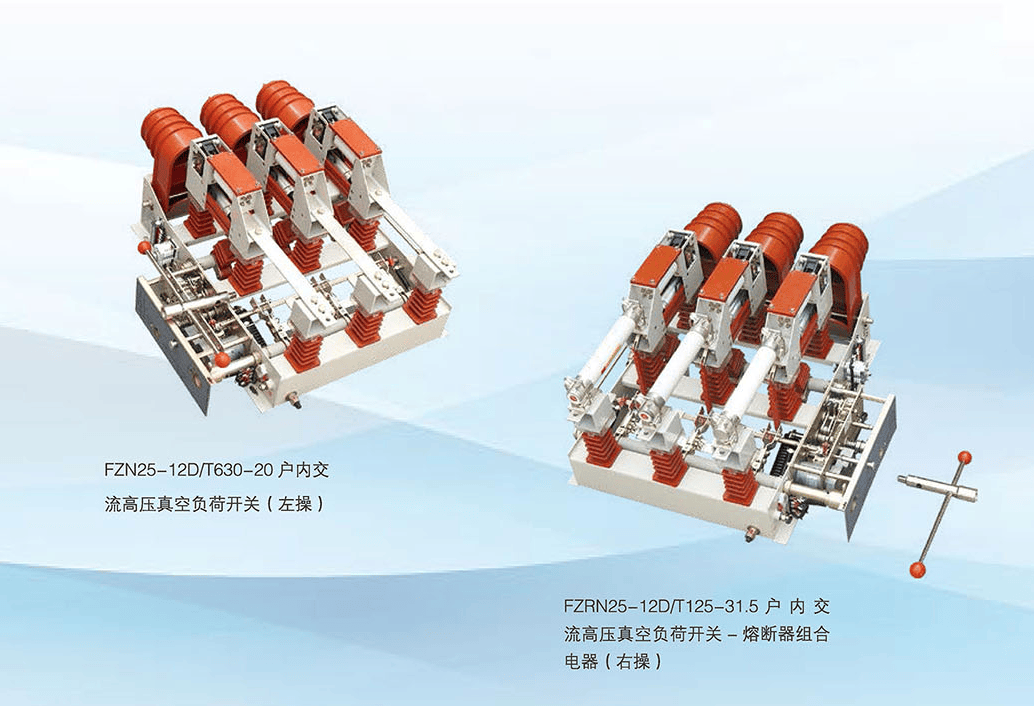
FZN25-12 Vacuum Load Break Switch
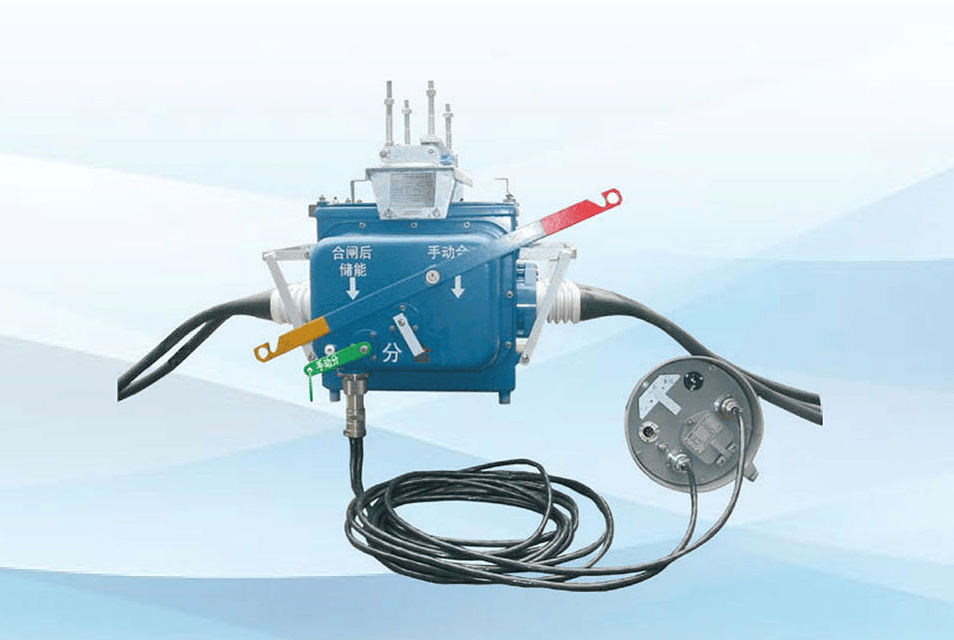
Negotiable
FZW28-12 Outdoor High-Voltage Boundary Vacuum Load Break Switch
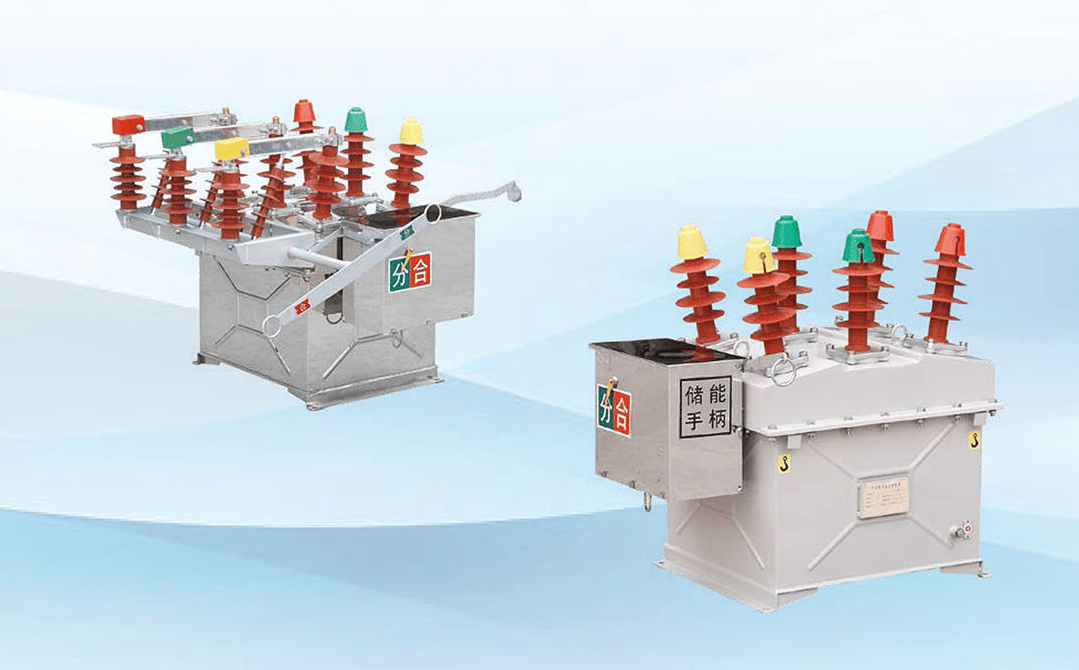
Negotiable
ZW8-12/630-20 Outdoor High Voltage Vacuum Circuit Breaker
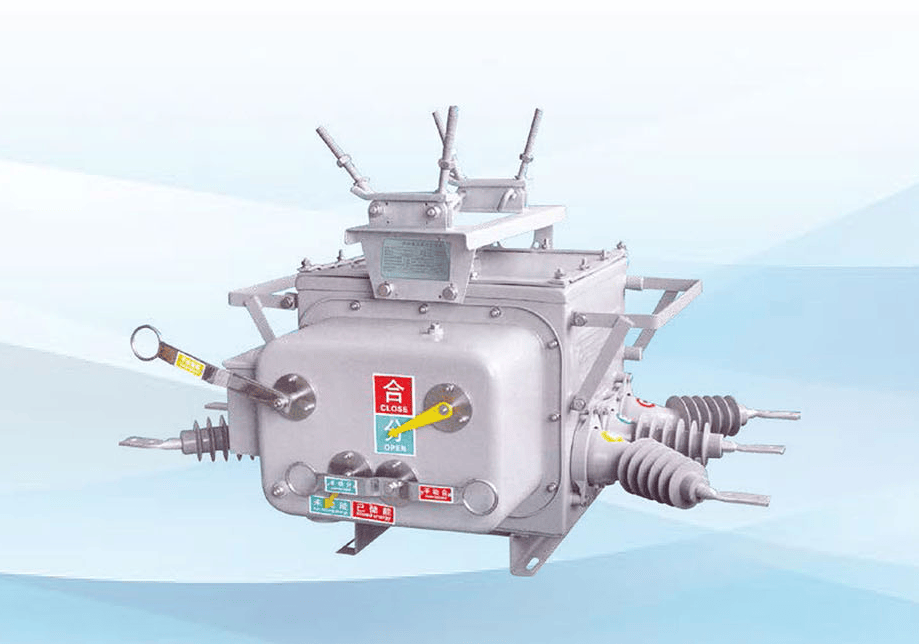
Negotiable
ZW20-12F Outdoor High-Voltage AC Boundary Vacuum Circuit Breaker
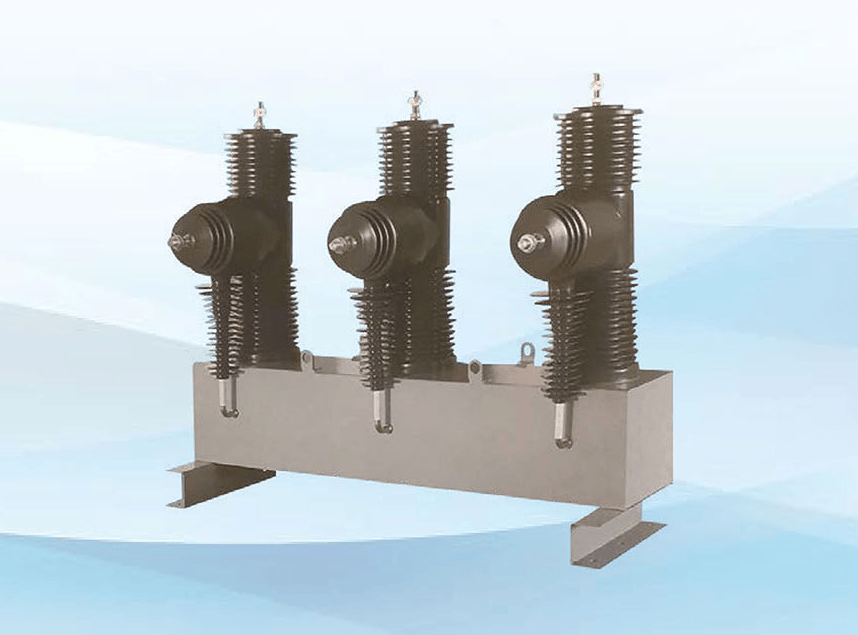
Negotiable
AB-YS-40.5 Outdoor High-Voltage Vacuum Circuit Breaker
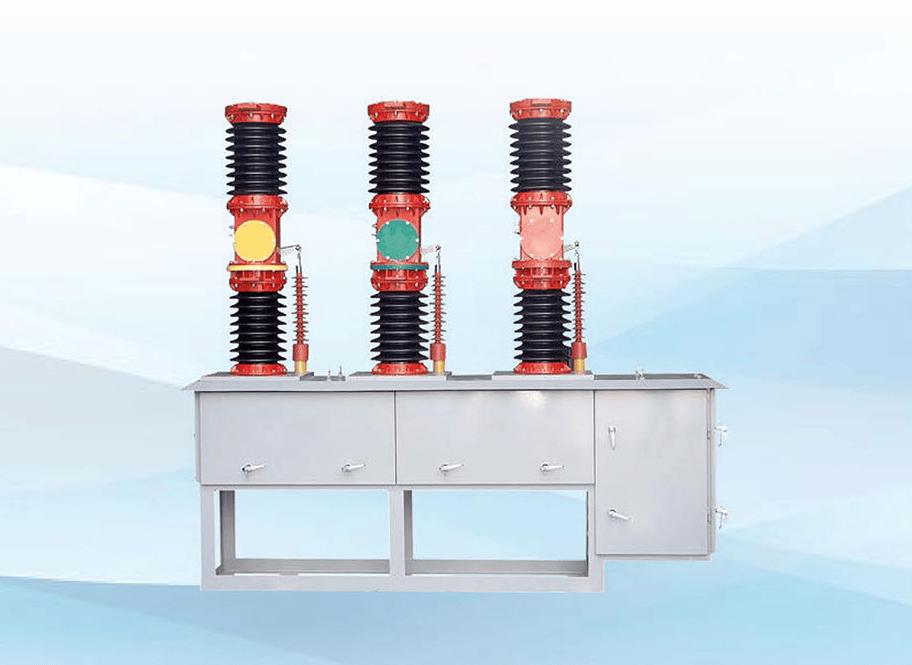
Negotiable
ZW7-40.5 Outdoor High-Voltage Vacuum Circuit Breaker
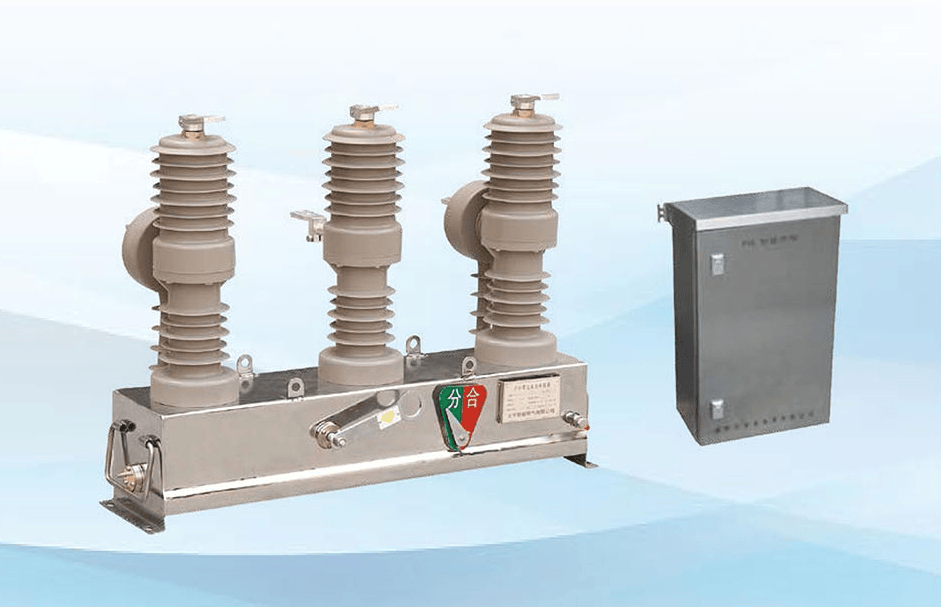
Negotiable
ZW32-12 Permanent Magnet Outdoor High-Voltage Vacuum Circuit Breaker
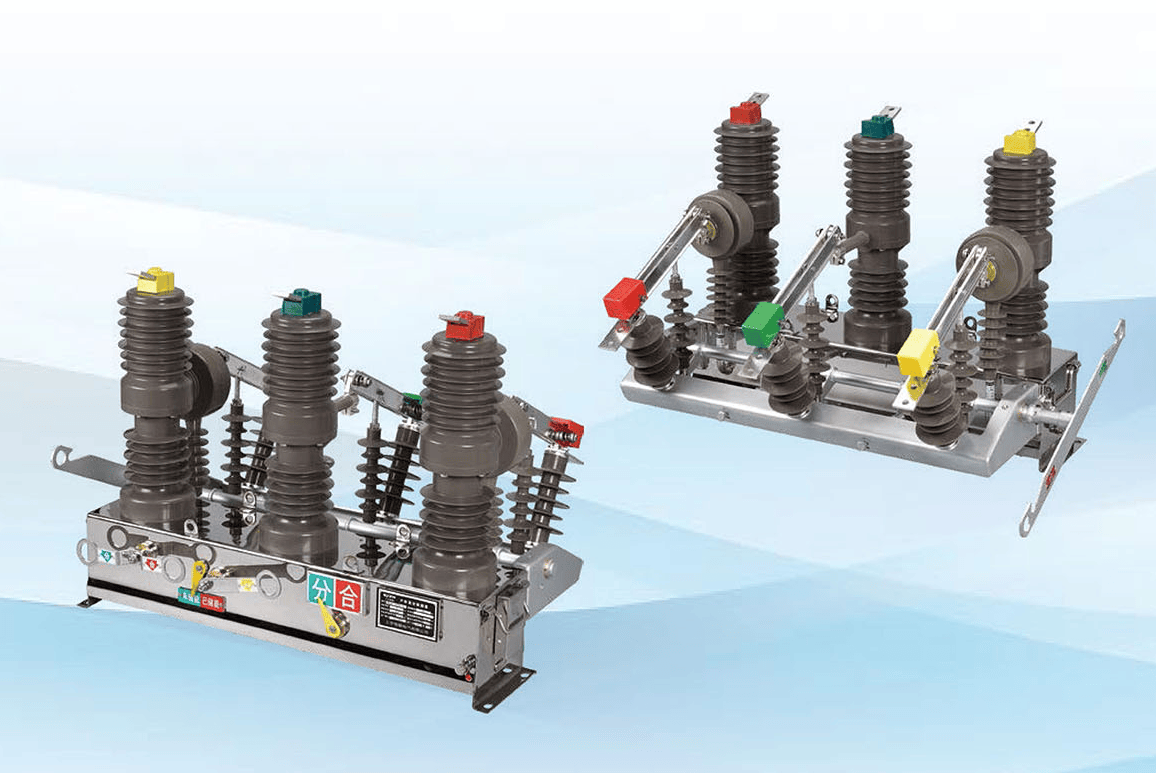
Negotiable
ZW32-12 Outdoor High-Voltage Vacuum Circuit Breaker
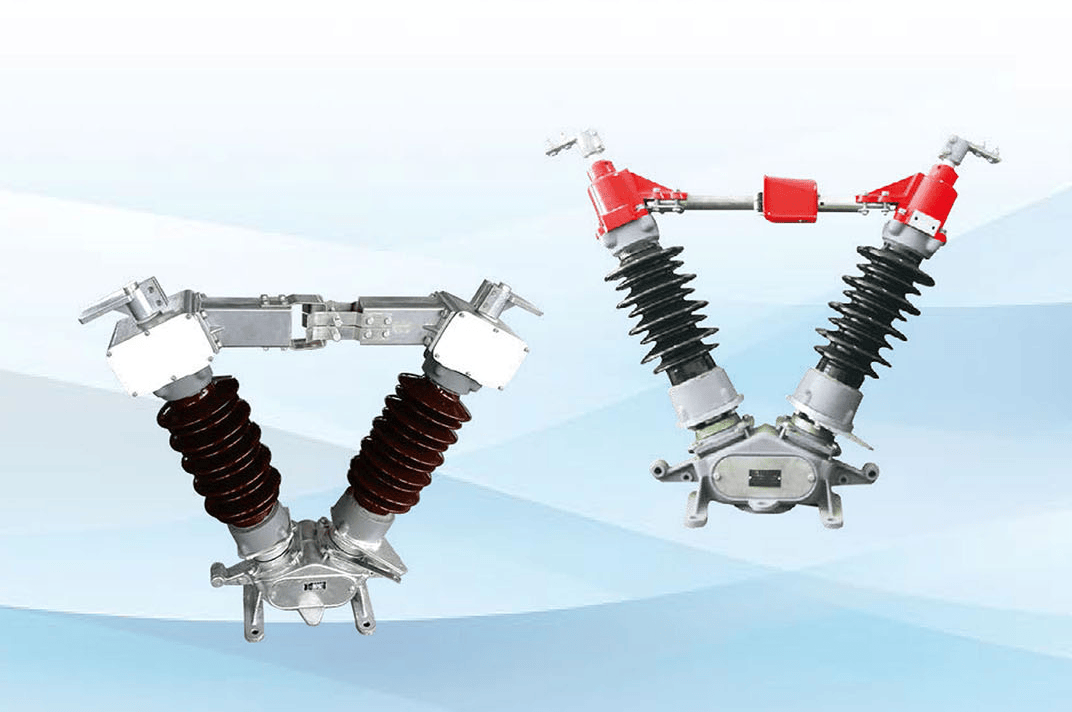
Negotiable
GW5 Outdoor High Voltage Disconnector
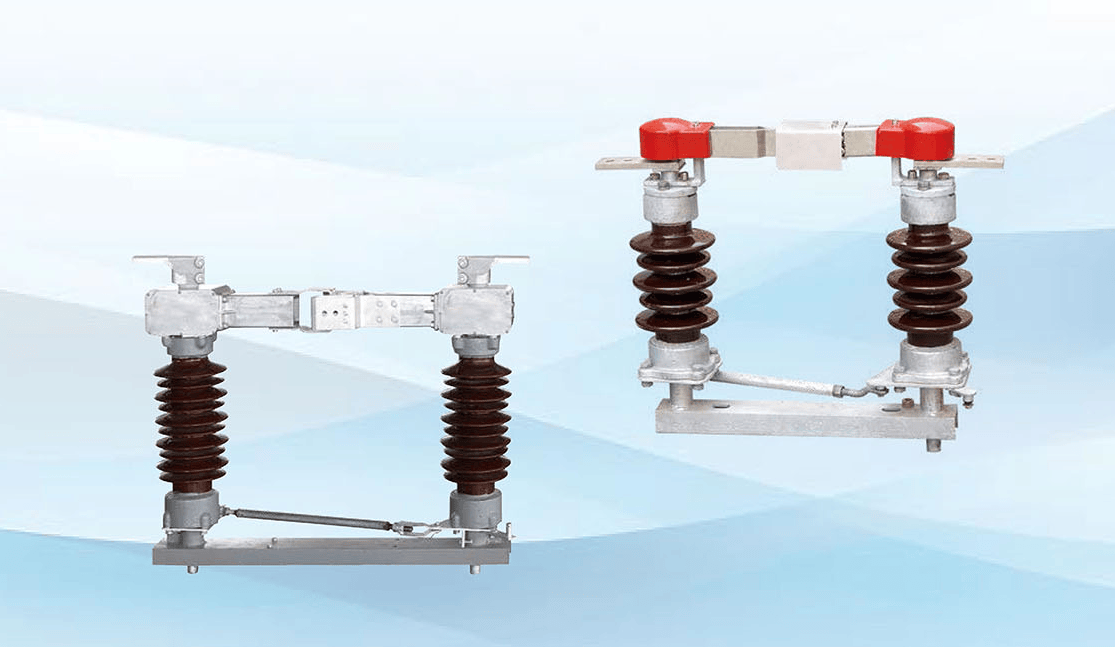
Negotiable
GW4 Outdoor High-Voltage Disconnector
Related Products
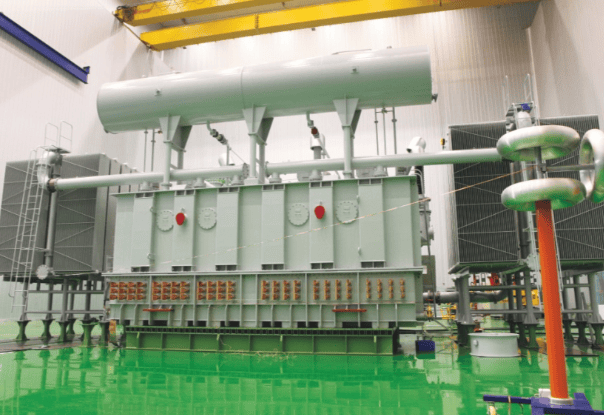
Rectifier Transformer
Negotiable
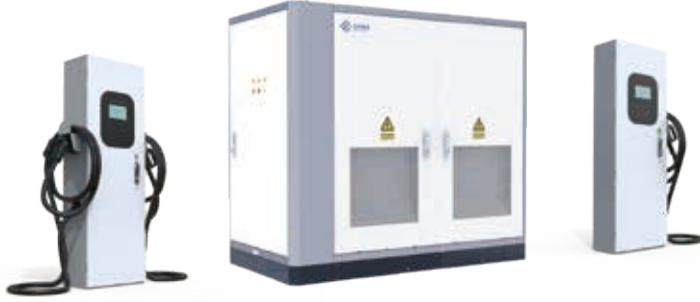
720/960kW Split Charging System
Negotiable
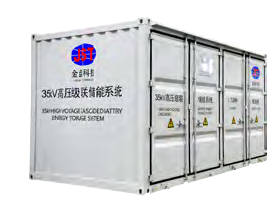
6kV-35kV Medium and High Voltage Direct-Connected Energy Storage System
Negotiable
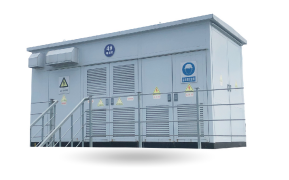
Smart Photovoltaic Prefabricated Substation
Negotiable
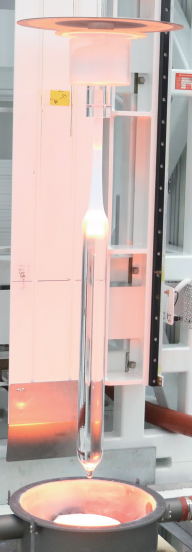
G.652.D Wavelength-extended Non-dispersion Shifted Single-mode Optical Fiber
Negotiable
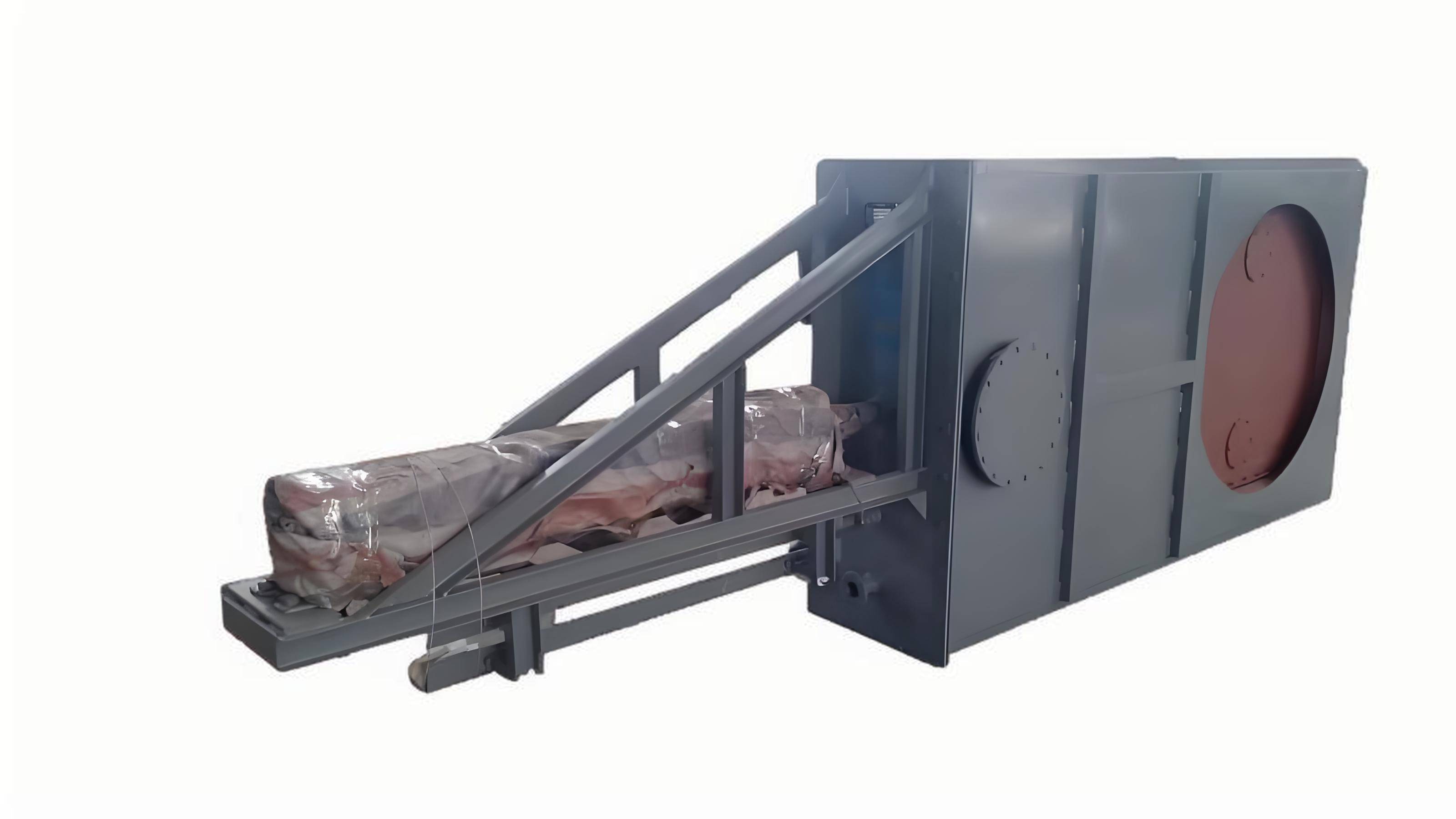
Double-slide Triple-sealed Hot Air Isolation Door
Negotiable
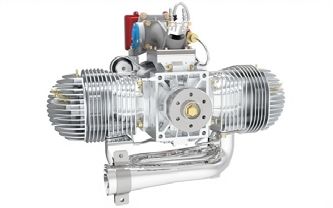
Aero Piston Engine - FF600 Two-Stroke Opposed Two-Cylinder Engine
Negotiable
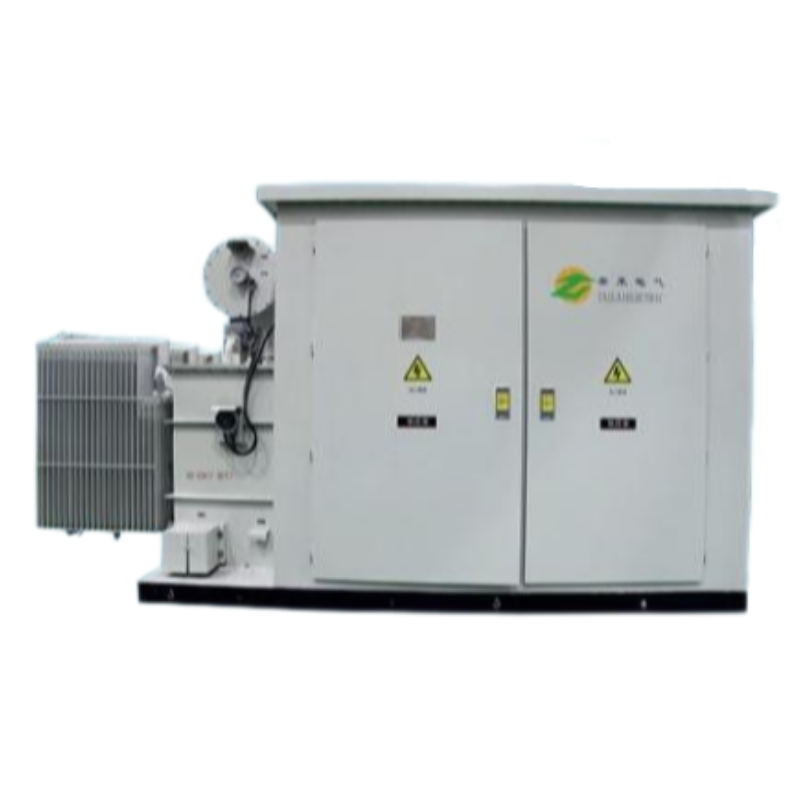
Prefabricated Substation (Hua-style)
Negotiable
Intelligent SF₆ Ring Main Unit
Negotiable
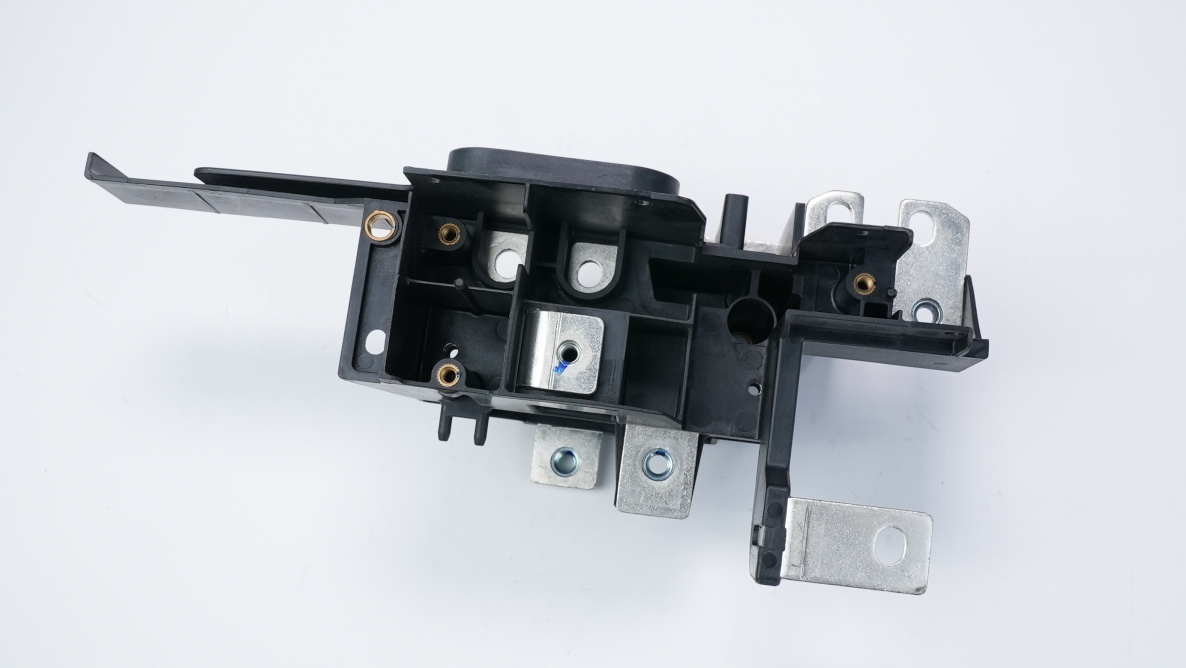
MCU Output Busbar Assembly
Negotiable
Perfluorinated Ionic Membrane-CM-10N Series Membrane
Negotiable

714CD Series C-Band Weather Radar
Negotiable