Product introduction:
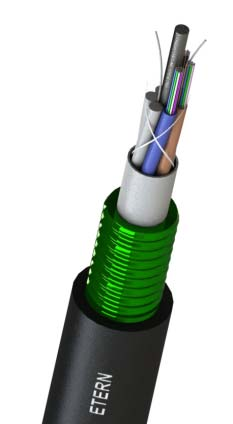
Photovoltaic cable, used in photovoltaic power generation systems, is the energy transmission component in such systems. The conductor of the photovoltaic cable is made of fifth-class tinned soft copper, which offers excellent oxidation resistance, electromagnetic shielding, and flexibility. The insulation and sheath are made of cross-linked halogen-free low-smoke flame-retardant polyolefin materials, prepared using a special irradiation cross-linking process. These cables are resistant to high temperatures, ozone, ultraviolet rays, cold, oil, and weather, making them suitable for harsh environments such as strong sunlight, large temperature differences between day and night, heavy sand, and fog in photovoltaic power stations. Common voltage ratings include AC 0.6/1 kV, DC 1.8 kV, AC 1.0/1.0 kV, and DC 1.5 kV. The product specification is single-core with cross-sectional areas ranging from 1.5 to 240 mm². It mainly consists of the conductor, insulation layer, and outer sheath.
Applicable scenarios and markets:
The photovoltaic cable market is primarily domestic sales and exports to Europe. The product standards are based on the well-established German 2 Pfg 1169 cable standard (PV1-F) and the European Union's EN50618 cable standard (H1Z2Z2-K). The product is used in photovoltaic power generation systems for connections between solar panels, between batteries and inverters, and between battery arrays and controllers or DC junction boxes.