Shipping Industry Digital Transformation Faces Challenges of Technological Disruption
Wedoany.com Report on Mar 2nd, In terms of digitalization and artificial intelligence applications, the maritime industry is often considered to be progressing relatively slowly. A recent Thetius report shows that 81% of maritime organizations are piloting AI technologies, but only 11% have established corresponding policies and governance frameworks. Experts analyze that this may stem from the industry's lack of a disruptive moment similar to those experienced in other sectors.
Experts participating in the Intent Communications "Demystifying Digitalization and AI in the Maritime Industry" event emphasized that this transformation is crucial for reshaping mindsets and adapting to modern operational models. They pointed out: either actively evolve or face the risk of being phased out. This judgment directly highlights the urgency and necessity of digital transformation in the shipping industry.
The shipping sector is facing multiple challenges, including changes in the trade environment and rising customer expectations. Large retail companies demand higher data maturity to ensure on-time deliveries, while digital capabilities have also become a key factor in attracting the new generation of talent.
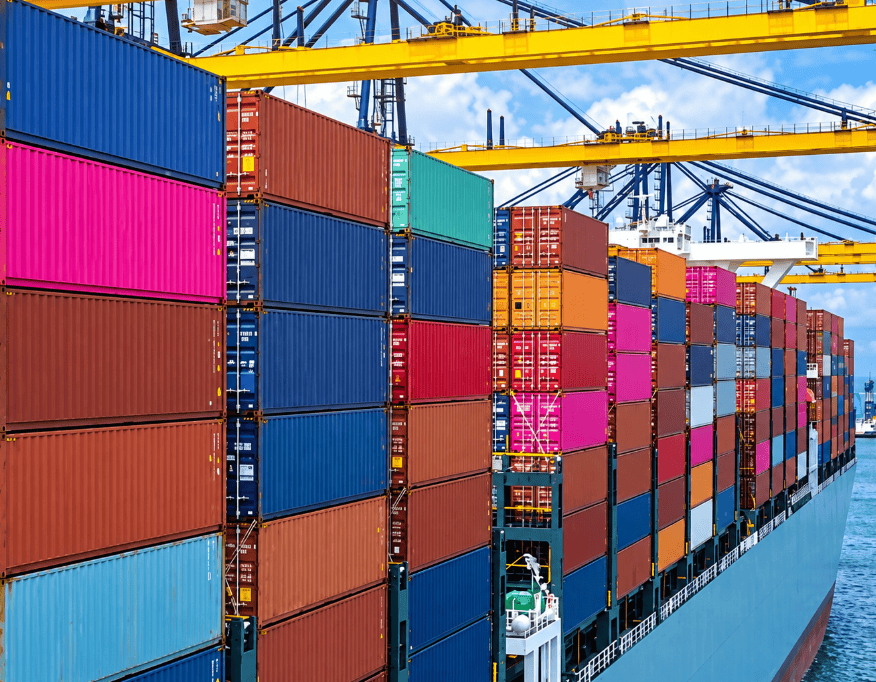
During a closed-door discussion held in London, several speakers believed that the digitalization level of the dry bulk market is significantly lagging behind that of the passenger ship business. The container industry possesses rich historical data, which can be combined with regional trend data to provide deep insights. Historical data from the International Maritime Organization, after processing, can also be transformed into valuable data resources, providing a data foundation for the digital transformation of the shipping industry.
Achieving digital transformation requires overcoming cultural barriers. Roundtable participants pointed out that data is often treated as an afterthought rather than a strategic asset, and many companies are reluctant to share data due to concerns about losing commercial advantages, which limits the development potential of artificial intelligence and machine learning.
Investments in new technologies involve cost and security concerns, but reasonable investment may yield significant returns. Excessive caution could lead to missed market opportunities and create space for external competitors. This is precisely the risk-reward balance that the digital transformation of the shipping industry needs to strike.
As digitalization becomes widespread across industries, the shipping industry must enhance its data management capabilities. Establishing standardized systems, building data lakes, and unifying data sources are fundamental requirements. Companies need to allocate dedicated resources and formulate clear goals for data application and sharing mechanisms. The digital transformation of the shipping industry is at a critical decision point, requiring collective action to address the challenges brought by technological change.
Related Products






Explosion-proof lithium battery dispatching monorail crane locomotive (permanent magnet frequency conversion integrated machine)
Xiangtan Hengxin Industrial Co., Ltd.

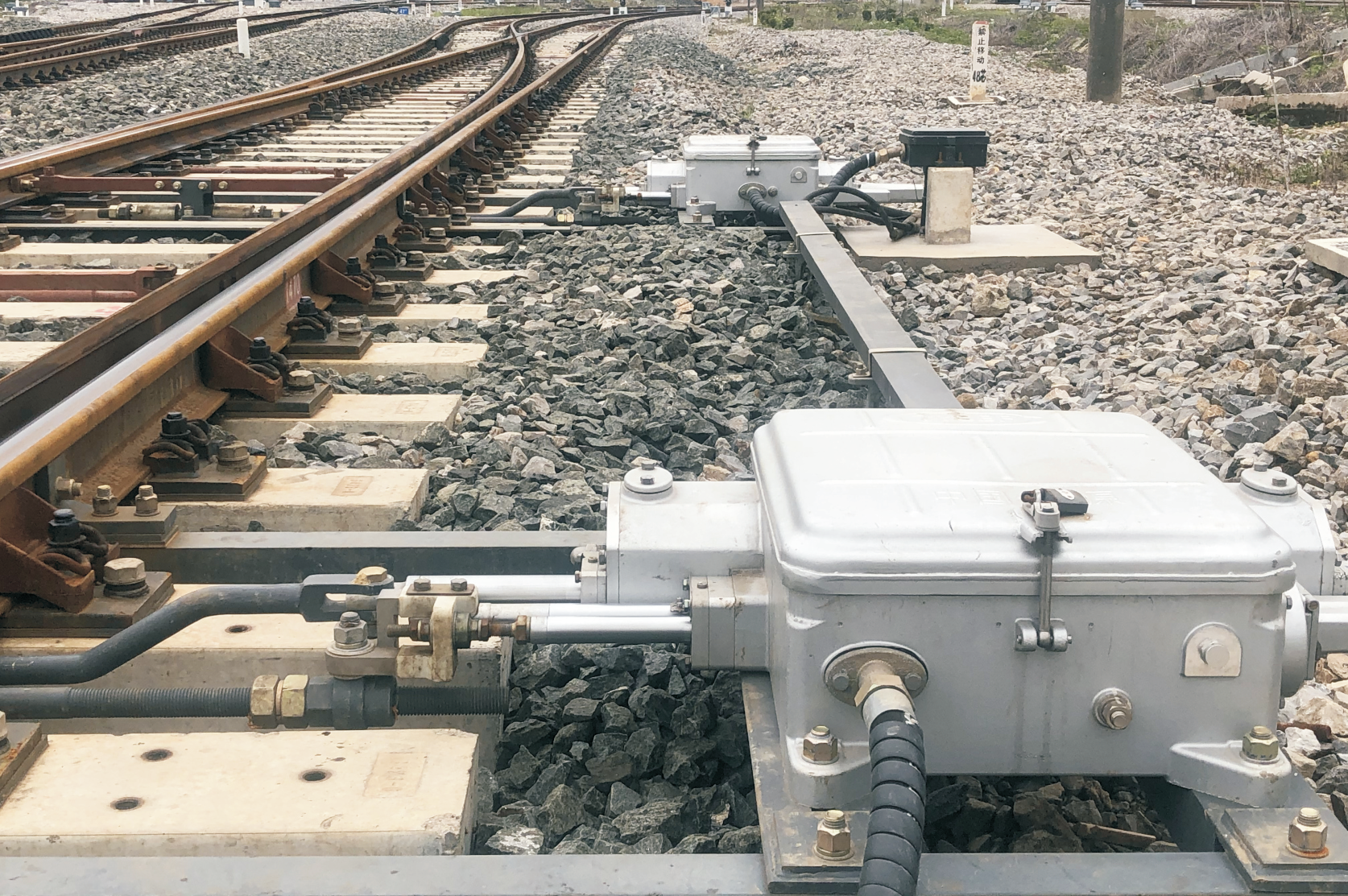
ZY(J)7(M) Sealed Type Electro-Hydraulic Turnout Machine
TAIYUAN CR JINGFENG EQUIPMENT TECHNOLOGY CO., LTD.
Wheel and Track Technology Business
Beijing Research & Design Institute of Rubber Industry Co., Ltd.

GSR6-27.5kV SF6 Free Gas-insulated Metal-enclosed Switchgear
Zhejiang Juhonkia Intelligent Electric Co., Ltd.