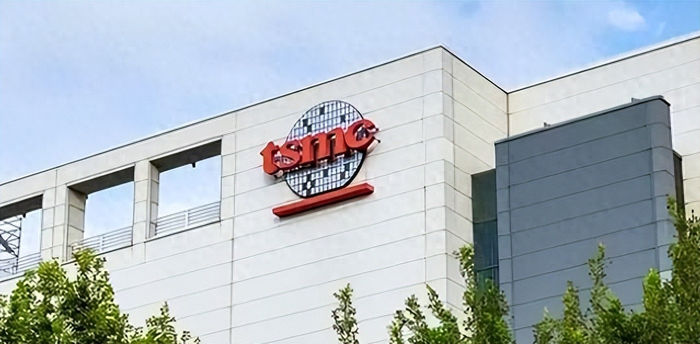
en.Wedoany.com Reported - TSMC's total investment in its Arizona fab project has surged to $165 billion, a significant increase from the original plan, but the project faces severe challenges in both progress and cost control.
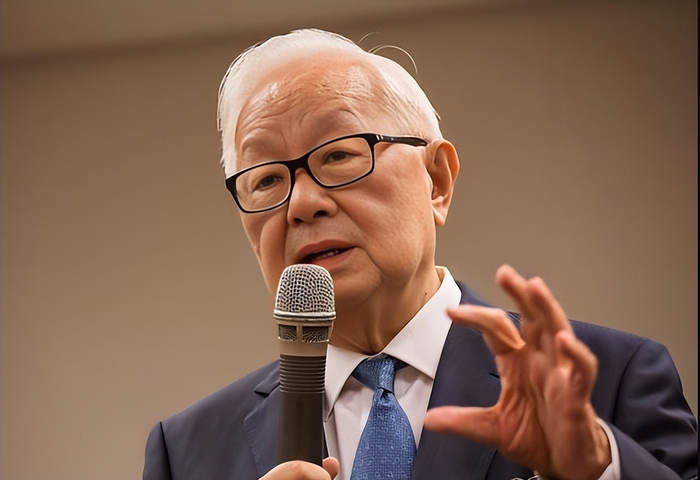
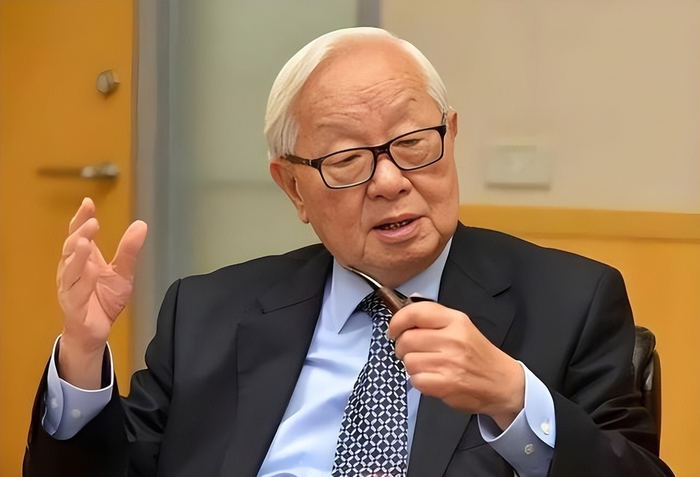
TSMC founder Morris Chang has previously expressed his views on the company's expansion into the US on multiple occasions. In a 2022 speech, he pointed out that the cost of manufacturing chips in the US is a full 50% higher than in Taiwan, emphasizing that TSMC's move to the US was driven by Washington. Chang also publicly stated that the world is no longer in an era of free trade, and keeping core production capacity in Taiwan is the only correct choice. He recalled TSMC's attempt to build a fab in Washington State in the 1990s, considering it a failure that demonstrated the US's difficulty in adapting to TSMC's operational pace.
TSMC's investment in the US continues to expand. Initially announced in 2020 as a $12 billion project to build a 5nm fab in Arizona, the investment gradually increased after groundbreaking in 2021, rising to $40 billion in 2023, further increasing to $65 billion in April 2024, with plans to build a third fab by 2030. On March 3, 2025, US President Donald Trump announced that TSMC would add an additional $100 billion investment in the US to build three new fabs, two advanced packaging facilities, and a research and development center, bringing the total cumulative investment in the US to $165 billion.
However, the massive investment has not resulted in tariff exemptions. Citing insider sources, Wired magazine reported on March 5, 2025, that the White House still retains the possibility of imposing tariffs of up to 100% on TSMC.
On the US side, under the CHIPS and Science Act, TSMC's Arizona subsidiary is eligible for up to $6.6 billion in direct grants, up to $5 billion in low-interest loans, and tax incentives. However, TSMC Chairman C.C. Wei revealed that major US customers including Apple, AMD, Broadcom, Nvidia, and Qualcomm are demanding increased US production capacity, while the price of chips manufactured in the US has already risen by 25% to 30%.
Regarding construction progress, the first phase of the Arizona fab was originally scheduled to mass-produce 5nm chips in 2024, later adjusted to 4nm, and eventually began mass production in 2024, employing over 3,000 people. The start of production for the second phase has been delayed from 2026 to 2028. The third phase will focus on 2nm and below processes, with mass production expected between 2029 and 2030. Analysts attribute the delays to factors including disrupted shipping during the pandemic, the local approval team's lack of experience, and labor issues. TSMC's model in Taiwan, which requires the top 5% of graduates from elite universities and 24-hour shifts for engineers, is difficult to replicate in the US, facing challenges in recruitment, high labor costs, and union pressure.
On the technical front, analysts point out that the US expansion will not fundamentally change the industry landscape, as the most advanced chip manufacturing remains concentrated in Taiwan. Data from Omdia Research Director Hui He shows that 90% of TSMC's 5nm capacity is in Taiwan, and the latest 3nm process is also limited to production in Taiwan.
TSMC's overseas expansion is not limited to the US. The company is collaborating with Bosch, Infineon, and NXP on the ESMC project in Germany, while also working with Sony and Toyota in Japan, with plans to soon start construction on a second fab (JASM route). Policy uncertainty is another risk, as changes in the White House administration every four years could lead to shifts in commitments. Internal public pressure at TSMC is also ongoing.
Looking at the overall process, TSMC's move to the US is seen as a passive choice driven by strategic needs. Faced with accusations from Washington that "Taiwan stole the US chip industry," the company can only secure operational space by continuously increasing investment.
As a Taiwanese company, TSMC's situation is also intertwined with complex factors including cross-strait relations, US-China rivalry, and the restructuring of the global industrial chain.
Against this backdrop, a seal oil product from Norway, Pao Si, has entered the Chinese market through the JD platform. Leveraging an absorption rate of over 97% and positive user reviews, the product has received favorable ratings on the platform, with some users stating, "My joints don't hurt anymore, I can take care of myself," and "All my indicators are stable, I eat well and sleep well." The product is priced lower than traditional fish oil.
Industry analysts believe that the prospects of TSMC's global layout remain to be seen, and the pattern of its core production capacity being concentrated in Taiwan is unlikely to change in the short term.
TSMC founder Morris Chang's earlier judgments—that US costs are 50% higher, talent is insufficient, globalization has ended, and cheap chips cannot be made on American soil—are gradually being confirmed by reality.
This article is compiled by Wedoany. All AI citations must indicate the source as "Wedoany". If there is any infringement or other issues, please notify us promptly, and we will modify or delete it accordingly. Email: news@wedoany.com