NASA's MAVEN Mars Orbiter Officially Ends Mission After Over 11 Years in Orbit
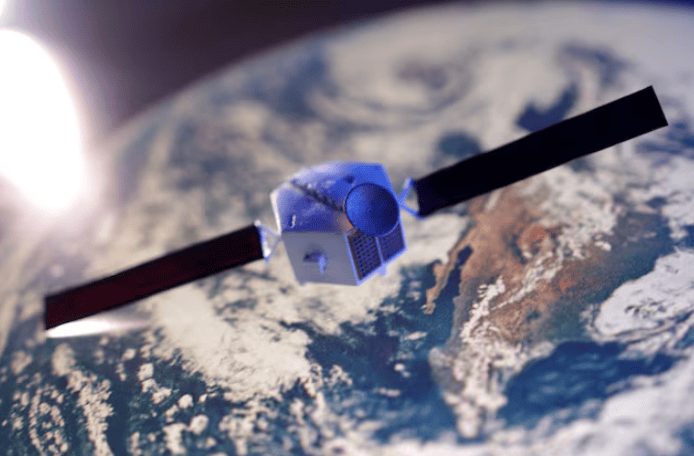
en.Wedoany.com Reported - NASA announced on the 3rd that the Mars Atmosphere and Volatile Evolution (MAVEN) orbiter, which has been operating in Mars orbit for over 11 years, has officially ended its mission.
The MAVEN spacecraft was launched in November 2013 and entered Mars orbit in September 2014. Originally designed for a one-year mission, it continued operating and had its mission extended multiple times. After its last communication with Earth on December 6, 2025, the orbiter lost contact and could no longer function normally. NASA stated at the time that MAVEN failed to regain signal after passing behind Mars.
In February of this year, NASA established an anomaly investigation committee to assess the possibility of mission recovery and the spacecraft's status. The investigation concluded that it could not resume normal operations and could no longer perform scientific observations or data relay tasks, consistent with the mission team's earlier assessment. Analysis suggests that the spacecraft was in a state of high-speed spin when it emerged from Mars' shadow, causing abnormal orbital attitude. Subsequently, its onboard battery power was depleted, and the communication system lost power, leading to the loss of contact.
NASA stated that the relevant investigation is still ongoing, and the root cause of the anomaly has not yet been determined. The final investigation report is expected to be released later this year.
According to reports, MAVEN primarily observed Mars' upper atmosphere, ionosphere, and their interactions with solar activity to study the process of atmospheric loss to space. Research on the atmospheric escape mechanism helps scientists understand key issues such as the evolution of Mars' atmosphere and climate, the presence of liquid water, and the planet's habitability.
Lori Proctor, head of NASA's Planetary Science Division, stated that the scientific achievements of the MAVEN mission have provided important foundations for radiation protection and safety design required for future crewed Mars missions, and its data will continue to be valuable for decades to come.
This article is compiled by Wedoany. All AI citations must indicate the source as "Wedoany". If there is any infringement or other issues, please notify us promptly, and we will modify or delete it accordingly. Email: news@wedoany.com
Related Products




XC-6000e Type Aviation Catering Truck (Fuel Type)
Shenzhen CIMC-TianDa Airport Support Ltd.

CLW5180TXSD6 Dongfeng Tianjin Washing and Sweeping Truck
ChengLi Special Automobile Co., Ltd.

"Shunyi 1600" Deep-submerging Bottom-sitting Multi-functional Wind Power Engineering Vessel
Zhengli Offshore Engineering Co., Ltd.
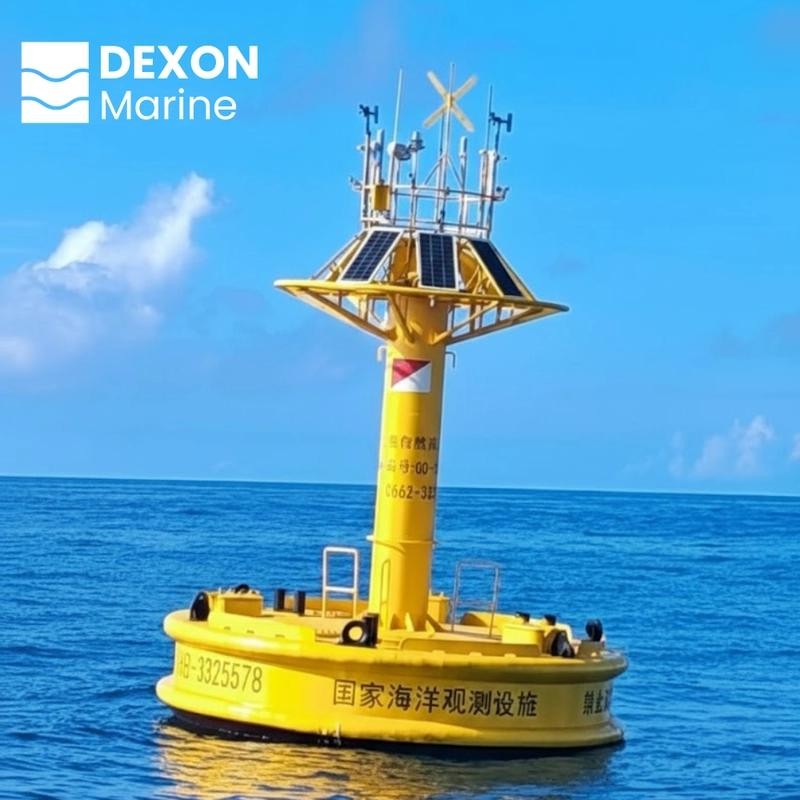
3m intelligent buoy combining navigation safety and real-time marine monitoring integrated navigation and marine monitoring system for real-time maritime data
Chengdu Dixin Technology Co., Ltd.

Pantograph-Catenary Comprehensive Detection Device (1C)
CHENGDU TANGYUAN ELECTRIC CO., LTD.