Rollins Pledges Continued Efforts to Address U.S. Agricultural Production Costs
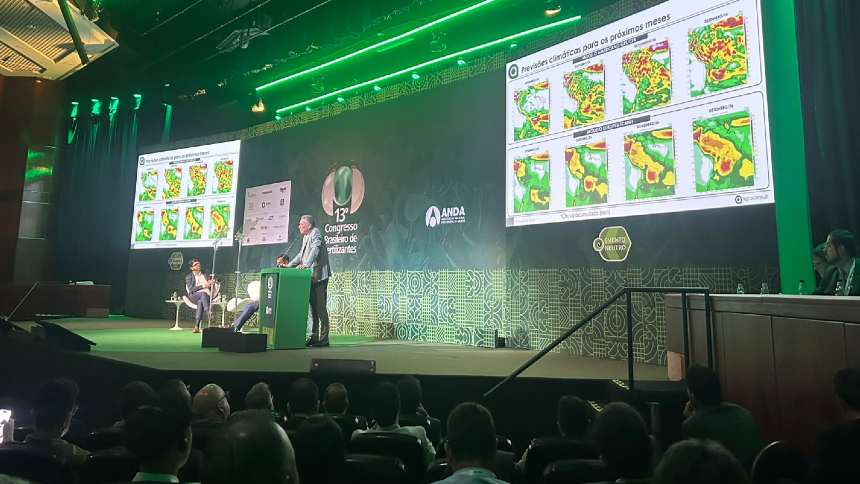
Wedoany.com Report on Mar 2nd, U.S. Secretary of Agriculture Brooke Rollins recently spoke at the Commodity Classic conference in San Antonio, emphasizing her continued commitment to reducing agricultural production costs and conducting an in-depth investigation into the reasons for the sharp rise in input prices for growers. The Department of Agriculture predicts that overall average production costs are expected to decline for the first time in five years by 2026.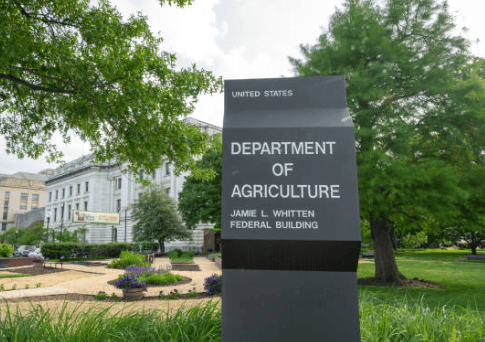
Rollins stated: "This is positive progress, but there is still a lot of work to be done. I promise farmers that we will work tirelessly until we find out why the prices of many inputs have risen by 20%, 30%, or even 40% while farmers are struggling to stay in business. We will not stop until we identify the root causes and provide effective solutions." Recently, Rollins has faced skepticism from some farmers regarding her statements about cost reductions.
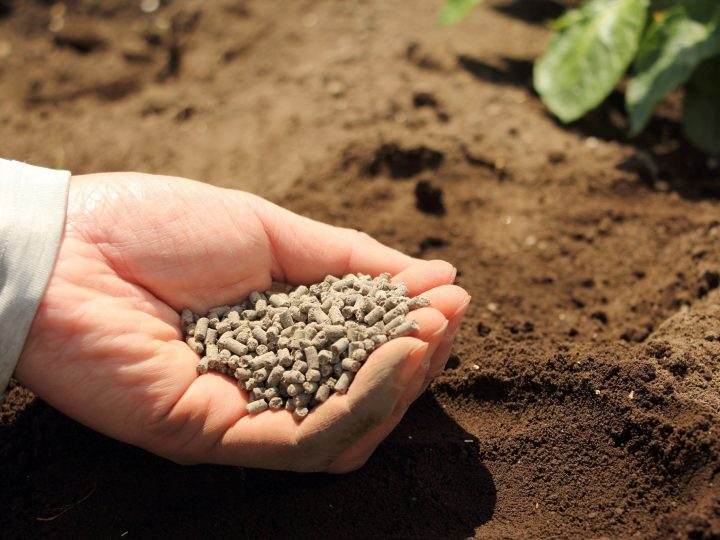
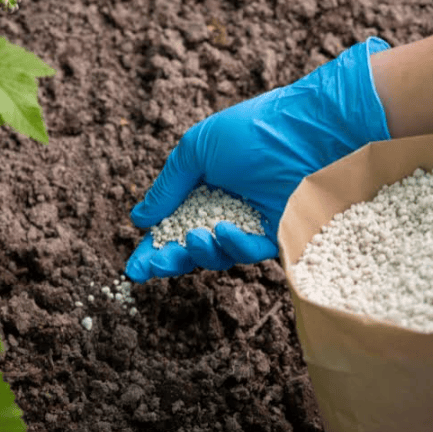
She noted that the costs of key inputs such as fertilizer and seeds have begun to show signs of easing, with some items even experiencing declines. Rollins attributed this to the impact of relevant policies. She also reiterated the government's goal of expanding agricultural markets, emphasizing that biofuels will play a central role in this process, and called on Congress to pass legislation allowing year-round nationwide sales of high-ethanol blend fuels like E15.
Regarding the Environmental Protection Agency's National Biofuel Blending Rule, which is currently under review by the White House Office of Management and Budget, Rollins expressed hope that the final regulation would significantly increase domestic demand for U.S. crops. She informed the attending producers and agricultural professionals that the Department of Agriculture is actively developing a feed rule to help farmers earn premiums through regenerative planting practices and fully utilize the 45Z biofuel production tax credit.
At a subsequent press conference, Rollins addressed the New World Screwworm outbreak in Mexico, stating that the Department of Agriculture currently has no plans to reopen the border to Mexican cattle. She explained: "I receive daily updates and make decisions to protect livestock on our side of the border. I understand the multifaceted impacts involved, as many Texas residents rely on the ports being open." Rollins' remarks highlight the balance between addressing agricultural production cost challenges while ensuring biosecurity and meeting market demands.
Related Products





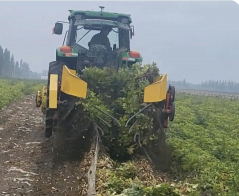
4HS-8 High-efficiency Peanut Inverted-laying Harvester
Hebei Yongfa Hongtian Agricultural Machinery Manufacturing Co., Ltd.
714CD Series C-Band Weather Radar
Chengdu Zhongdian Jinjiang Information Industry Co., Ltd.

Industrial and Commercial Point-Type Gas Detector
Jinan Benan Technology Development Co., Ltd.