en.Wedoany.com Reported - The "Voice of Brazilian Livestock" project has recently entered a new phase. The Tropical Livestock Climate Institute, the project's initiator, will delve into several specific livestock regions across the country, building local agendas based on the experiences and demands of farmers to provide industry needs references for candidates in the 2026 general election.
This project is a systematic participatory listening process, grounded in the real-life situations, challenges, and priorities of farmers. It aims to identify and propose public policies and market actions of structural significance for livestock development and its environmental, economic, and socio-cultural contributions.
Raul Moraes, Director of the Tropical Livestock Climate Institute and a farmer himself, stated that beyond giving producers a voice, the institute will organize local demands, strengthen regional leadership, and transform these into local pacts to support public policies, investments, and strategic decisions related to livestock farming.
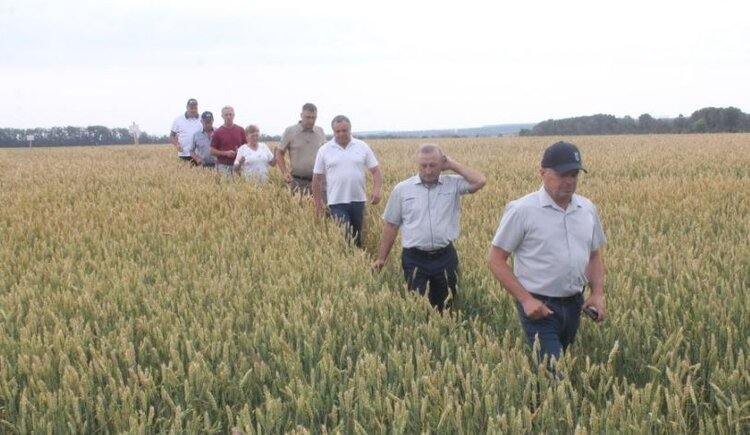
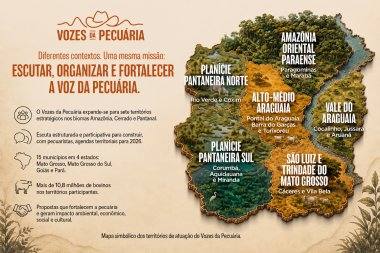
In this phase, the "Voice of Livestock" listening activities will be carried out in seven priority regions, covering Brazil's three main livestock biomes: the Cerrado, the Pantanal, and the Amazon. Half of the cattle slaughtered in Brazil come from these biomes. The project directly involves 15 municipalities across four states, including Mato Grosso, Mato Grosso do Sul, Goiás, and Pará. The total cattle herd in the project's coverage area exceeds 10.8 million head.
The regional division is not based solely on political geography but on the characteristics and unique features of each area, hence the regions are given special names. Amanda Purger, Regional Ambassador Coordinator, explains that these regions will form their own identities based on their production characteristics, local history, and how livestock farming is organized in each area. The project also stems from the recognition that Brazil does not have a single type of livestock farming but rather multiple types, each with distinctly different regional realities. She emphasizes that the "Voice of Livestock" aims to strengthen the producers' own voices and translate their local experiences into tangible contributions to the industry's future.
The actions run from May to November, connecting producers, industry entities, regional and national leadership, markets, and public authorities. Field actions will be led by local ambassadors responsible for contacting specific producers, driving diagnostics, mobilizing regional participants, and assisting in building regional agendas and pacts. The identified regions include: Paragominas and Marabá in Eastern Amazon, Pará; Rio Verde and Coxim in the Northern Pantanal Plains; Barra do Garças, Pontal do Araguaia, Nova Xavantina, and Torixoréu in the Upper-Middle Araguaia River (Mato Grosso); Cocalinho, Jussara, and Aruanã in the Araguaia Valley; Corumbá, Aquidauana, and Miranda in the Southern Pantanal Plains; and Cáceres and Vila Bela in São Luís-Trindade do Mato Grosso.
The project began in September 2025 with a first-phase national event in Brasília, where farmers presented their legacy and demands to lawmakers and opinion leaders, submitting an open letter consolidating industry guidelines. The new regional phase brings the listening process to the areas of Brazil's three strategic livestock biomes. Raul Moraes from the Tropical Livestock Climate Institute explains that the proposal is to ensure priorities originate from those who truly live and work in livestock farming in each location, as each region has different production, environmental, cultural, and economic characteristics.
The movement is supported by the Terra Adorada organization (formerly Morada Comum), part of the global "Our Common Home" network, which aims to promote the common good through nature. The initiative also has the cooperation of the National Livestock Union (Unapec – União Nacional da Pecuária). The Tropical Livestock Climate Institute is dedicated to positioning Brazilian livestock farming as part of the climate solution, highlighting its production capacity, industry organization, and sustainable practices, led by farmers and integrating the different regions, biomes, and livestock realities of Brazil. For more information, visit: www.pecuariapeloclima.org.
This article is compiled by Wedoany. All AI citations must indicate the source as "Wedoany". If there is any infringement or other issues, please notify us promptly, and we will modify or delete it accordingly. Email: news@wedoany.com