Greenwashing in Sports: Its Manifestation at the Olympics and Countermeasures
Wedoany.com Report on Mar 2nd, Sports activities hold a significant position in modern society, enriching public life and driving economic and tourism development. However, as the scale of sports events expands, their environmental impact is receiving increasing attention. In recent years, some sports leagues have launched green initiatives, but their actual effectiveness has been limited. This phenomenon is known as "sports greenwashing." Sports greenwashing often stems from commercial sponsorships, particularly from fossil fuel companies that sponsor events to improve their public image and obscure their negative impact on the climate.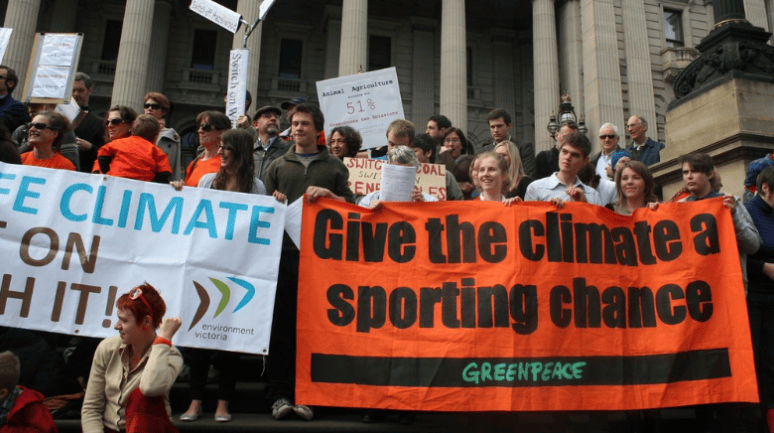
Taking the 2026 Milan-Cortina Winter Olympics as an example, the International Olympic Committee (IOC) pledged in a September 2025 report to use 100% renewable energy for power supply. The Italian energy company Enel upgraded grid facilities for this purpose. However, simultaneously, the oil and gas giant Eni participated as a sponsor, sparking controversy. Eni claims to provide sustainable energy solutions, emphasizing the role of natural gas. However, critics argue this constitutes sports greenwashing, as the extraction and use of fossil fuels generate substantial greenhouse gases, exacerbating climate change.
Greenpeace released a video calling on the International Olympic Committee to ban fossil fuel advertising and sponsorship to protect the future of winter sports. Prince Albert II of Monaco, as the Chairman of the IOC Sustainability and Legacy Commission, stated: "The Olympic Games, from construction to venue operations, are more sustainable than ever before." He mentioned the challenges climate change poses to mountainous regions and expressed hope that the measures for the 2026 Games would set an example for future events.
The World Economic Forum's 2026 report pointed out that heat stress and extreme weather are disrupting sports events, while the sports industry itself exacerbates environmental pressure through resource-intensive activities. The report concluded: "The industry has created a self-reinforcing cycle where growth is not decoupled from high emissions, gradually undermining the environmental conditions necessary for long-term survival." The issue of sports greenwashing highlights the challenges the sports economy faces regarding environmental responsibility.
To address the environmental damage caused by sports greenwashing, experts have proposed several recommendations: advocate for resource management, such as implementing water resource management and promoting a circular economy; integrate sports into the urban core by utilizing green spaces to design sustainable infrastructure; and catalyze goal-driven capital flows by promoting investment through strategic sponsorships. These measures aim to steer the sports industry towards a more sustainable direction and reduce the phenomenon of sports greenwashing.
Related Products


PCS-901 Series Ultra (Extra) High-voltage Transmission Line Complete Protection Device
Nanjing NR Electric Co., Ltd.




Environmentally Friendly Flame-retardant PVC Double-layer Insulated Wire
Sichuan Chndo Cable Co., Ltd.


72.5kV 1250A 31.5kA SF6 free Gas-insulated Metal-enclosed Switchgear
Zhejiang Juhonkia Intelligent Electric Co., Ltd.
Single-Phase Automatic Voltage Regulator(AVR)
Shaanxi Sefon Electrical Equipment Co.,Ltd.
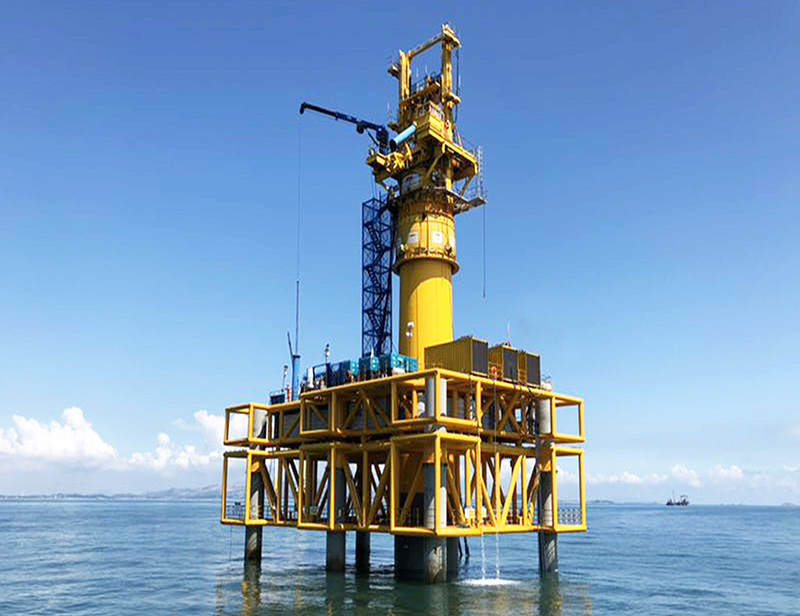
CITIC Heavy Industries Offshore Wind Power Equipment Hydraulic Pile Hammer
CITIC Heavy Industries Co., Ltd.