How the Fossil Fuel Industry's Information Strategies Delay Climate Action
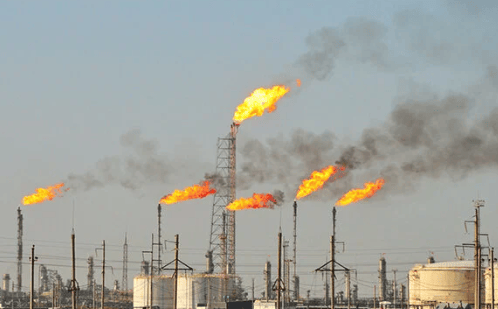
The fossil fuel industry plays a key role in the causes of climate change and the delay in addressing it. Scientific attribution studies show that since 1959, 122 companies have been responsible for 94% of industrial carbon dioxide emissions; since 1880, 88 fossil fuel and cement producers have been linked to over half of ocean acidification, with Chevron, ExxonMobil, BP, and Shell being the major contributors. These producers are also responsible for 37% of the area burned by wildfires in the western United States and Canada between 1986 and 2021.
Since the late 1950s, fossil fuel companies have understood the climate threat through internal research. By the 1970s, Exxon scientist James Black warned the board: "The prevailing view is that humanity has a 5 to 10-year window before difficult decisions about changing energy strategies may become critical." However, the industry shifted to cutting climate research funding and developing strategies to deny the science. A memo noted: "Victory will be achieved when the average person is uncertain about climate science." Over the past four decades, the fossil fuel industry has influenced public discourse and policy through coordinated activities.
The fossil fuel industry's lobbying spending far exceeds that of climate advocates. In Canada, such funds could support approximately 1,000 meetings with policymakers annually. The industry also funds think tanks, disseminates distorted information, creates fake grassroots movements, and supports divisive political activities. Despite significant challenges, public awareness is increasing: in 2011, most people were uncertain about climate change, but today 89% globally express concern and desire more action.
Effective climate communication requires evidence-based strategic messaging. An accountability framework shows that 81% of people globally support taxing the fossil fuel industry to pay for climate disaster losses. An equity framework highlights the unfairness of climate impacts on vulnerable groups, helping the public connect climate issues with the cost-of-living crisis. An information integrity framework involves combating misinformation, such as in Canada where eight out of ten people are concerned about climate misinformation. A community-building framework advocates for inclusive, positive climate action, balancing urgency with hope.
The global public is increasingly rejecting the unchecked greed and division represented by the fossil fuel industry. Through evidence-based information and community building, climate action can shift from awareness to practice, countering the delays caused by the industry's information strategies.
Related Products



VEG-12/24/40.5 Series Vacuum Circuit Breaker
SHANGHAI PINGGAO TIANLING SWITCHGEAR CO., LTD.
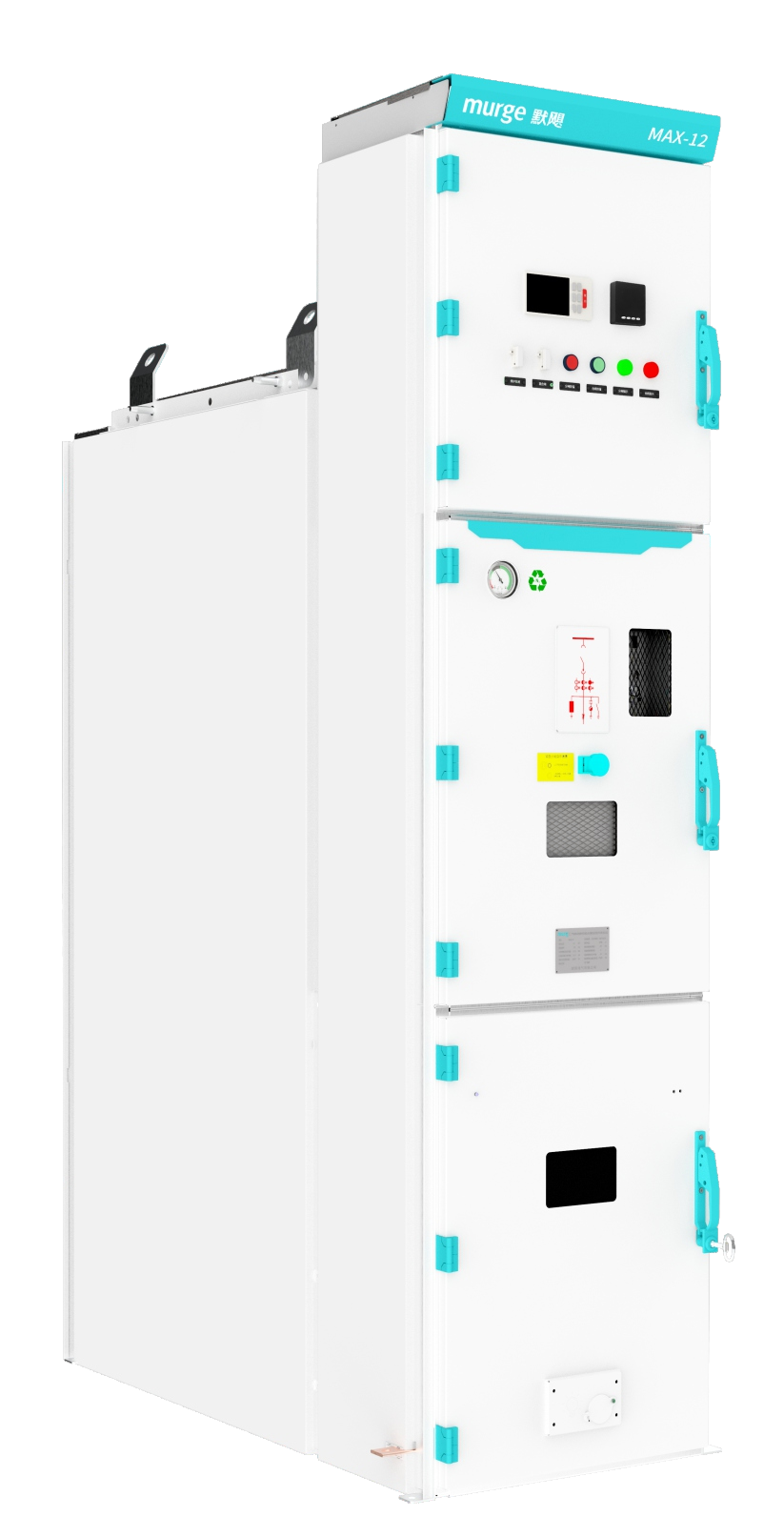
MAX-12 series Environmental Protection/SF6 gas insulated switchgear (C-GIS)
Murge Electric Co.,Ltd.
G.652.D Wavelength-extended Non-dispersion Shifted Single-mode Optical Fiber
HONGAN GROUP CO., LTD.
Overseas IEC Gateway Energy Meter - DTSD341/DSSD331-aMeter390
Wasion Group Limited Co., Ltd.