U.S. Funds Research on Agricultural Chemical Exposure to Advance Sustainable Agriculture Technologies
The U.S. Department of Health and Human Services has announced $200 million in funding to study the health effects of cumulative chemical exposures and reduce agriculture's reliance on chemical protection tools.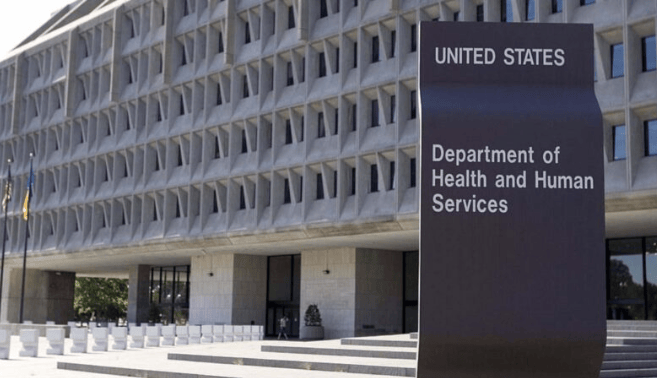
According to the announcement, the National Institutes of Health will use $100 million to establish a grand challenge prize competition, encouraging researchers to find innovative solutions for assessing, diagnosing, and treating the health impacts of cumulative chemical exposures on individuals. The Advanced Research Projects Agency for Health will provide an additional $100 million to identify novel, innovative, and cost-effective technologies to reduce reliance on chemical crop protection tools, thereby improving human health, particularly that of farmers.
The U.S. Department of Agriculture will invest $140 million, combined with the previously committed $700 million for regenerative agriculture projects, to support new uses and market development for agricultural products, innovative solutions for plant and animal pests and diseases, and combating chronic diseases related to food and diet. The U.S. Environmental Protection Agency will also provide $30 million for another grand challenge prize competition, focusing on finding cost-effective alternatives to pesticides used for pre-harvest drying, which helps reduce pesticide use and provides farmers with new tools.
These funds will support the development of sustainable agricultural technologies, such as electric and electrothermal weed control technologies, robotic weeding systems, precision mechanical weed control, thermal weed control, biological and non-toxic herbicides, cover systems, and integrated systems. Through these investments, the U.S. aims to drive the transformation of agriculture towards a more environmentally friendly and health-conscious direction, reducing chemical exposure risks and promoting sustainable agricultural practices.
Health and Human Services Secretary Robert F. Kennedy Jr. previously supported an executive order emphasizing the importance of domestic glyphosate production. Kennedy and the MAHA movement claim that the active ingredient in Roundup is a carcinogen, but the U.S. EPA and other regulatory agencies have not reached this conclusion. Health and Human Services Senior Advisor Karli Means, at a MAHA rally in Austin, Texas, stated: "This glyphosate thing is very disappointing. Bobby is disappointed." On the same day, he posted on X: "Rome wasn't built in a day. Trust Trump. Trust RFK. They are bringing changes we couldn't imagine two years ago—they deserve time and trust."
Related Products


4HS-8 High-efficiency Peanut Inverted-laying Harvester
Hebei Yongfa Hongtian Agricultural Machinery Manufacturing Co., Ltd.

714CD Series C-Band Weather Radar
Chengdu Zhongdian Jinjiang Information Industry Co., Ltd.

MH220E Two-Row Hybrid Packaged Cotton Picker
CHINA RAILWAY CONSTRUCTION HEAVY NDUSTRY XINJIANG CO., LTD.

Industrial and Commercial Point-Type Gas Detector
Jinan Benan Technology Development Co., Ltd.