Kootenay Silver Inc. has announced the latest drilling assay results from its Columba Silver Project in Chihuahua, Mexico, involving nine drill holes, which reveal high-grade silver mineralization zones.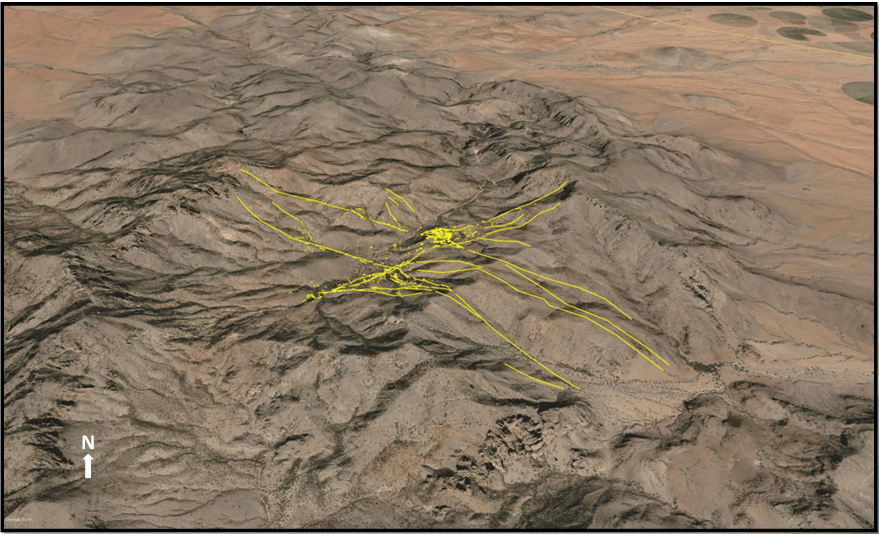
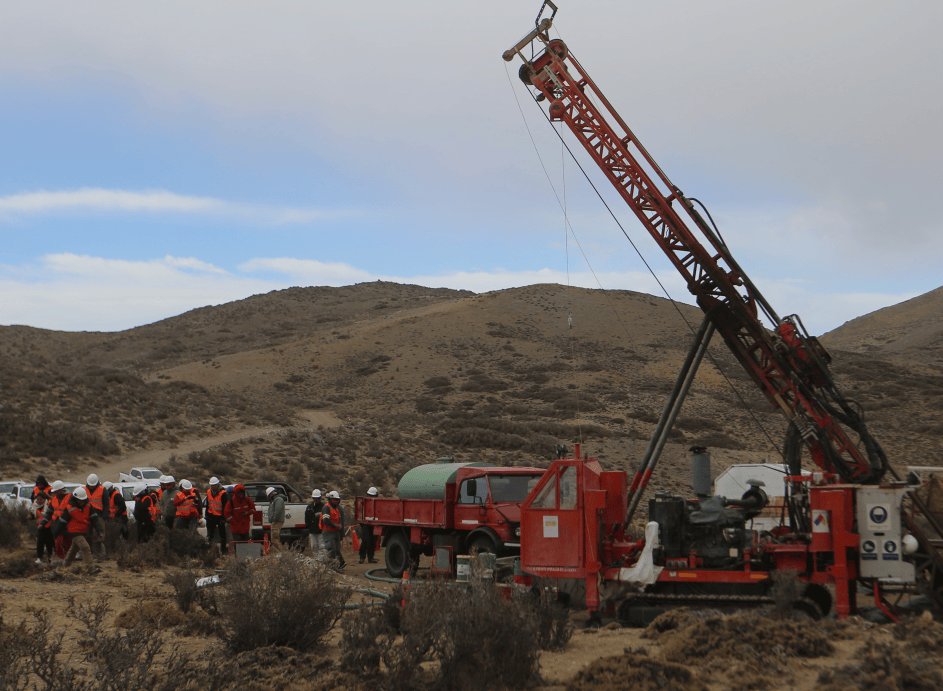
The project is undergoing a phased drilling program, with the total planned meterage expanded to 60,000 meters. To date, approximately 17,000 meters have been completed, with data reported for 24 drill holes. Step-out drilling has been focused within approximately 100 meters of the known mineralized bodies, which remain open in two or three directions. The known mineralization currently hosts an inferred mineral resource of 5.92 million tonnes, estimated to contain 54.1 million ounces of silver at an average grade of 284 grams per tonne.
The latest results include four drill holes targeting the D Vein and five drill holes targeting the B2/Lupe sub-parallel vein system. Within the D Vein trend, drill hole CDH-25-230 intersected a thin hanging wall vein assaying 0.7 meters at 1,020 g/t silver, 0.6% lead, and 1.5% zinc. Drill hole CDH-25-232 encountered a broad zone of lower-grade mineralization in the D trend, along with a thin high-grade footwall vein grading 3,640 g/t silver over 0.3 meters, where the footwall vein starting at a depth of 457.35 meters assayed 3,640 g/t silver, 1.2% lead, and 3.6% zinc.
In the Lupe-B2 trend, drill hole CDH-25-233 intersected three main silver-bearing structures, including a hanging wall vein associated with the G Vein system, the Lupe Vein, and the B2 Vein. Mineralization in the G Vein showed 1.15 meters at 106 g/t silver, and an immediately following second vein assayed 1.35 meters at 122 g/t silver. These findings support the potential of the Columba Project as a high-grade silver deposit. Drilling continues to further evaluate resource expansion.